Cerebral Palsy
Helping children reach their fullest potential through expert, compassionate rehabilitation
Why Mary Free Bed Kids?
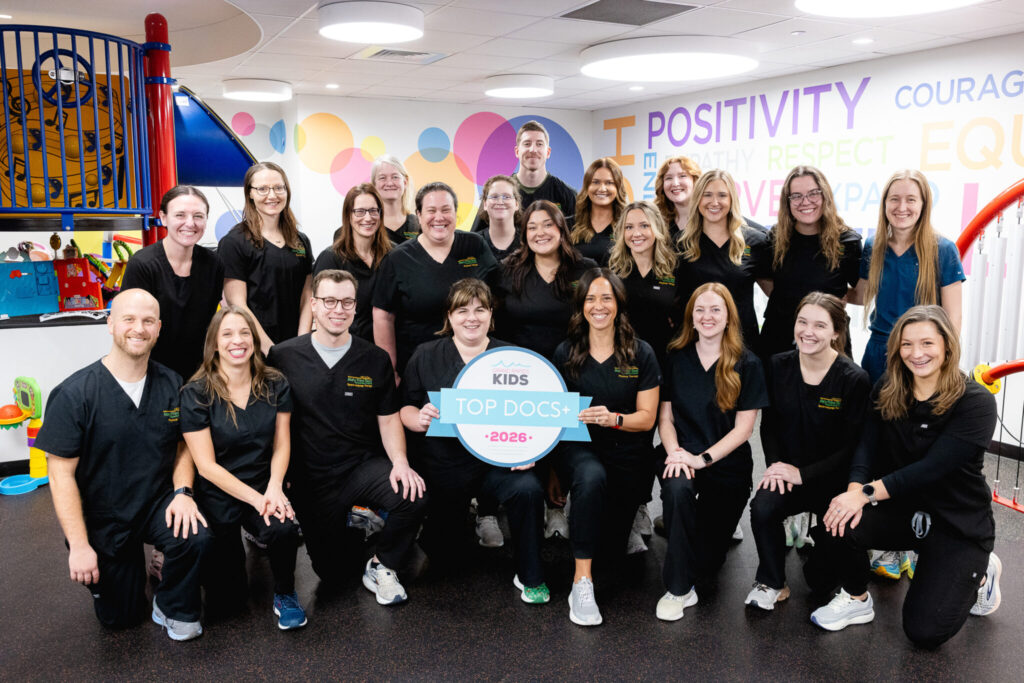
As a CARF-Accredited Pediatric Inpatient Rehabilitation Program, we provide expert, family-centered care designed to support the best possible recovery outcomes. Rehabilitation is essential for children with cerebral palsy, and research consistently shows that beginning specialized care early can significantly improve a child’s progress.
Our accredited programs, seasoned clinical teams, and compassionate approach ensure that children and families receive the highest standard of support throughout their rehabilitation journey.


Mary Free Bed Rehabilitation Hospital holds a number of special accreditations from the Commission on Accreditation of Rehabilitation Facilities International (CARF). This voluntary but rigorous accreditation process is based on specific and comprehensive standards ensuring the highest-quality rehabilitation.
CARF is an independent organization dedicated to providing reliable information to help patients and families make informed health care decisions. Consumers and medical professionals collaborate to develop the leading-edge standards by which providers are measured.
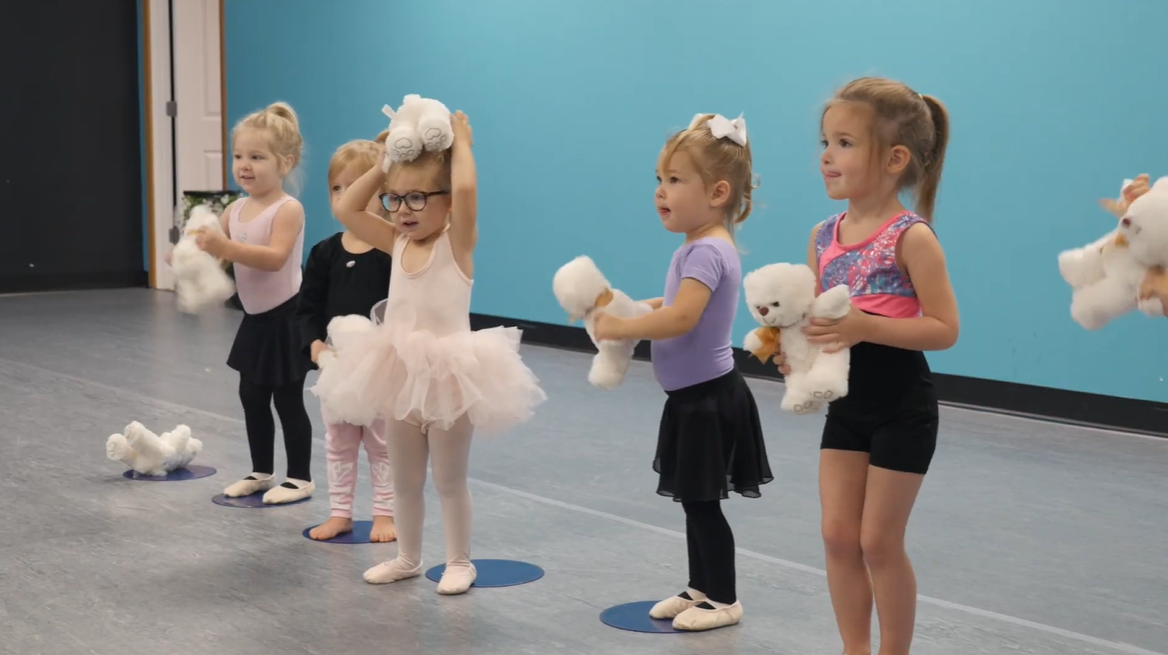
Mary Free Bed outpatient pediatric rehabilitation en pointe for little ballerina with cerebral palsy
What is Cerebral Palsy?
Cerebral palsy (CP) is the most common movement disability in children. It describes a group of disorders that affect movement, posture and balance due to a brain injury or atypical brain development. Depending on the type and severity, CP can impact one or both sides of the body and may involve the legs, arms or both. In addition to mobility challenges, cerebral palsy can sometimes affect vision, hearing, speech, cognitive function, and result in seizures. Every child’s experience is unique. At Mary Free Bed Kids, we focus on building an individualized care plan to support your child’s physical development, confidence and independence.
Causes of Cerebral Palsy
Cerebral palsy results from an injury to a developing brain or abnormal brain development before, during or shortly after birth. The injury itself doesn’t progress over time—but its effects may change as your child grows.
Possible causes include:
- Complications during pregnancy or birth that affect oxygen flow to the brain
- Premature birth or low birth weight
- Infections during pregnancy
- Genetic mutations or brain malformations
- Head injuries, meningitis or stroke during early infancy
At Mary Free Bed Kids, our specialists help families understand not only what caused their child’s cerebral palsy, but how to best maximize a child’s abilities as they grow and develop.
Cerebral Palsy Symptoms
Cerebral palsy affects each child differently, but common symptoms may include:
- Muscle over activity (hypertonicity or spasticity) or uncontrolled movements
- Poor balance and coordination
- Delays in attaining motor milestones such as rolling, sitting, crawling or walking
- Weakness of muscles on one or both sides of the body
- Difficulty with oral motor skills, including speech and feeding
- Difficulty with fine motor tasks
- Vision problems
Types of Cerebral Palsy
There are several types of cerebral palsy, based on how and where the brain injury affects movement:
- Spastic CP: The most common type, causing overactive muscles and atypical movement patterns.
- Dyskinetic or dystonic CP: Characterized by involuntary, fluctuating muscle tone that can make movements unpredictable.
- Ataxic CP: Affects coordination and balance, often resulting in shaky or unsteady movements.
- Mixed CP: A combination of two or more types of cerebral palsy symptoms.
Understanding your child’s specific type helps guide therapy goals and long-term outcomes.
Cerebral Palsy Treatment at Mary Free Bed Kids
Our pediatric physiatrists—physicians who specialize in physical medicine and rehabilitation—lead a multidisciplinary team focused on improving function and quality of life for children with cerebral palsy.
Treatment goals often include:
- Enhancing movement and muscle control
- Reducing spasticity or dystonia
- Promoting progress in daily activities like sitting, walking, dressing, bathing and eating
- Encouraging participation in play, school and community activities
Comprehensive, Individualized Care
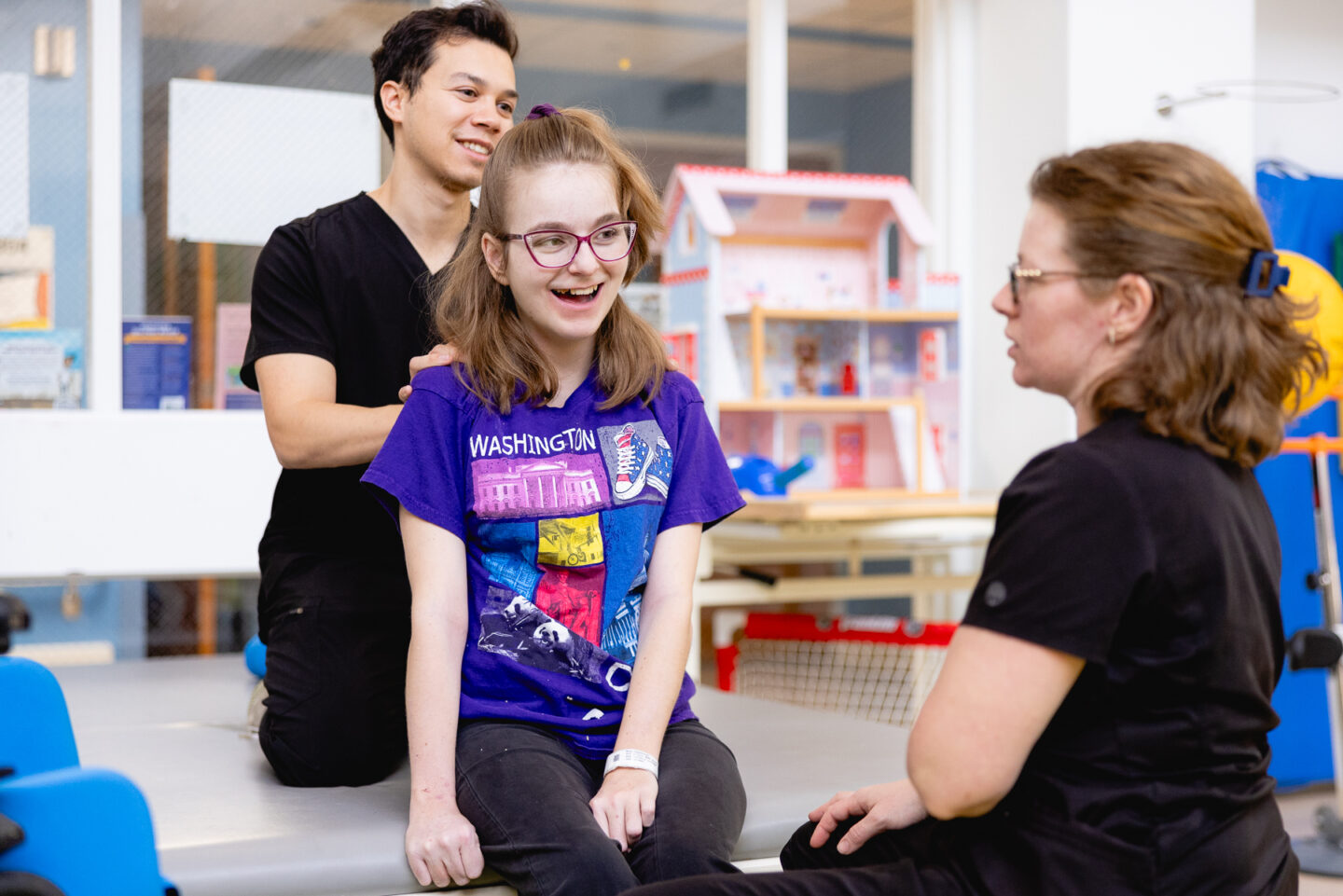
Every child’s treatment plan is unique, combining medical care, therapy, and education for the entire family. Our evidence-based recommendations may include:
- Physical, occupational and speech therapy to improve strength, coordination, and communication
- Orthotics (braces) and adaptive equipment (walkers, wheelchairs, etc.) to support mobility and function
- Medication management for spasticity such as oral medications
- Injectable options such as botulinum toxins (eg. Botox) and phenol or ethanol nerve blocks to reduce spasticity in specific muscles
- In complex spasticity, dystonia and orthopedic situations, patients may be referred to the Advanced Management of Pediatric Spasticity (AMPS) program which provides a comprehensive assessment including video. This evaluation will then be reviewed together by providers from Mary Free Bed and Helen DeVos Children’s Hospital including Pediatric Neurosurgery, Orthopedics, Neurology, Physiatry and Physical Therapy to arrive at recommendations for spasticity and joint contracture management. Recommendations may include:
- Injections or medications
- Selective dorsal or ventral dorsal rhizotomy
- Intrathecal baclofen pump
- Multilevel orthopedic surgery (SEMLS)
We also provide education for families about cerebral palsy and associated conditions like hip dysplasia, joint contractures or scoliosis, helping you advocate confidently for your child’s care.
Pediatric Therapy and Rehabilitation
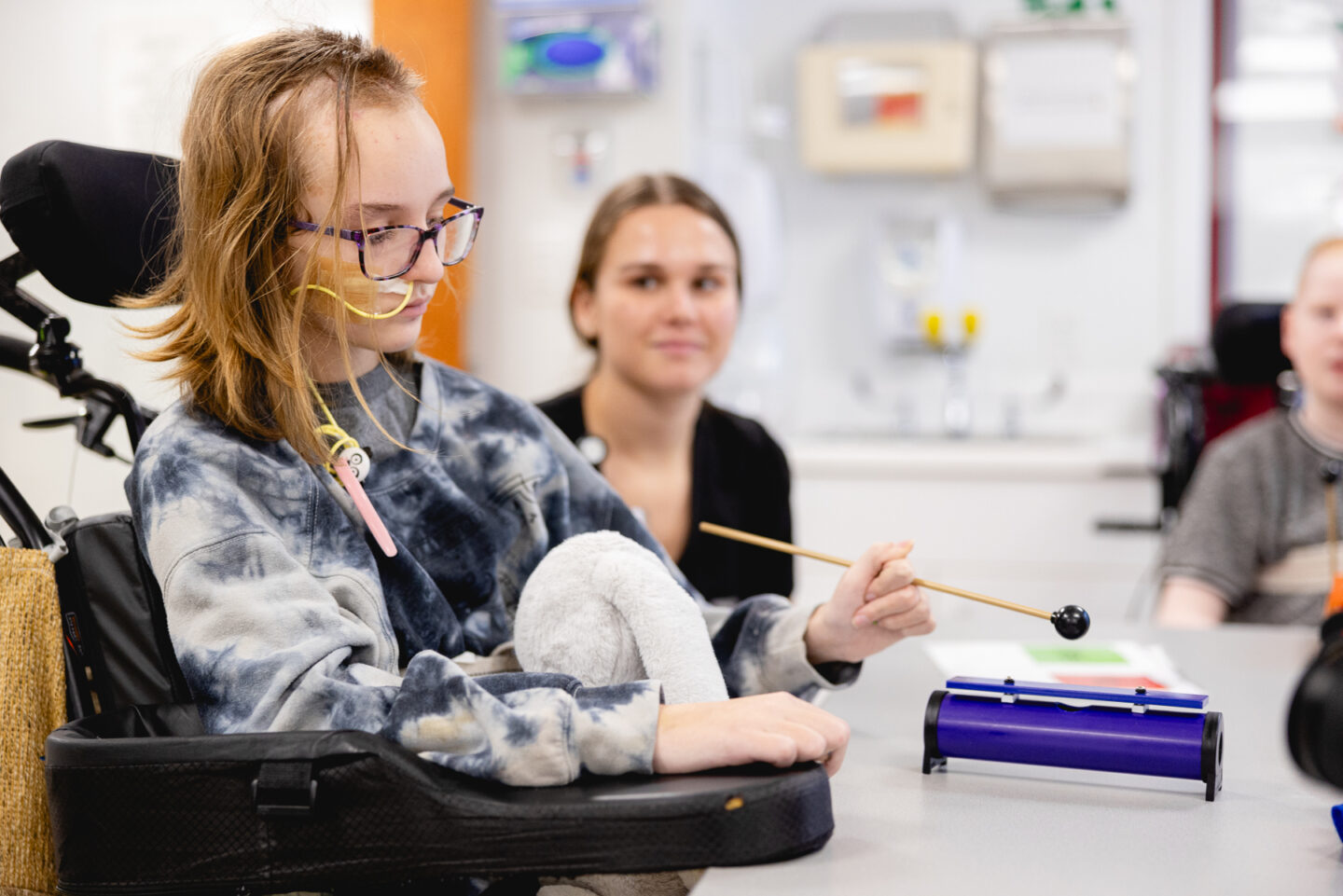
At Mary Free Bed Kids, therapy is designed to be both effective and fun—motivating children to move, play and learn new skills in a supportive environment.
- Physical therapy focuses on improving gross motor skills such as crawling, walking, climbing stairs and other high-level motor skills like running and jumping.
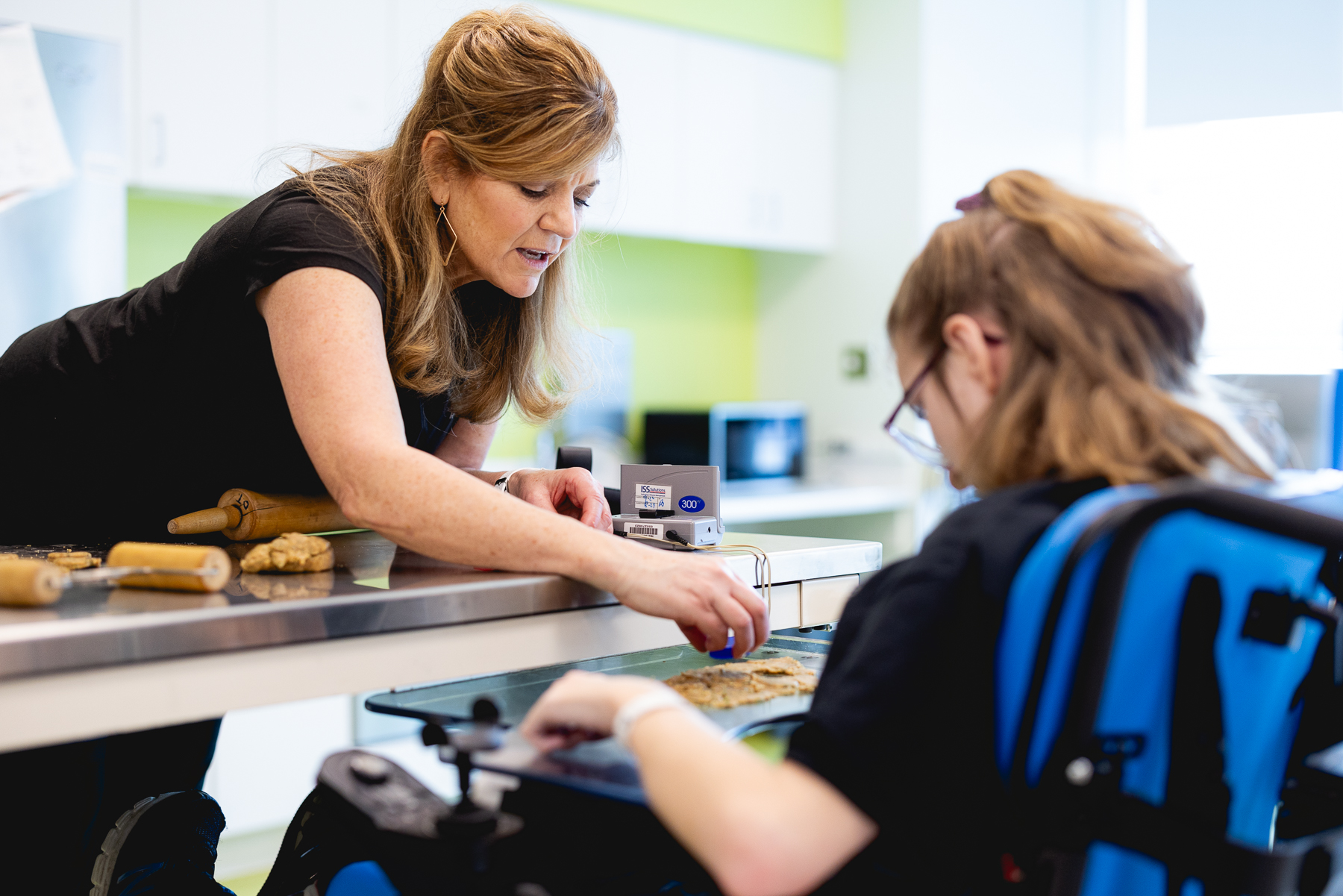
- Occupational therapy helps children build fine motor skills and independence in daily life activities like dressing, feeding and play.
- Speech-language therapy addresses speech, swallowing and communication challenges to help kids express themselves clearly.
- Orthotics & mobility equipment provide the right support for posture, comfort and safe movement as children grow.
Pediatric Therapy and Rehabilitation
At Mary Free Bed Kids, therapy is designed to be both effective and fun—motivating children to move, play and learn new skills in a supportive environment.
- Physical therapy focuses on improving gross motor skills such as crawling, walking, climbing stairs and other high-level motor skills like running and jumping.
- Occupational therapy helps children build fine motor skills and independence in daily life activities like dressing, feeding and play.
- Speech-language therapy addresses speech, swallowing and communication challenges to help kids express themselves clearly.
- Orthotics & mobility equipment provide the right support for posture, comfort and safe movement as children grow.
Pediatric Therapy and Rehabilitation
At Mary Free Bed Kids, therapy is designed to be both effective and fun—motivating children to move, play and learn new skills in a supportive environment.
- Physical therapy focuses on improving gross motor skills such as crawling, walking, climbing stairs and other high-level motor skills like running and jumping.
- Occupational therapy helps children build fine motor skills and independence in daily life activities like dressing, feeding and play.
- Speech-language therapy addresses speech, swallowing and communication challenges to help kids express themselves clearly.
- Orthotics & mobility equipment provide the right support for posture, comfort and safe movement as children grow.
Pediatric Therapy and Rehabilitation
At Mary Free Bed Kids, therapy is designed to be both effective and fun—motivating children to move, play and learn new skills in a supportive environment.
- Physical therapy focuses on improving gross motor skills such as crawling, walking, climbing stairs and other high-level motor skills like running and jumping.
- Occupational therapy helps children build fine motor skills and independence in daily life activities like dressing, feeding and play.
- Speech-language therapy addresses speech, swallowing and communication challenges to help kids express themselves clearly.
- Orthotics & mobility equipment provide the right support for posture, comfort and safe movement as children grow.
Pediatric Therapy and Rehabilitation
At Mary Free Bed Kids, therapy is designed to be both effective and fun—motivating children to move, play and learn new skills in a supportive environment.
- Physical therapy focuses on improving gross motor skills such as crawling, walking, climbing stairs and other high-level motor skills like running and jumping.
- Occupational therapy helps children build fine motor skills and independence in daily life activities like dressing, feeding and play.
- Speech-language therapy addresses speech, swallowing and communication challenges to help kids express themselves clearly.
- Orthotics & mobility equipment provide the right support for posture, comfort and safe movement as children grow.
Pediatric Therapy and Rehabilitation
At Mary Free Bed Kids, therapy is designed to be both effective and fun—motivating children to move, play and learn new skills in a supportive environment.
- Physical therapy focuses on improving gross motor skills such as crawling, walking, climbing stairs and other high-level motor skills like running and jumping.
- Occupational therapy helps children build fine motor skills and independence in daily life activities like dressing, feeding and play.
- Speech-language therapy addresses speech, swallowing and communication challenges to help kids express themselves clearly.
- Orthotics & mobility equipment provide the right support for posture, comfort and safe movement as children grow.
Pediatric Therapy and Rehabilitation
At Mary Free Bed Kids, therapy is designed to be both effective and fun—motivating children to move, play and learn new skills in a supportive environment.
- Physical therapy focuses on improving gross motor skills such as crawling, walking, climbing stairs and other high-level motor skills like running and jumping.
- Occupational therapy helps children build fine motor skills and independence in daily life activities like dressing, feeding and play.
- Speech-language therapy addresses speech, swallowing and communication challenges to help kids express themselves clearly.
- Orthotics & mobility equipment provide the right support for posture, comfort and safe movement as children grow.
Why Choose Mary Free Bed Kids
Mary Free Bed Kids is home to one of the nation’s most comprehensive pediatric rehabilitation programs. Our team provides:
- A family-centered goal oriented approach that empowers parents and caregivers
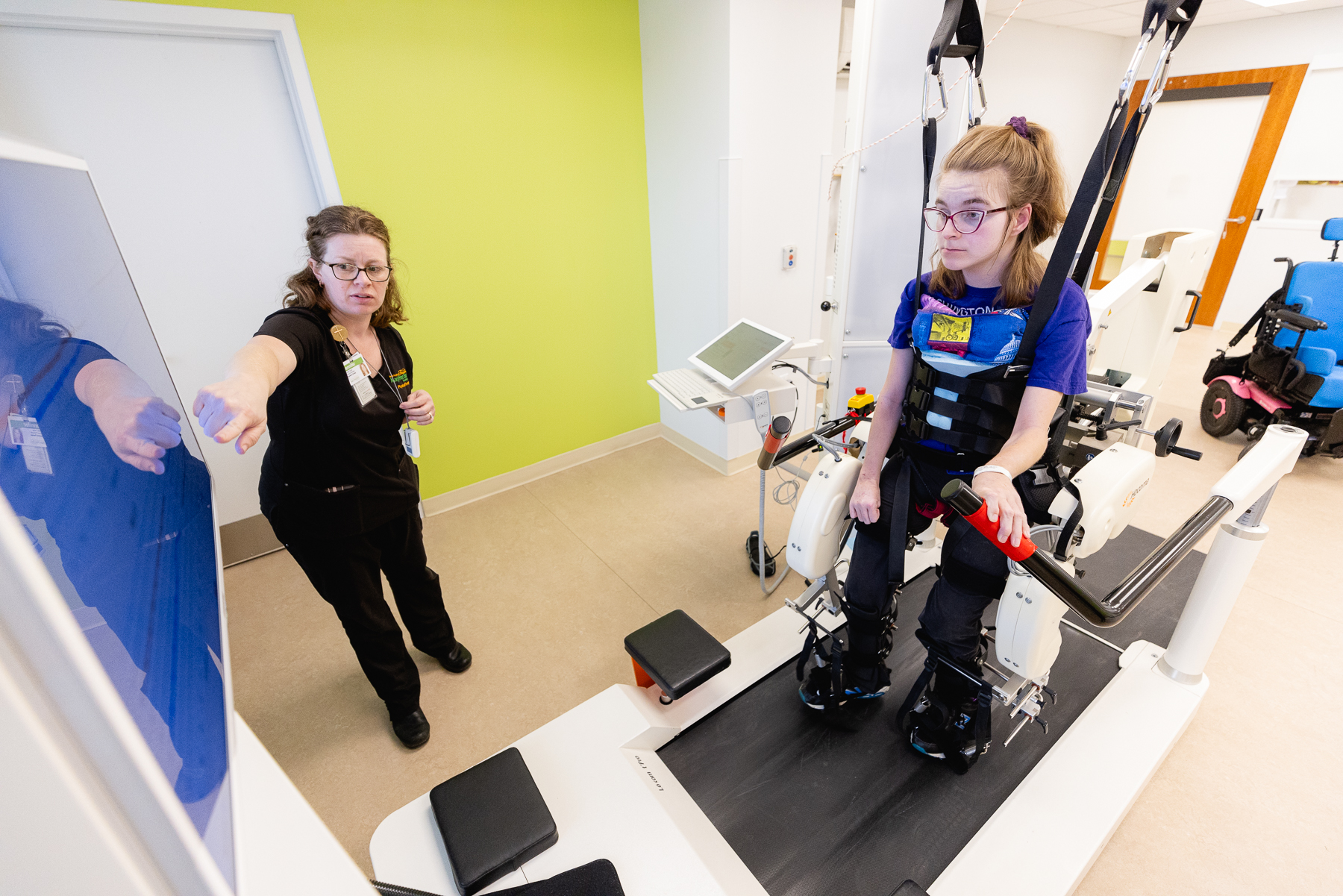
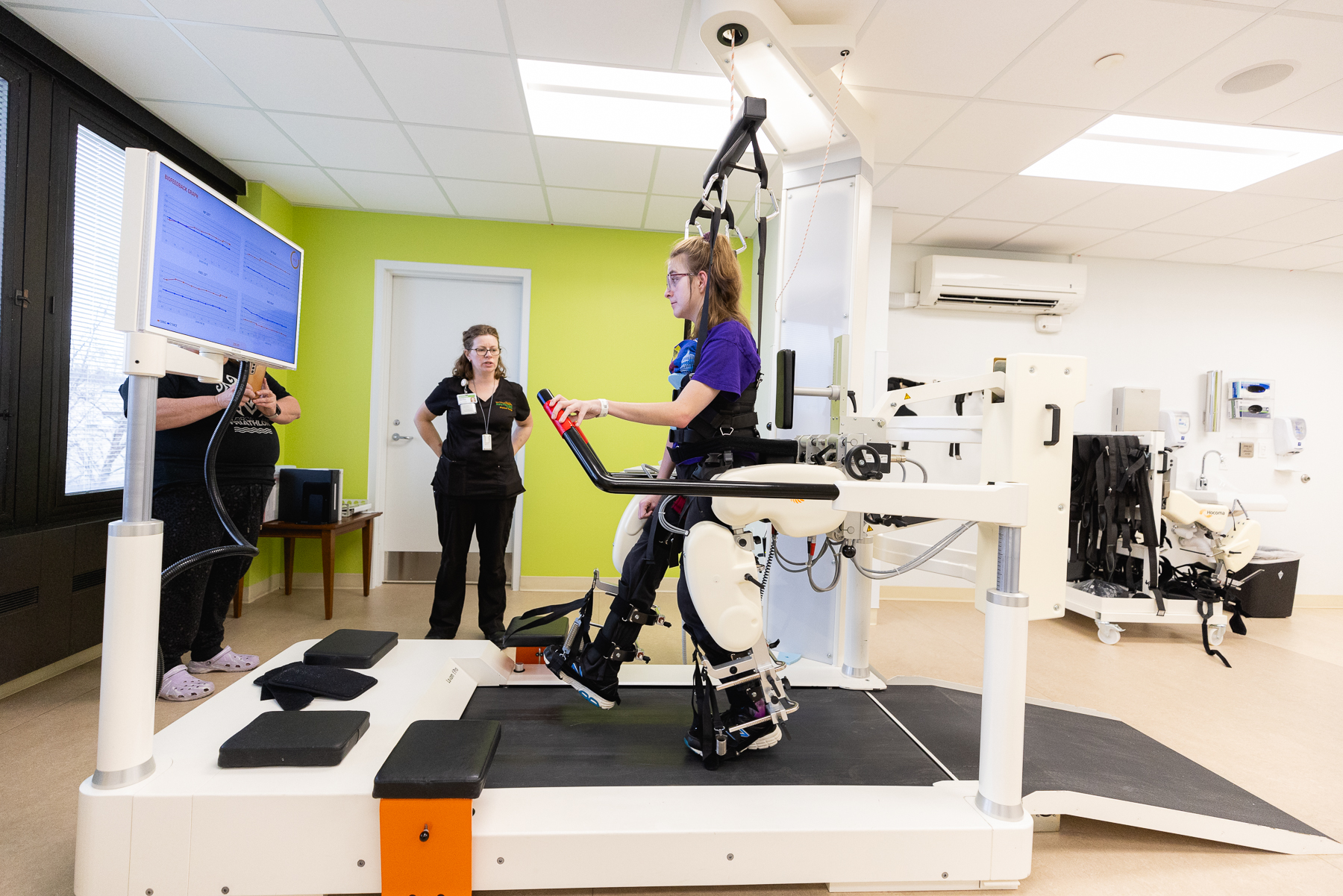
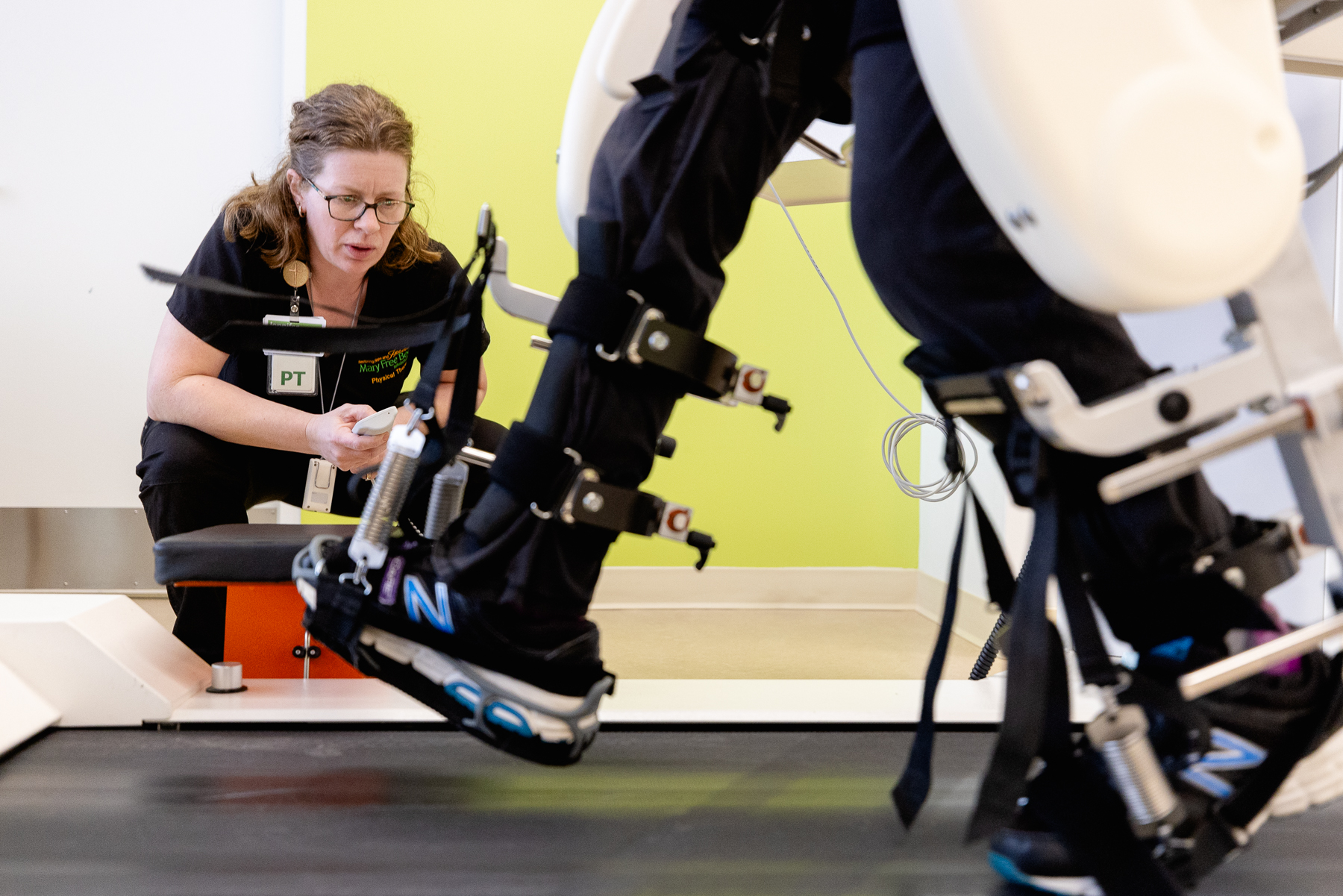
- Advanced technology and adaptive equipment to enhance recovery
- Collaboration between therapists, physiatrists and other pediatric specialists
- A child-friendly, uplifting environment designed just for kids
Why Choose Mary Free Bed Kids
Mary Free Bed Kids is home to one of the nation’s most comprehensive pediatric rehabilitation programs. Our team provides:
- A family-centered goal oriented approach that empowers parents and caregivers
- Advanced technology and adaptive equipment to enhance recovery
- Collaboration between therapists, physiatrists and other pediatric specialists
- A child-friendly, uplifting environment designed just for kids
Why Choose Mary Free Bed Kids
Mary Free Bed Kids is home to one of the nation’s most comprehensive pediatric rehabilitation programs. Our team provides:
- A family-centered goal oriented approach that empowers parents and caregivers
- Advanced technology and adaptive equipment to enhance recovery
- Collaboration between therapists, physiatrists and other pediatric specialists
- A child-friendly, uplifting environment designed just for kids
Why Choose Mary Free Bed Kids
Mary Free Bed Kids is home to one of the nation’s most comprehensive pediatric rehabilitation programs. Our team provides:
- A family-centered goal oriented approach that empowers parents and caregivers
- Advanced technology and adaptive equipment to enhance recovery
- Collaboration between therapists, physiatrists and other pediatric specialists
- A child-friendly, uplifting environment designed just for kids
Why Choose Mary Free Bed Kids
Mary Free Bed Kids is home to one of the nation’s most comprehensive pediatric rehabilitation programs. Our team provides:
- A family-centered goal oriented approach that empowers parents and caregivers
- Advanced technology and adaptive equipment to enhance recovery
- Collaboration between therapists, physiatrists and other pediatric specialists
- A child-friendly, uplifting environment designed just for kids
Why Choose Mary Free Bed Kids
Mary Free Bed Kids is home to one of the nation’s most comprehensive pediatric rehabilitation programs. Our team provides:
- A family-centered goal oriented approach that empowers parents and caregivers
- Advanced technology and adaptive equipment to enhance recovery
- Collaboration between therapists, physiatrists and other pediatric specialists
- A child-friendly, uplifting environment designed just for kids
Why Choose Mary Free Bed Kids
Mary Free Bed Kids is home to one of the nation’s most comprehensive pediatric rehabilitation programs. Our team provides:
- A family-centered goal oriented approach that empowers parents and caregivers
- Advanced technology and adaptive equipment to enhance recovery
- Collaboration between therapists, physiatrists and other pediatric specialists
- A child-friendly, uplifting environment designed just for kids
Begin Your Child’s Journey
If you believe your child may benefit from an evaluation regarding his/her cerebral palsy, developmental delay or similar condition we’re here to help. Together, we’ll help your child gain abilities, confidence and joy in every step forward.
Begin Your Child’s Journey
If you believe your child may benefit from an evaluation regarding his/her cerebral palsy, developmental delay or similar condition we’re here to help. Together, we’ll help your child gain abilities, confidence and joy in every step forward.
Begin Your Child’s Journey
If you believe your child may benefit from an evaluation regarding his/her cerebral palsy, developmental delay or similar condition we’re here to help. Together, we’ll help your child gain abilities, confidence and joy in every step forward.
Begin Your Child’s Journey
If you believe your child may benefit from an evaluation regarding his/her cerebral palsy, developmental delay or similar condition we’re here to help. Together, we’ll help your child gain abilities, confidence and joy in every step forward.
Begin Your Child’s Journey
If you believe your child may benefit from an evaluation regarding his/her cerebral palsy, developmental delay or similar condition we’re here to help. Together, we’ll help your child gain abilities, confidence and joy in every step forward.
Begin Your Child’s Journey
If you believe your child may benefit from an evaluation regarding his/her cerebral palsy, developmental delay or similar condition we’re here to help. Together, we’ll help your child gain abilities, confidence and joy in every step forward.
Begin Your Child’s Journey
If you believe your child may benefit from an evaluation regarding his/her cerebral palsy, developmental delay or similar condition we’re here to help. Together, we’ll help your child gain abilities, confidence and joy in every step forward.
Ready to Get Started With Mary Free Bed?
Wherever your child is on their rehabilitation journey, we’re here to help every step of the way. Our pediatric specialists are ready to listen, support and guide your family through recovery. Whether your child is just beginning treatment or continuing progress from earlier care, our team is committed to encouraging their growth, celebrating milestones and supporting every goal—big and small.
Our Locations
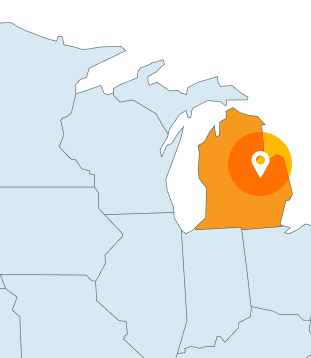
Great Lakes Bay Region
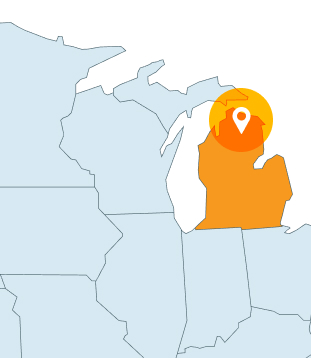
Northern Michigan
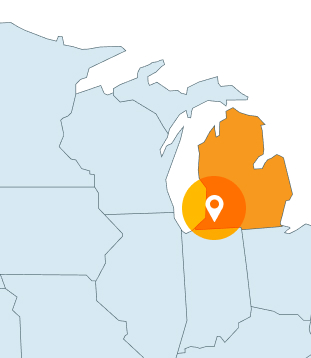
Southwest Michigan
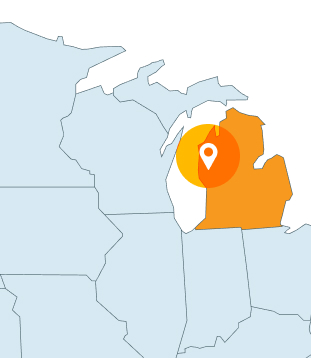
West Michigan
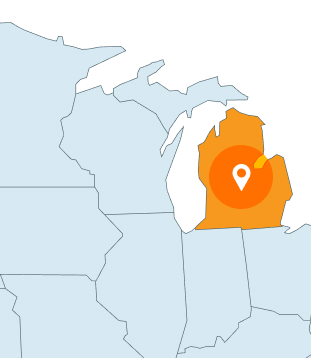
Mid-Michigan
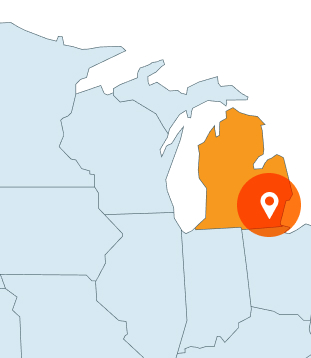
Southeast Michigan
Indiana
Virginia