



Stroke
Helping children recover from a stroke with compassionate, expert care
Strokes in children are rare, but they can be life‑changing. When the blood supply to part of the brain is blocked or a blood vessel bursts, brain cells begin to die and neurologic functions are interrupted. Children may suddenly lose strength or have trouble speaking or coordinating movements. They may also become lethargic. Recognizing the symptoms and getting help quickly is essential—a stroke is a medical emergency. At Mary Free Bed Kids, we provide expert, family‑centered rehabilitation that helps kids regain strength, confidence and independence in an environment designed just for them.
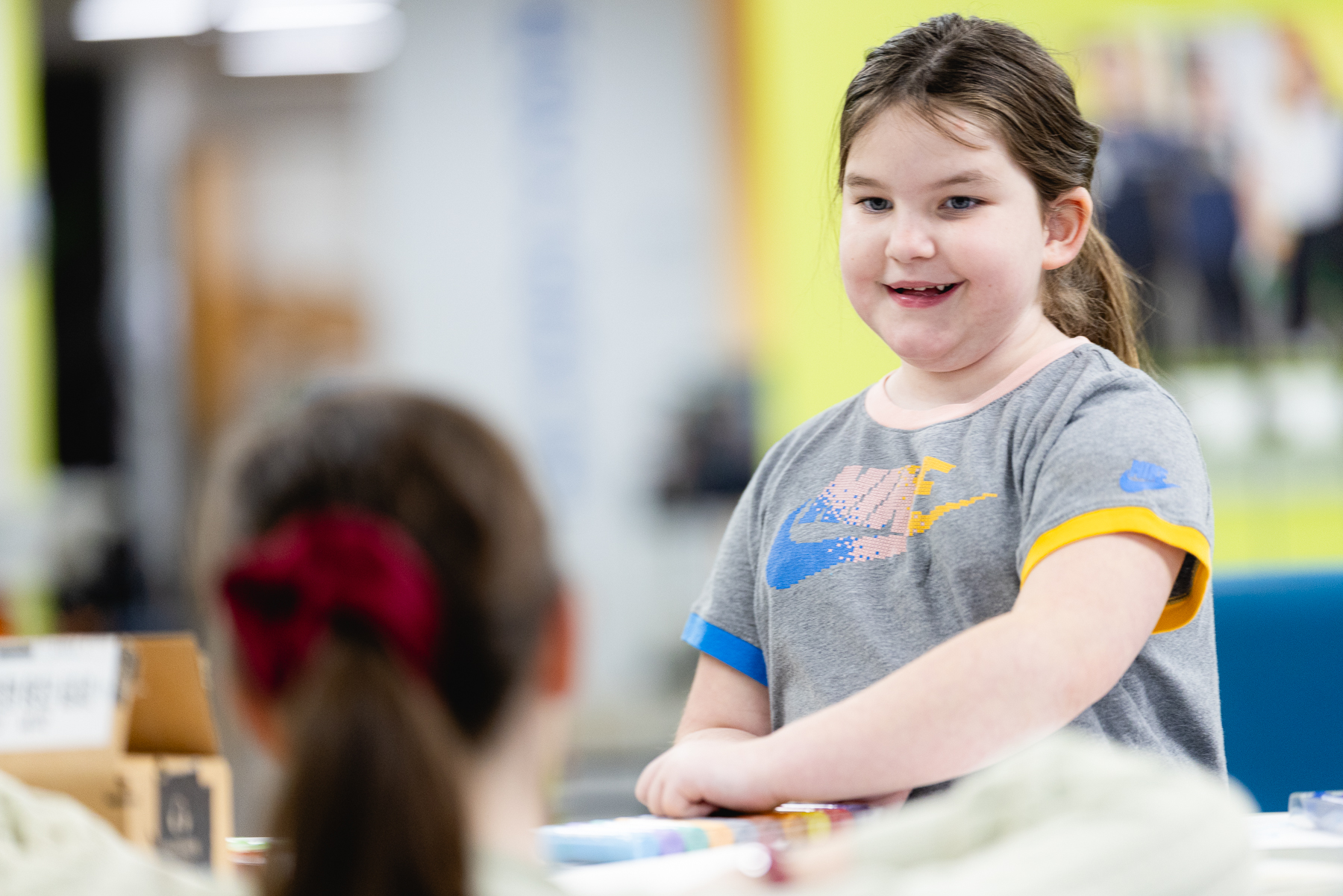
Why Mary Free Bed Kids?
As a CARF-Accredited Pediatric Inpatient Rehabilitation Program, we provide expert, family-centered care designed to support the best possible recovery outcomes. Rehabilitation is essential after a stroke, and research consistently shows that beginning specialized care early can significantly improve a child’s progress.
Our accredited programs, seasoned clinical teams, and compassionate approach ensure that children and families receive the highest standard of support throughout their rehabilitation journey.


Mary Free Bed Rehabilitation Hospital holds a number of special accreditations from the Commission on Accreditation of Rehabilitation Facilities International (CARF). This voluntary but rigorous accreditation process is based on specific and comprehensive standards ensuring the highest-quality rehabilitation.
CARF is an independent organization dedicated to providing reliable information to help patients and families make informed health care decisions. Consumers and medical professionals collaborate to develop the leading-edge standards by which providers are measured.
What is a stroke?
A stroke occurs when the blood flow to a part of the brain is cut off (ischemic stroke) or when a blood vessel ruptures and bleeds into the brain (hemorrhagic stroke). In adults, risk factors include heart disease, high blood pressure and smoking. However, strokes also happen in children due to congenital heart disease, sickle cell anemia, infections, head trauma or blood disorders. Stroke signs in kids can mirror those in adults: sudden weakness on one side of the body, slurred speech, vision changes, trouble walking, severe headache and sudden confusion.
When you suspect a stroke, it’s important to remember to B.E. F.A.S.T. and watch out for:
- Balance problems
- Eyesight changes
- Uneven Face, Arm or leg weakness
- Slurred speech
If you notice any of these symptoms, it’s Time to call emergency services.
How Strokes Affect Children
A stroke can affect how a child thinks, communicates and moves. The impact depends on the size and location of the stroke and any previous injuries. Damage on the left side of the brain can cause difficulty speaking, reading and writing. Damage on the right side of the brain may affect visual‑spatial skills, attention and impulse control. Children might struggle with memory, concentration, problem-solving and judgment. Progress in communication and cognitive skills often takes longer than physical recovery, but improvements can continue over months and even years, with the biggest gains typically occurring during the first six months.
Strokes can also impact motor skills. Weakness or paralysis may make it hard to walk, balance or use the affected arm and hand. Speech, swallowing and eating may be challenging. Some children experience changes in vision, sensory perception or balance. These challenges can be frightening for both children and parents, but with specialized rehabilitation, kids can regain function and develop new ways to accomplish everyday tasks.
Why choose Mary Free Bed Kids for stroke rehabilitation?
At Mary Free Bed Kids, we believe rehabilitation should be as unique as your child. Our Pediatric Inpatient Program is certified by the Commission on Accreditation of Rehabilitation Facilities (CARF), meaning we meet high standards for family‑centered, developmentally appropriate care. Our experienced team consistently exceeds national benchmarks for patient outcomes and satisfaction.
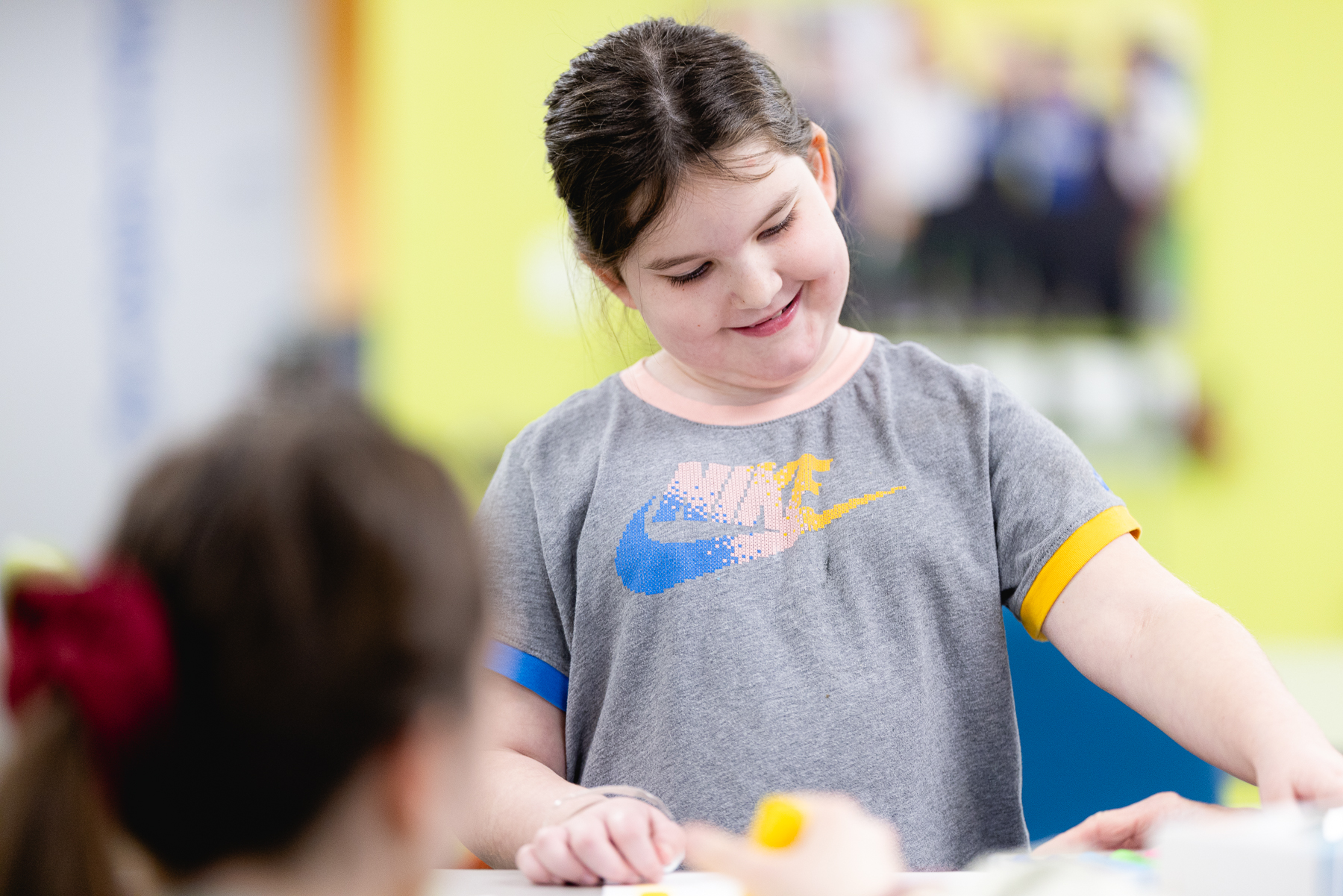
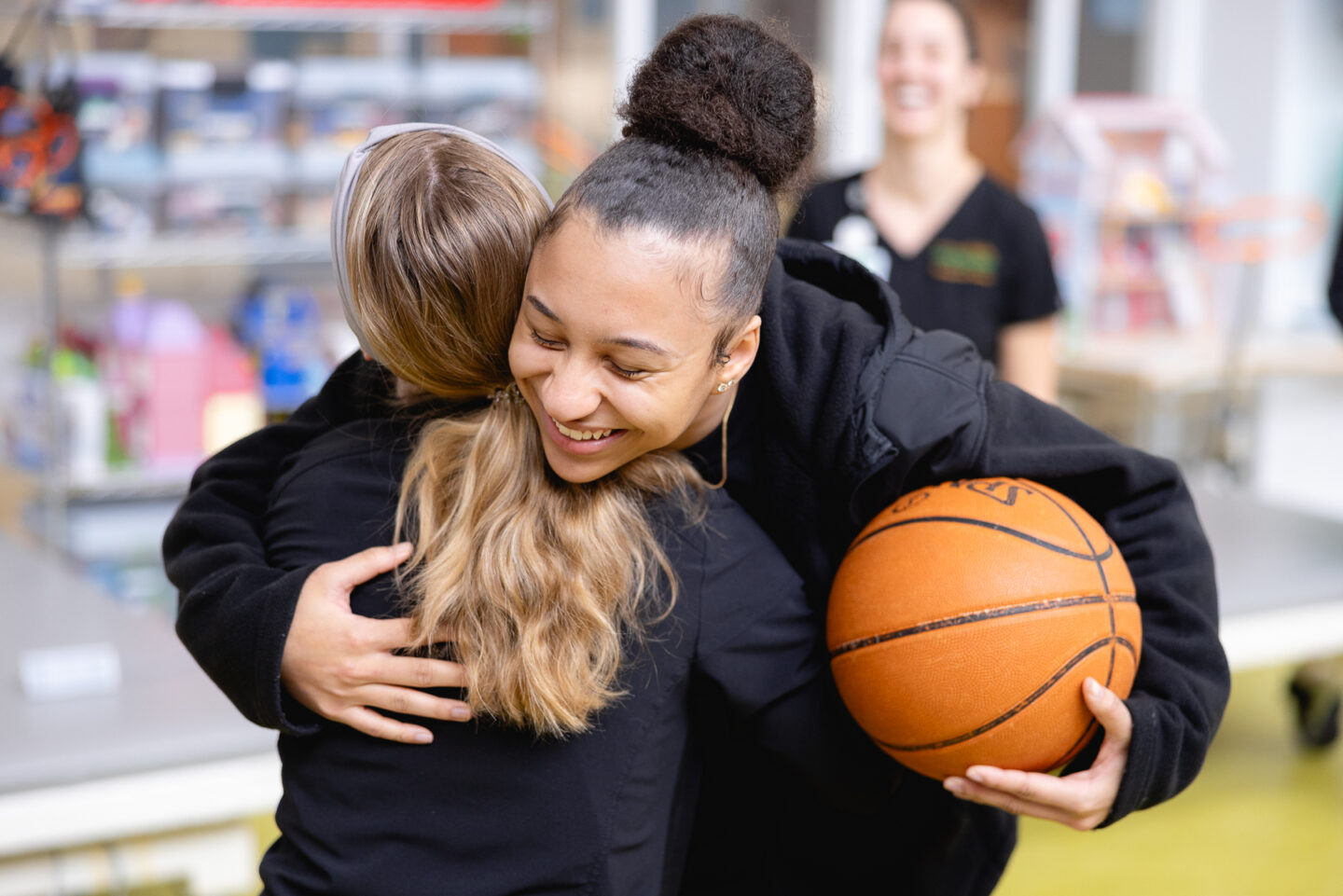
Kid‑Focused Expertise
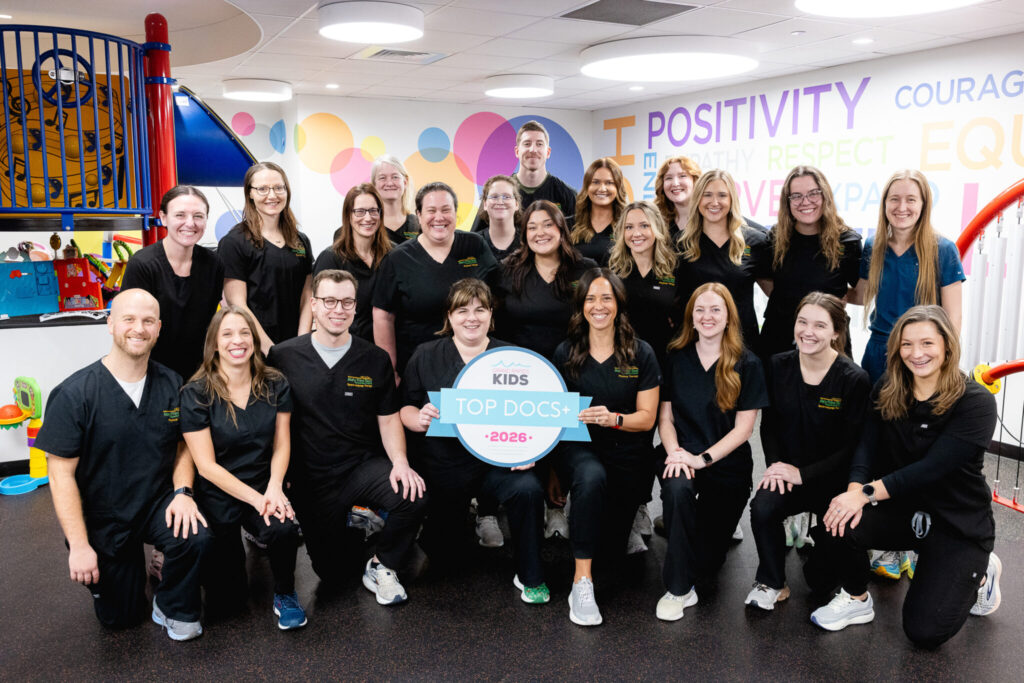
Your child will be cared for by a consistent team of pediatric experts, including:
- Board‑certified Mary Free Bed physicians
- Hospitalists from Helen DeVos Children’s Hospital
- Specially trained nurses
- Physical and occupational therapists
- Speech‑language pathologists
- Recreational therapists
- Psychologists and neuropsychologists
- Registered dietitians
- Care managers
- Even certified therapy dogs
Who’s part of the Stroke Rehabilitation Team?
Each member of the Stroke Rehabilitation Team plays a unique role in your child’s rehabilitation journey.
- Physical therapists help improve flexibility, strength, mobility and balance.
- Occupational therapists can assess perceptual, visual, motor and cognitive skills. They also help children practice daily activities.
- Speech‑language pathologists address communication, cognition and swallowing. *Psychologists support emotional well‑being by providing age-appropriate coping strategies.
- Care managers coordinate care and discharge planning.
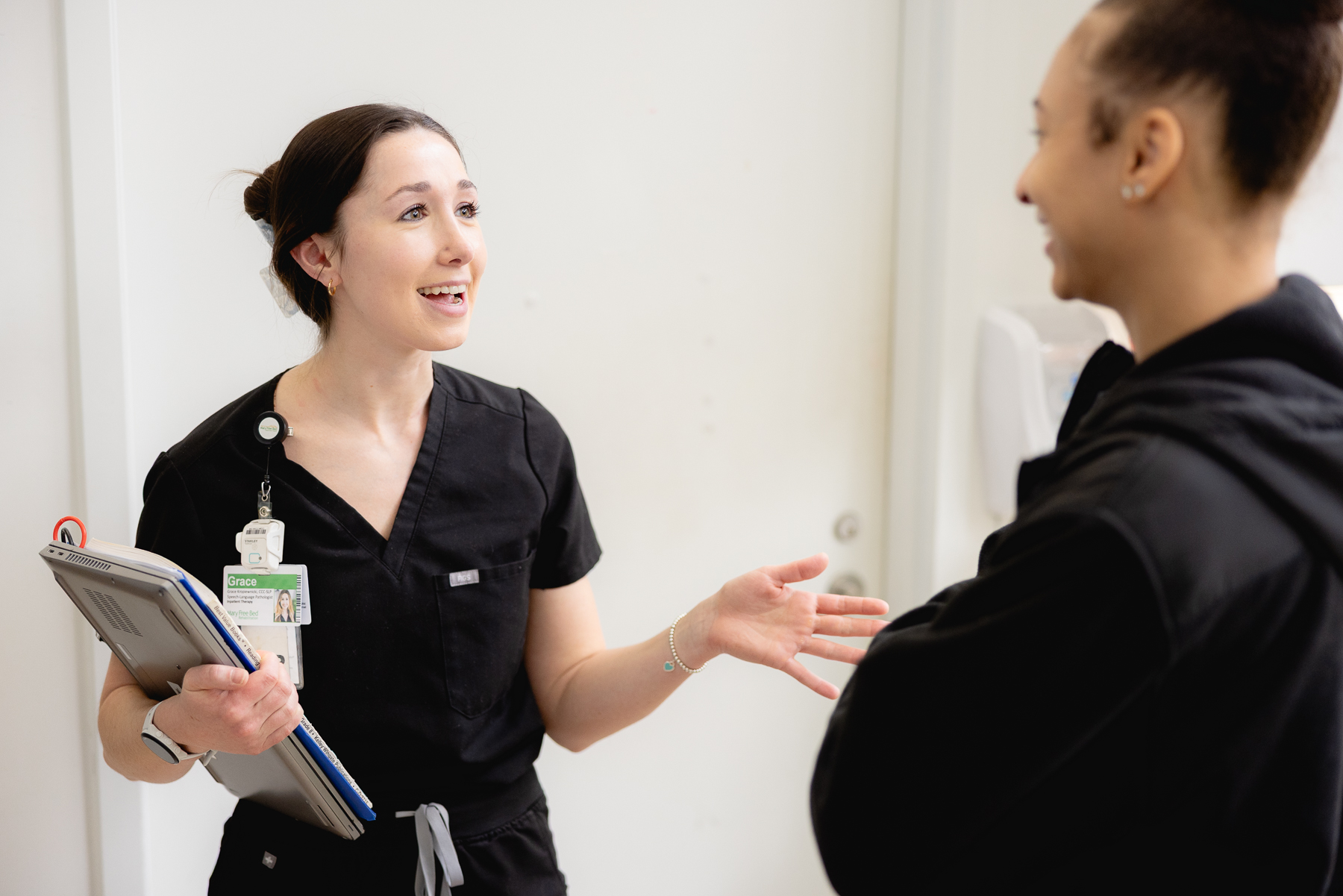
Rehabilitation Through Play
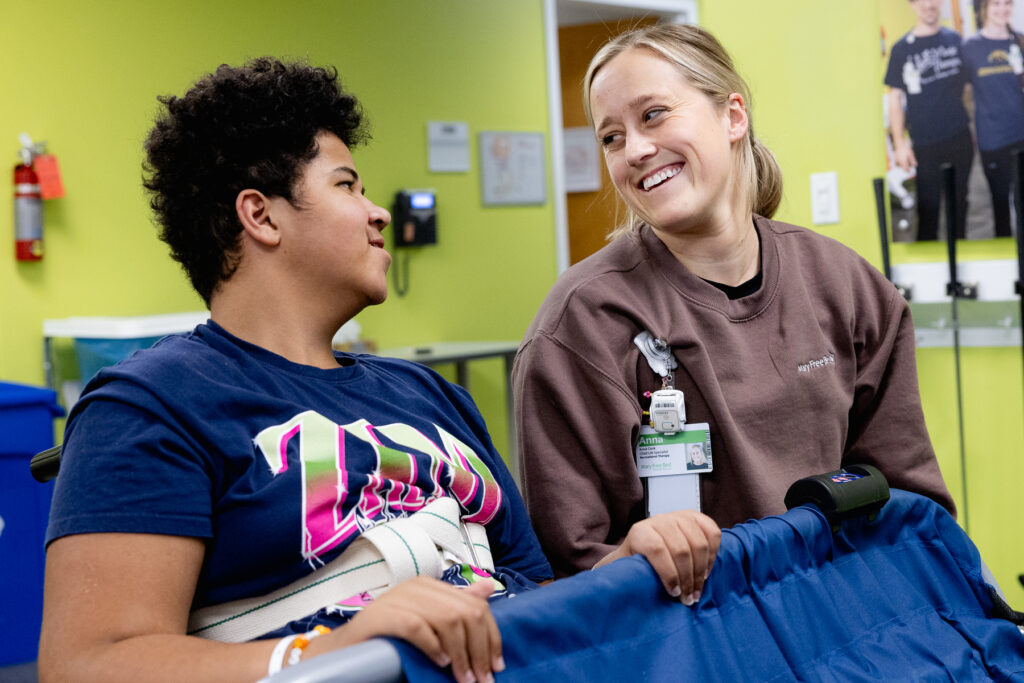
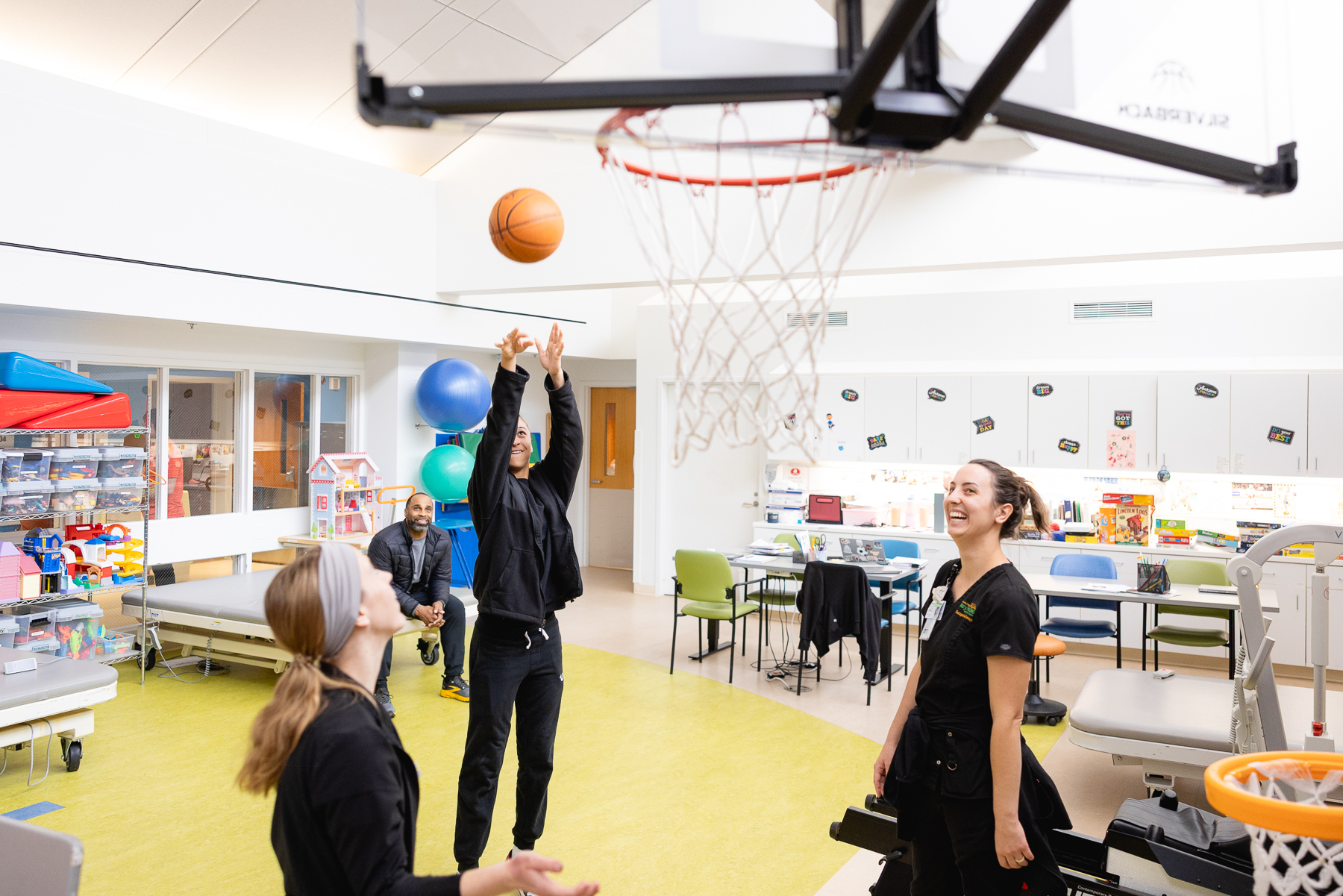
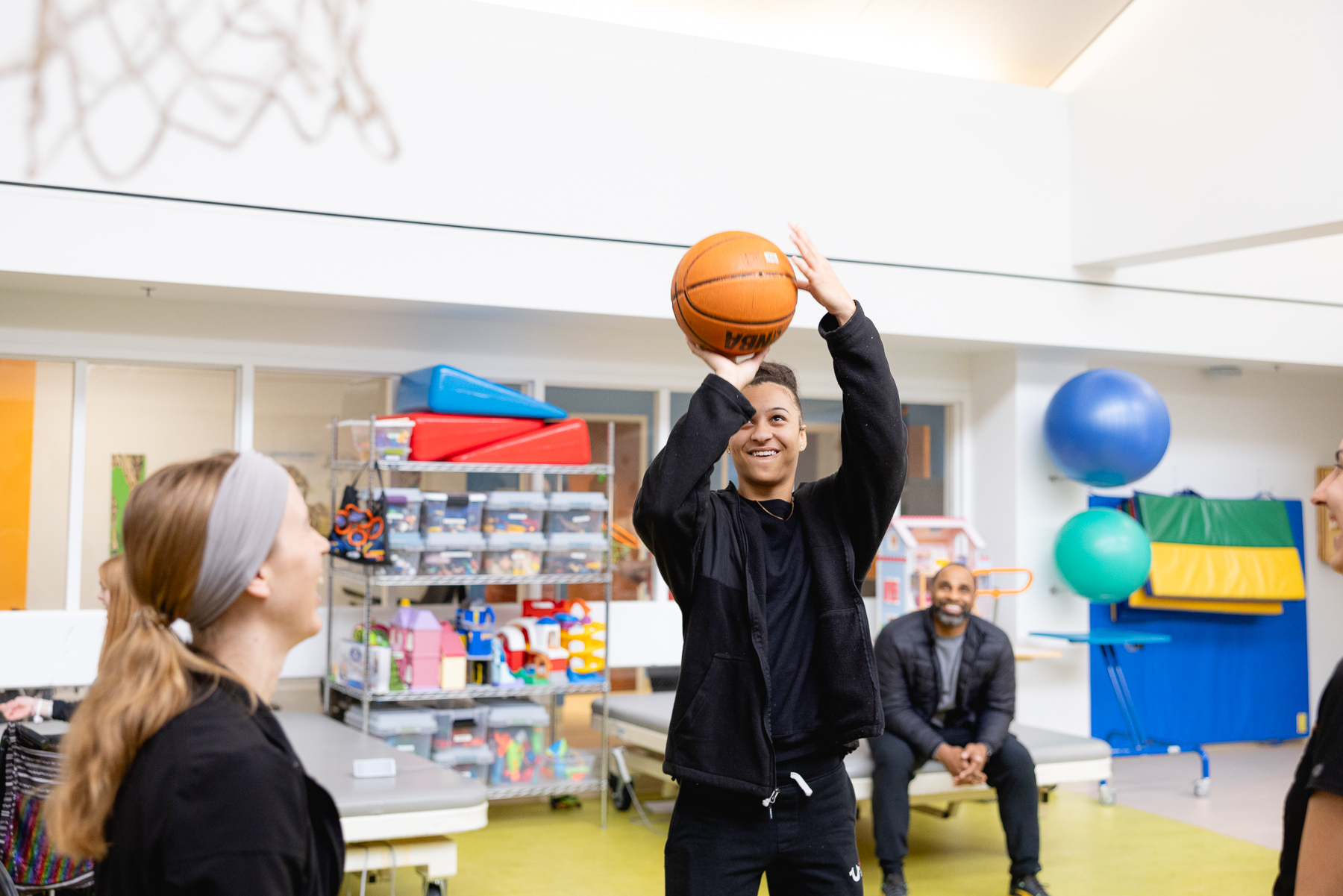
Rehabilitation is hard work, but we believe laughter and play accelerate healing. Our therapists adapt sessions to include activities your child loves, turning therapy into games or creative projects. Therapy is scheduled every day, but weekend sessions are lighter to allow for family time and rest. This balance helps children stay motivated while giving their bodies time to recover.
A Safe, Child‑Friendly Environment
Our children’s rehabilitation hospital looks nothing like a hospital. Rooms are private, bright and cheerful. Technology is appropriately sized for kids. We have separate therapy gyms and social areas for young children and teens. Card access is selectively granted to staff, parents and caregivers for security. We want your child to feel safe, comfortable and supported throughout their stay.
Customized Technology and Equipment
Every child is different, so we customize rehabilitation equipment to meet your child’s needs. Our tech experts can help your child operate a wheelchair or cellphone using assistive technology. We can also create augmentative communication (AAC) devices if speaking is difficult. These tools help children stay independent at home, school and in the community.
Family‑Centered Care
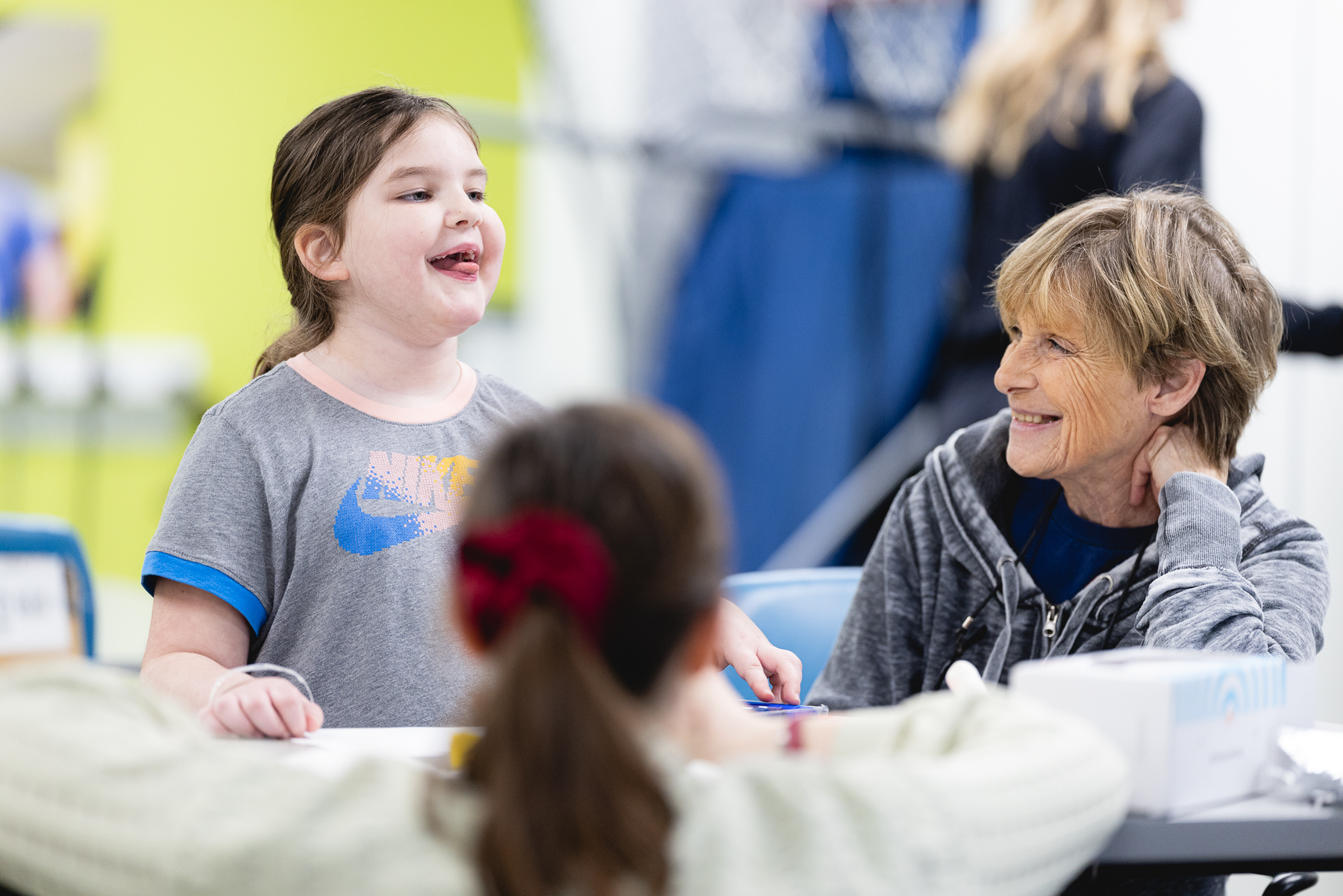
We know you’re the expert on your child, so you’ll be involved in every aspect of their care. Parents and caregivers are encouraged to participate in therapy sessions and share information about your child’s personality and preferences to help set goals. Sometimes it’s beneficial for your child to work alone with therapists; if so, we’ll let you know. You can stay in your child’s room, the Inn at Mary Free Bed or at a nearby Ronald McDonald House. We also offer shuttle services.

Meet Your Stroke Rehabilitation Team

Ready to Get Started With Mary Free Bed?
Wherever your child is on their rehabilitation journey, we’re here to help every step of the way. Our pediatric specialists are ready to listen, support and guide your family through recovery. Whether your child is just beginning treatment or continuing progress from earlier care, our team is committed to encouraging their growth, celebrating milestones and supporting every goal—big and small.
Our Locations
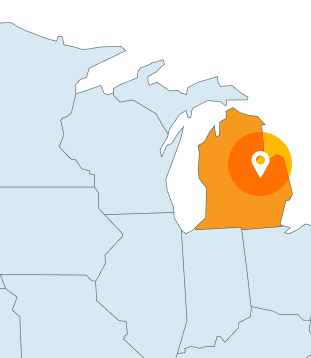
Great Lakes Bay Region
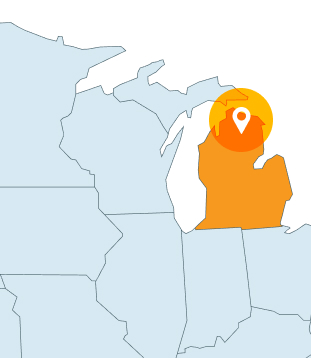
Northern Michigan
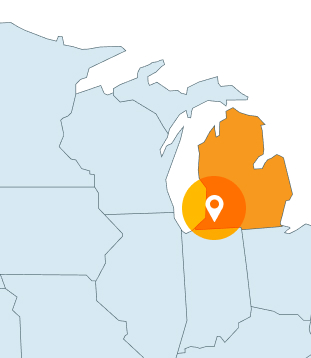
Southwest Michigan
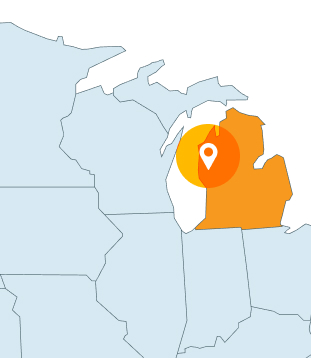
West Michigan
Mid-Michigan
Southeast Michigan
Indiana
Virginia