

Pediatric Aquatic Therapy
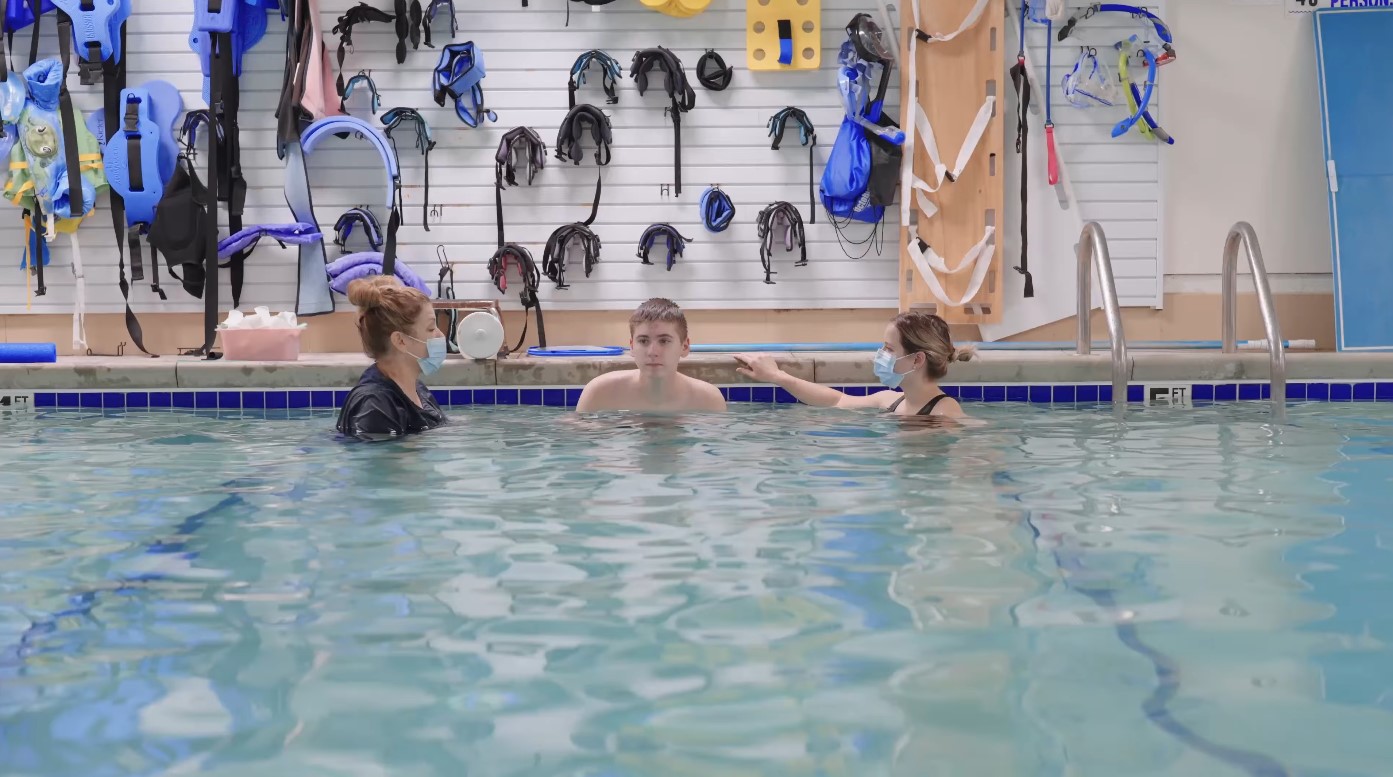
Aquatic therapy is a specialized form of pediatric physical therapy that uses the unique properties of water to help children heal, grow and gain confidence. The pool gives children a chance to experience a different way of practicing strength, balance, mobility and coordination. Aquatic therapy helps kids build physical and emotional resilience while working toward meaningful goals.
At Mary Free Bed, aquatic therapy is part of a comprehensive, child-centered approach to rehabilitation—one that blends expert therapeutic care with encouragement, play and family involvement so your child can grow stronger and more confident every day.
What is Pediatric Aquatic Therapy?
Aquatic therapy is a therapeutic intervention that takes place in a temperature-controlled pool that offers support and resistance as your child moves. The warmth and pressure water provides can help children move more easily, with less pain and effort, while still building strength and coordination.
Water supports part of your child’s weight, reducing the effects of gravity. This means children can practice movements that might be difficult or painful on land—such as standing, walking, balancing or stretching—with less stress on muscles and joints.
Why Aquatic Therapy Matters for Kids
Aquatic therapy is a clinically proven therapeutic tool that helps children meet real-life goals and milestones through the power of playing in the pool. Aquatic therapy can:
- Improve strength and endurance by gently resisting movement to build muscle safely
- Increase range of motion and flexibility with water-assisted stretching and motions
- Enhance balance and coordination
- Promote sensory regulation and body awareness through water’s natural pressure and movement feedback
- Boost confidence and enjoyment
- Reduce pain and discomfort thanks to water’s warm, soothing effect on muscles and joints
Because water allows children to practice skills with less fear of falling or pain, aquatic therapy can help expedite progress toward physical goals—whether your child is recovering after surgery, managing a chronic condition or developing new motor skills.
Who benefits from pediatric aquatic therapy?
Aquatic therapy can help children of many ages and a wide range of diagnoses, including but not limited to:
- Cerebral palsy and neuromuscular disorders
- Developmental delays
- Orthopedic injuries or post-surgical recovery
- Sensory processing challenges
- Balance or coordination difficulties
- Chronic pain conditions
- Autism spectrum disorders
- Spina bifida and muscular weakness
Because the pool is accessible and supportive, children who struggle with weight-bearing or endurance on land can still benefit from therapeutic activity with fewer limitations and more confidence.
Personalized Evaluation
Each child begins with a comprehensive assessment by a licensed pediatric therapist trained in aquatic therapy. This evaluation identifies:
- Your child’s strengths and challenges
- Mobility and functional goals
- How your child responds to movement in water
- A tailored plan that blends water-based therapy with other rehab services, if needed
Your child’s plan is individualized—not every session looks the same.
Warm Water and Wellness
Pediatric aquatic therapy takes place in a temperature-controlled pool, often between 90° F and 94° F, which helps muscles relax and increases comfort during activity. Warm water helps:
- Increase blood flow
- Reduce muscle tone and spasticity
- Promote relaxation
- Make movement more comfortable
- Enhance engagement and motivation
Water depth and temperature are adjusted to best support each child’s needs.
Fun, Functional Activities
Aquatic therapy includes purposeful activities that feel like play but serve therapeutic goals. Depending on your child’s plan, sessions may involve:
- Walking or stepping through water
- Balance and postural exercises
- Gentle resistance movements to build strength
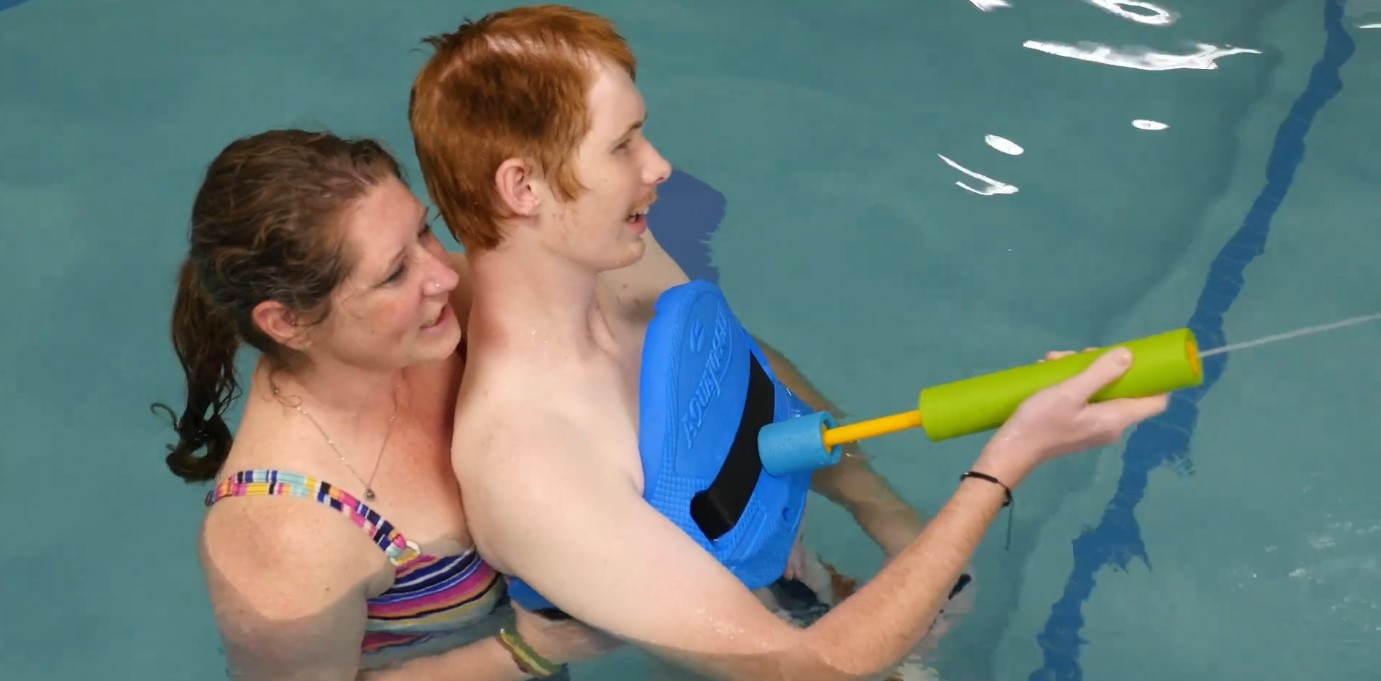
- Play-based tasks that encourage motor planning and coordination
- Sensory integration activities using water pressure and flow
- Games that encourage participation and social interaction
These activities are motivating and engaging, which helps children progress with confidence and joy.
Physical Benefits of Aquatic Therapy
1. Strength and Endurance
Water provides gentle resistance in every direction, making it a natural way to build muscle strength. Since therapy feels like play, kids stay engaged longer and build strength safely.
2. Improved Balance and Coordination
Because water supports balance, children can practice controlled movements without fear of falling.
3. Increased Range of Motion
Water supports and stretches muscles gently, helping children achieve greater flexibility and range of motion than they might on land. This is especially helpful for kids with tight muscles, stiffness or limited joint mobility.
4. Reduced Pain and Joint Stress
Water makes your body feel lighter, lessening stress and strain on joints and muscles. This can make exercise less painful—a powerful benefit for children recovering from injuries or surgeries.
Sensory and Emotional Benefits
Aquatic therapy can also support your child’s sensory processing, emotional wellness and overall confidence.
- Calming sensory input: Water’s constant pressure and warm temperature can provide sensory cues that help children regulate attention and focus.
- Greater confidence: Success in the water often translates to greater self-esteem and willingness to try new activities on land.
- Reduced anxiety: Warm water and play-based sessions help many children feel safe and relaxed.
What to Expect in an Aquatic Therapy Session
Getting Started
Your child’s first few sessions focus on comfort and trust building. A therapist will help your child:
- Adjust to the water temperature and feel
- Understand safety rules and expectations
- Explore gentle movements and play before deeper physical goals
- Practice skills with support aids like flotation devices, noodles or fun toys
Most sessions last 30–60 minutes, depending on your child’s age, stamina and goals. Your child may do aquatic therapy in addition to land-based therapy as part of an integrated plan.
Progress Over Time
As your child becomes more comfortable, sessions may focus more on:
- Functional movement practice that supports daily activities
- Balance challenges that strengthen core stability
- Strength and endurance tasks that prepare your child for land-based activities
- Group play components that build social skills and cooperation
Therapists adjust activities so your child continues to grow while staying safe and motivated.
Family Participation and Education
Aquatic therapy benefits greatly from family involvement. Therapists often:
- Teach caregivers how to support water-based activities safely
- Provide guidance for pool activities at home or in community settings
- Share progress goals and strategies for continued success outside therapy sessions
Your presence and encouragement help your child feel more confident and engaged.
How Aquatic Therapy Complements Other Rehab Services
Aquatic therapy is most effective when integrated with your child’s overall rehabilitation plan. It works hand-in-hand with:
- Physical therapy (land-based and aquatic)
- Occupational therapy
- Speech therapy where appropriate (e.g., breath support exercises)
- Psychological or emotional support services
This multidisciplinary approach helps children make gains that last, from physical skills to confidence and participation in everyday life.
Safety and Support
Your child’s safety is always the top priority. Pediatric aquatic therapy is provided by licensed therapists with specialized training to ensure safe, effective therapeutic experiences. Children are always supervised closely, and equipment or support devices are used to enhance safety and success.
Real Outcomes for Real Kids
Families often share that aquatic therapy helps their children:
- Move with less pain or fear
- Try new skills they couldn’t do on land alone
- Participate more fully in play and daily activities
- Gain strength and endurance in ways that feel fun
- Feel proud and motivated by their progress
Aquatic therapy helps children reach goals that may have once seemed impossible.
Getting Started with Pediatric Aquatic Therapy
If your child’s therapist or physician believes aquatic therapy could support your child’s goals, our team is here to help you get started. We’ll work with you to:
- Schedule an evaluation and first sessions
- Explain expectations and safety procedures
- Create a plan that fits your child’s needs
Aquatic therapy offers a unique therapeutic environment where your child can build strength, independence and confidence—all while enjoying the water.