

What is Wheelchair and Adaptive Sports?
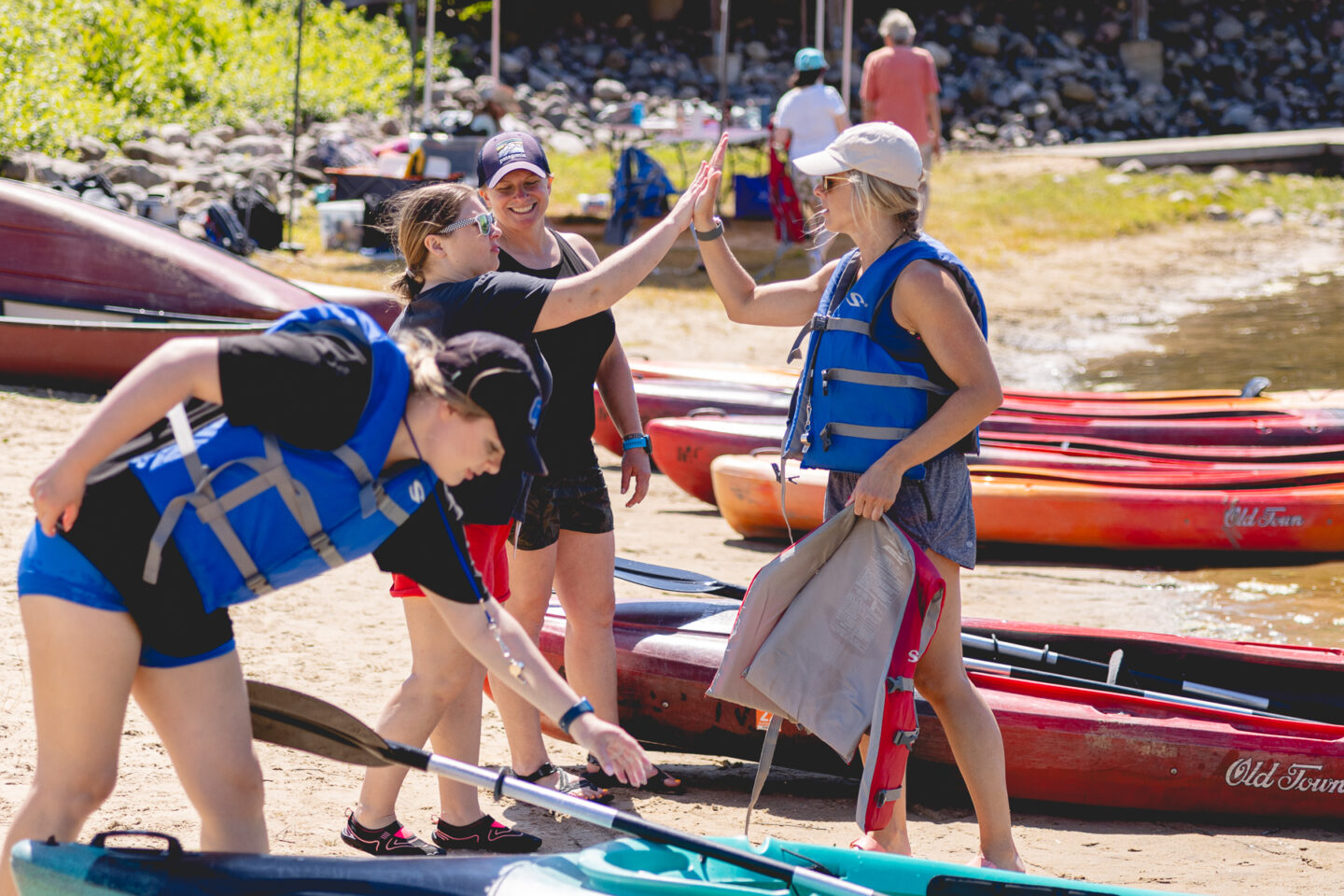
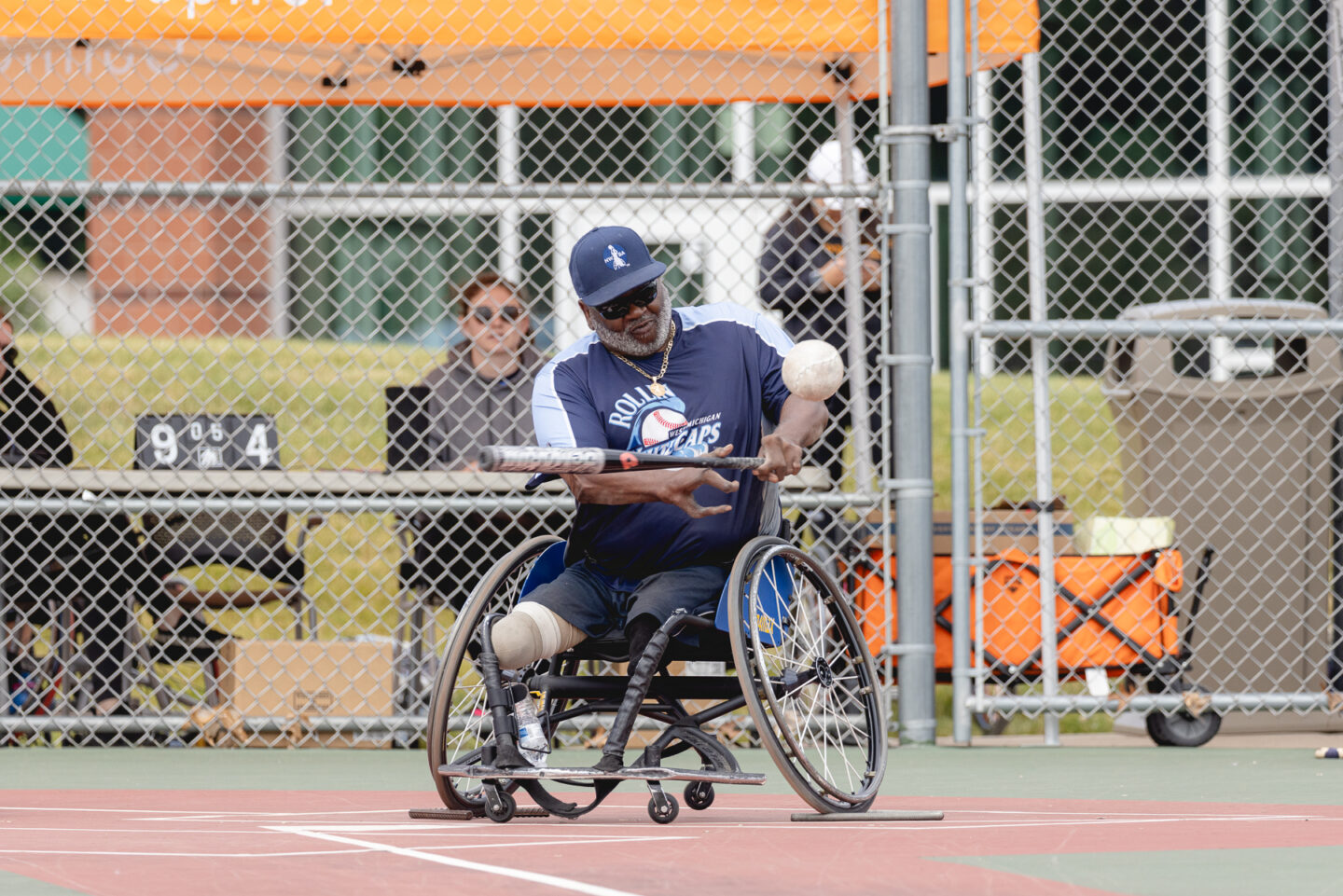
Wheelchair adaptive sports, also known as adaptive sports or parasports, are sports that have been modified to allow individuals with physical disabilities to participate. Wheelchair adaptive sports can be beneficial for individuals with physical disabilities in a number of ways, and Mary Free Bed Rehabilitation Hospital strongly supports wheelchair adaptive sports. They can help improve physical fitness, strength, and coordination. They can also provide a sense of achievement, boost self-esteem and confidence, and promote socialization and a sense of community. Additionally, participating in adaptive sports can help individuals with disabilities to overcome the physical and psychological challenges that may come with their condition and improve their overall quality of life. These sports are designed to be inclusive and provide the same level of competition and enjoyment for individuals using wheelchairs as for those who do not.
Pediatric Wheelchair Adaptive Sports at Mary Free Bed Kids
Participation in sports, recreation and physical activity is a key part of childhood and adolescence — contributing not only to strength and mobility but also confidence, social connection, teamwork and joy. For children and teens who use wheelchairs, adaptive sports unlock opportunities that might feel out of reach. At Mary Free Bed Kids, our Pediatric Wheelchair Adaptive Sports program empowers young athletes with mobility devices, expert coaching, tailored training and supportive community so they can reach their full potential.
We believe a wheelchair should not limit the playing field — it should redefine it. Our pediatric‑specific adaptive sports program integrates expert rehabilitation, custom equipment, coaching and peer support, helping children and teens age 18 and younger build fitness, skills, friendships, opportunity and lifelong habits of active living.
Why Adaptive Sports Matter for Kids in Wheelchairs
Adaptive sports provide accelerated physical benefits by improving cardiovascular health, muscle strength, endurance and coordination. These gains help reduce secondary complications such as fatigue, deconditioning and posture challenges.
Social and emotional gains include increased confidence, identity formation, reduced isolation and meaningful friendships. Participation fosters leadership, resilience and belonging.
Adaptive sports introduce long‑term health habits, supporting lifelong activity and participation. For children who use wheelchairs, these opportunities promote independence, motivation and personal growth.
Conditions and Participation Opportunities
Our program welcomes children and teens who use manual or power wheelchairs, have spinal cord injuries, spina bifida, cerebral palsy, limb differences, muscular dystrophy or other neuromuscular conditions. We support beginners discovering adaptive sports as well as advanced youth competing in community leagues, collegiate sports or Paralympic pathways.
Program Components and Services
Evaluation and Equipment
We begin with a full assessment of mobility, strength, endurance, goals and sports interest. Our team collaborates on choosing or customizing the right adaptive sports chair or equipment.
Sport‑Specific Training
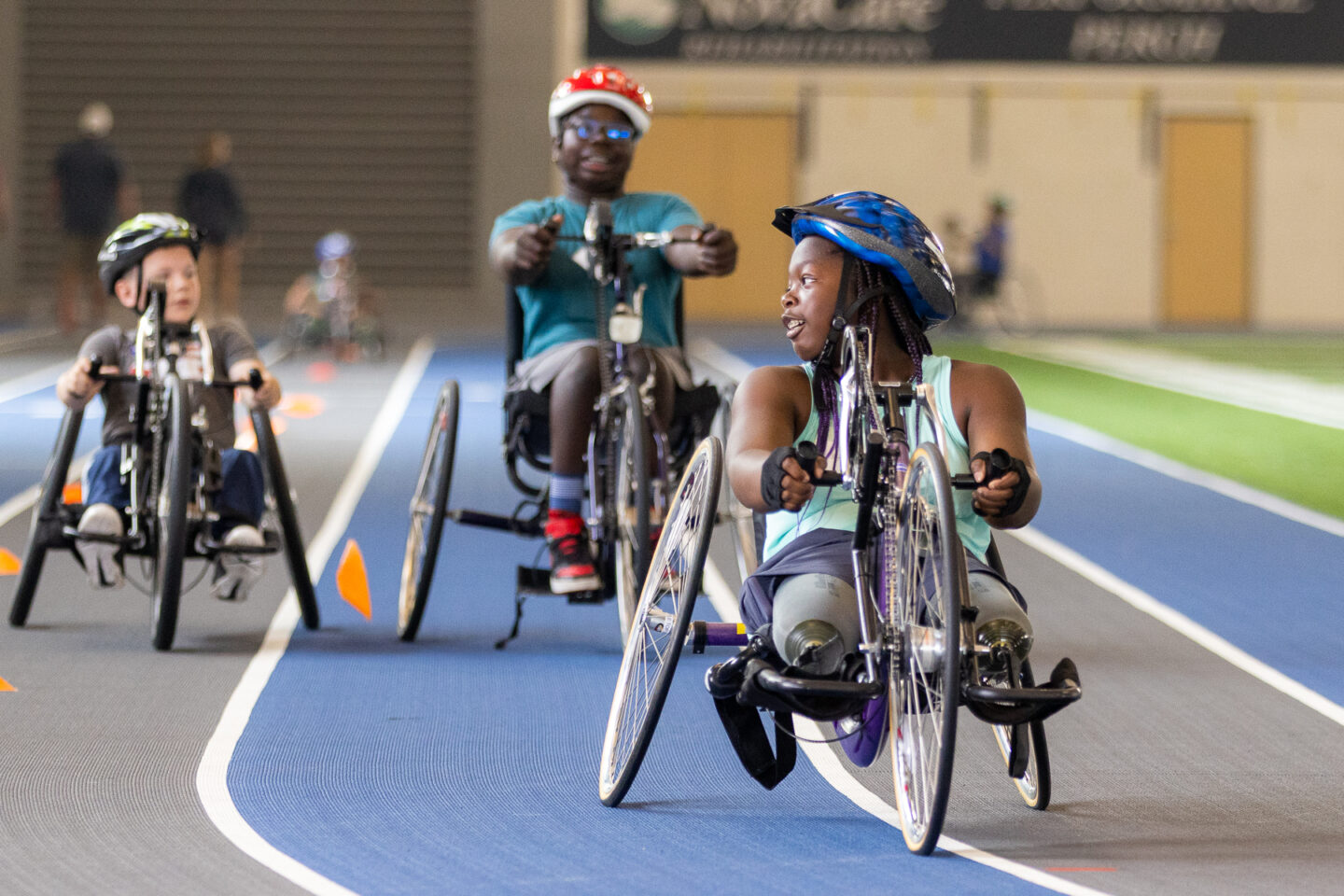
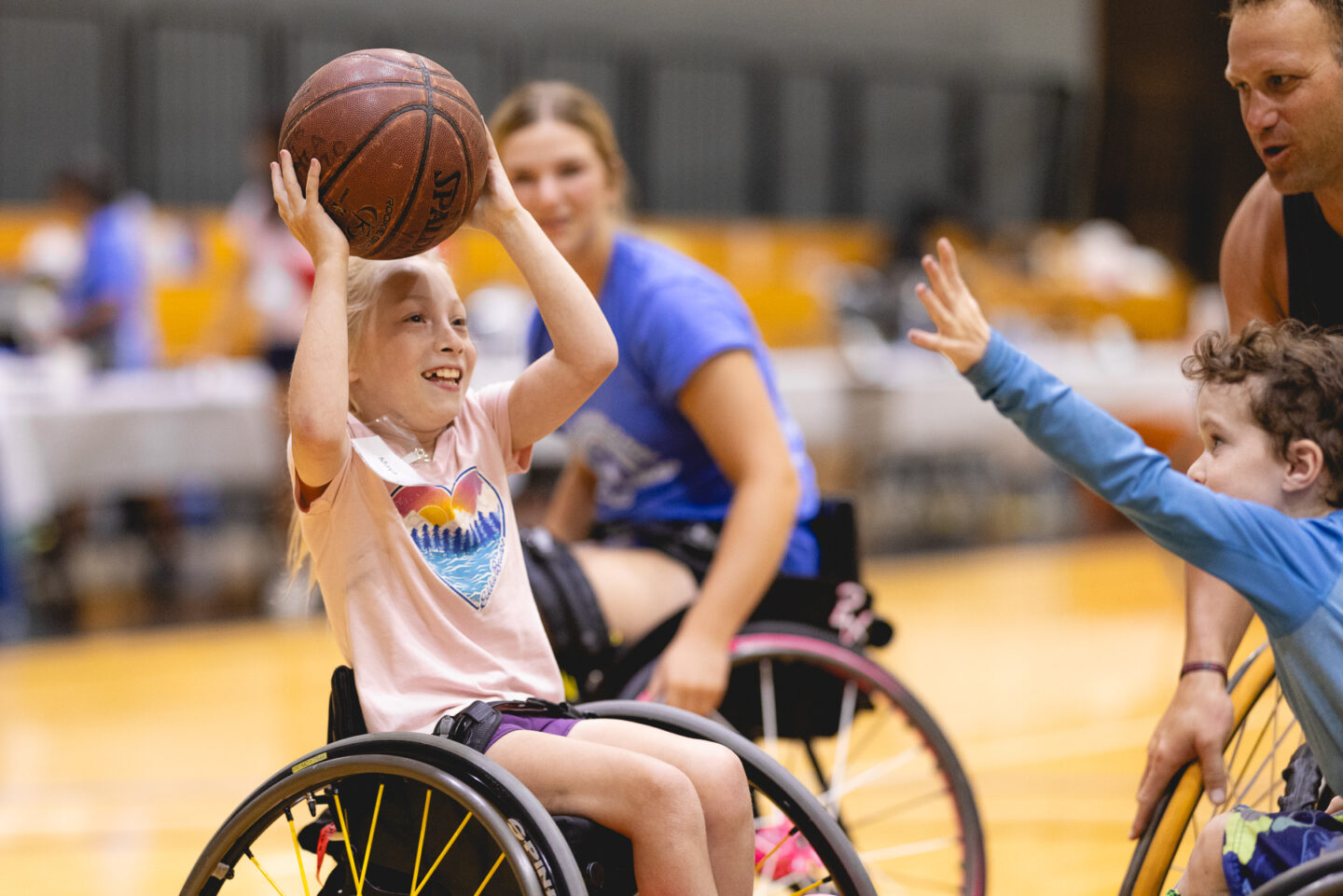
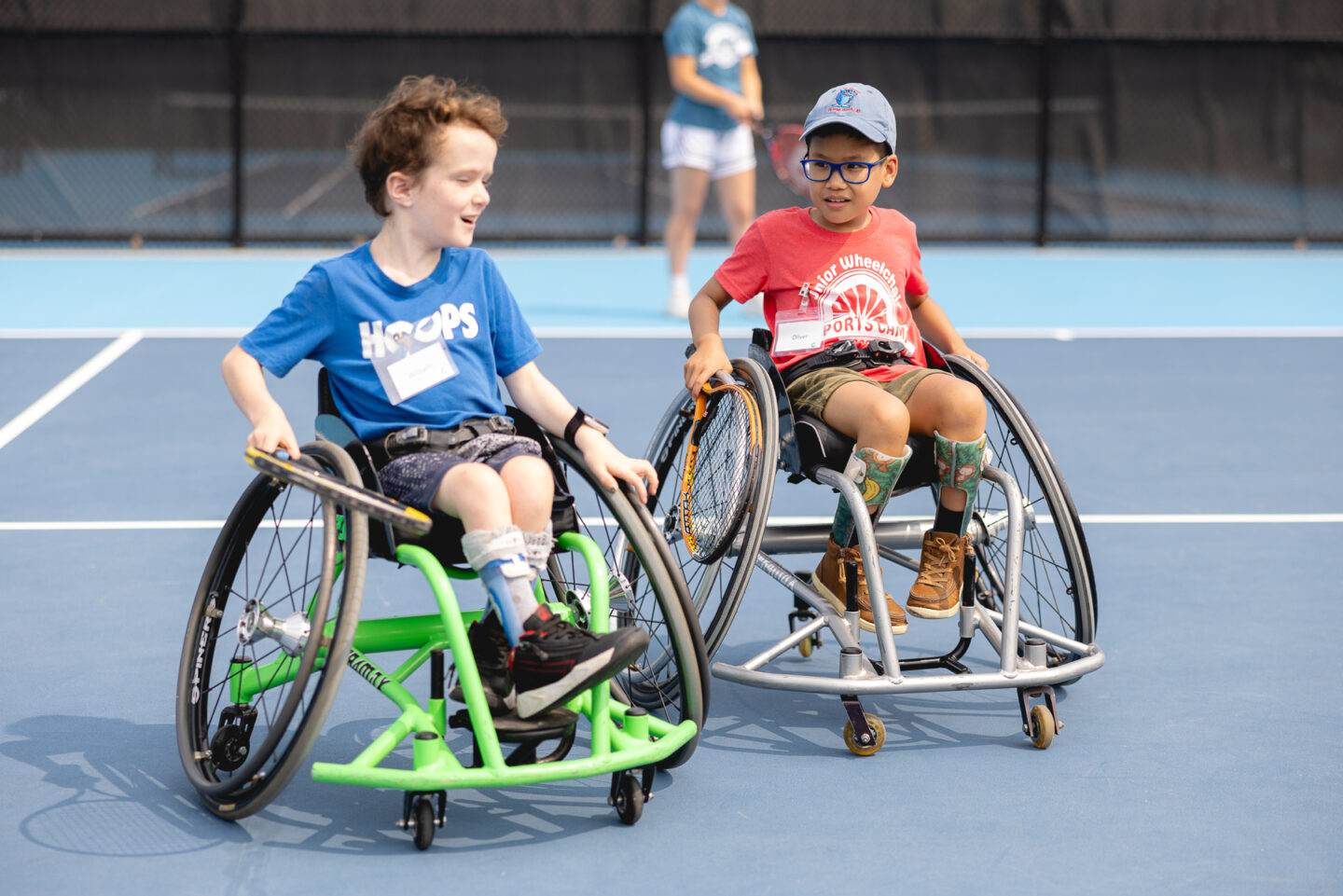
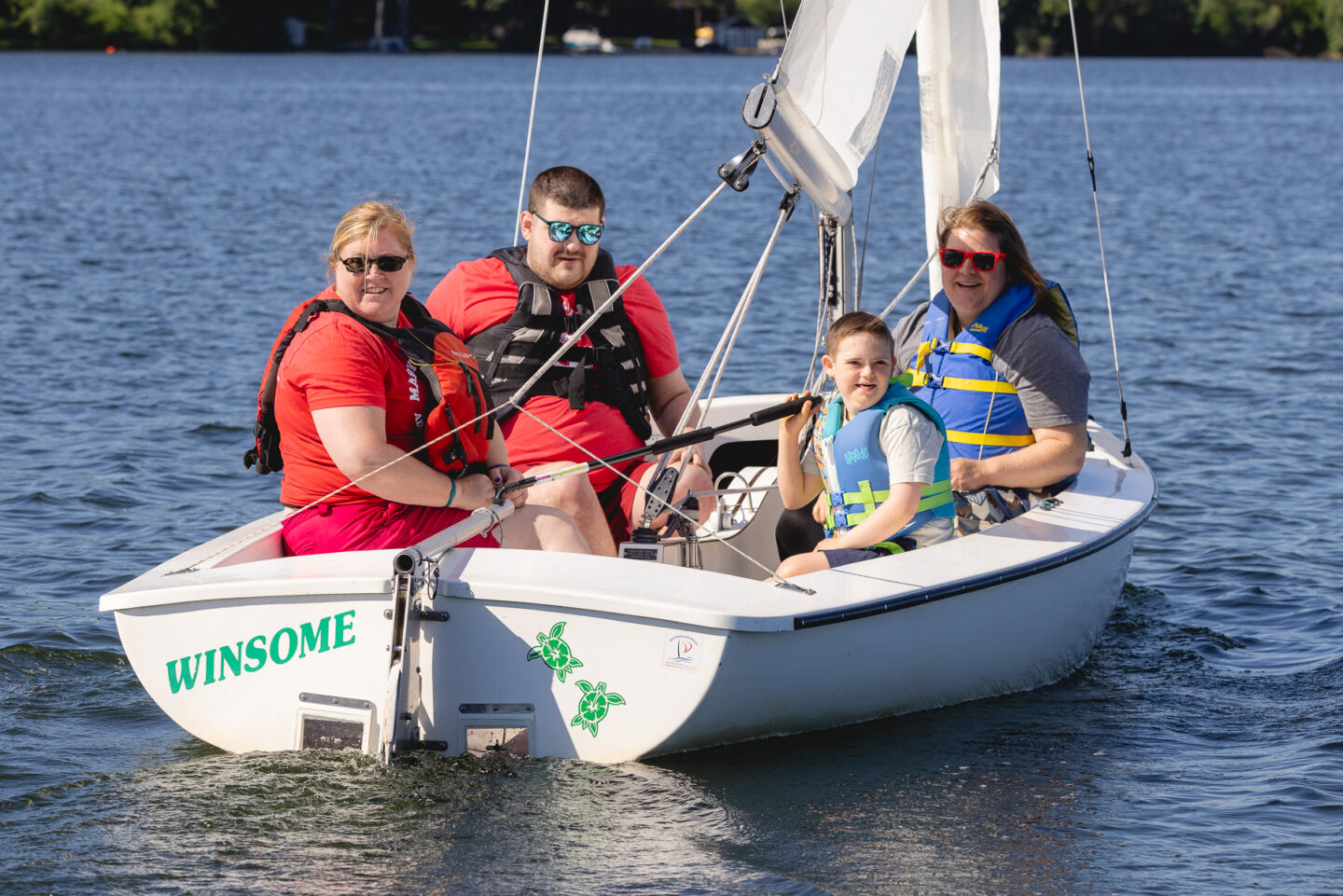
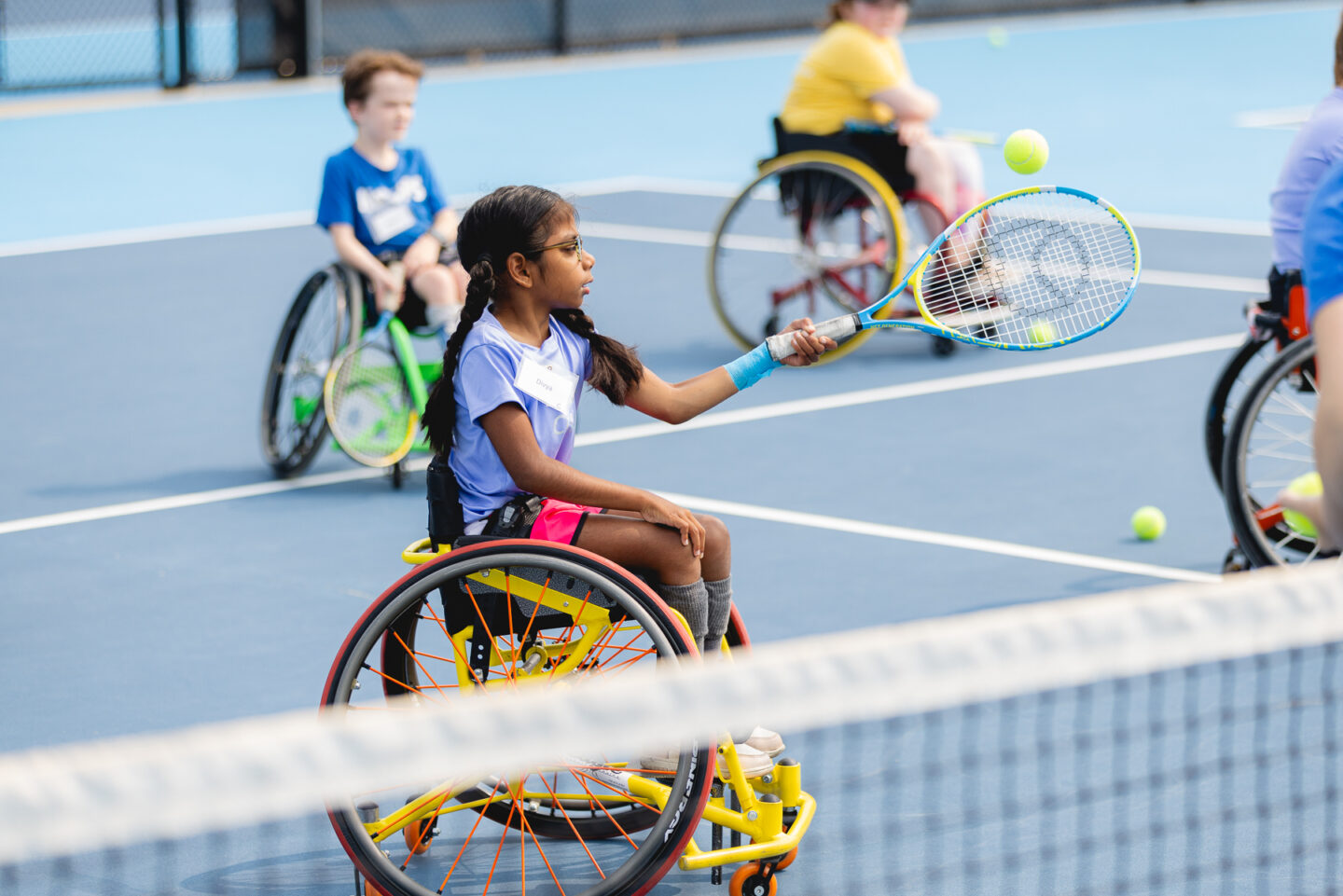
Children join training sessions for wheelchair basketball, tennis, rugby, hand‑cycling, adaptive track and field, and more. Coaches focus on skill development, strategy, conditioning and safety.
Team and Individual Participation
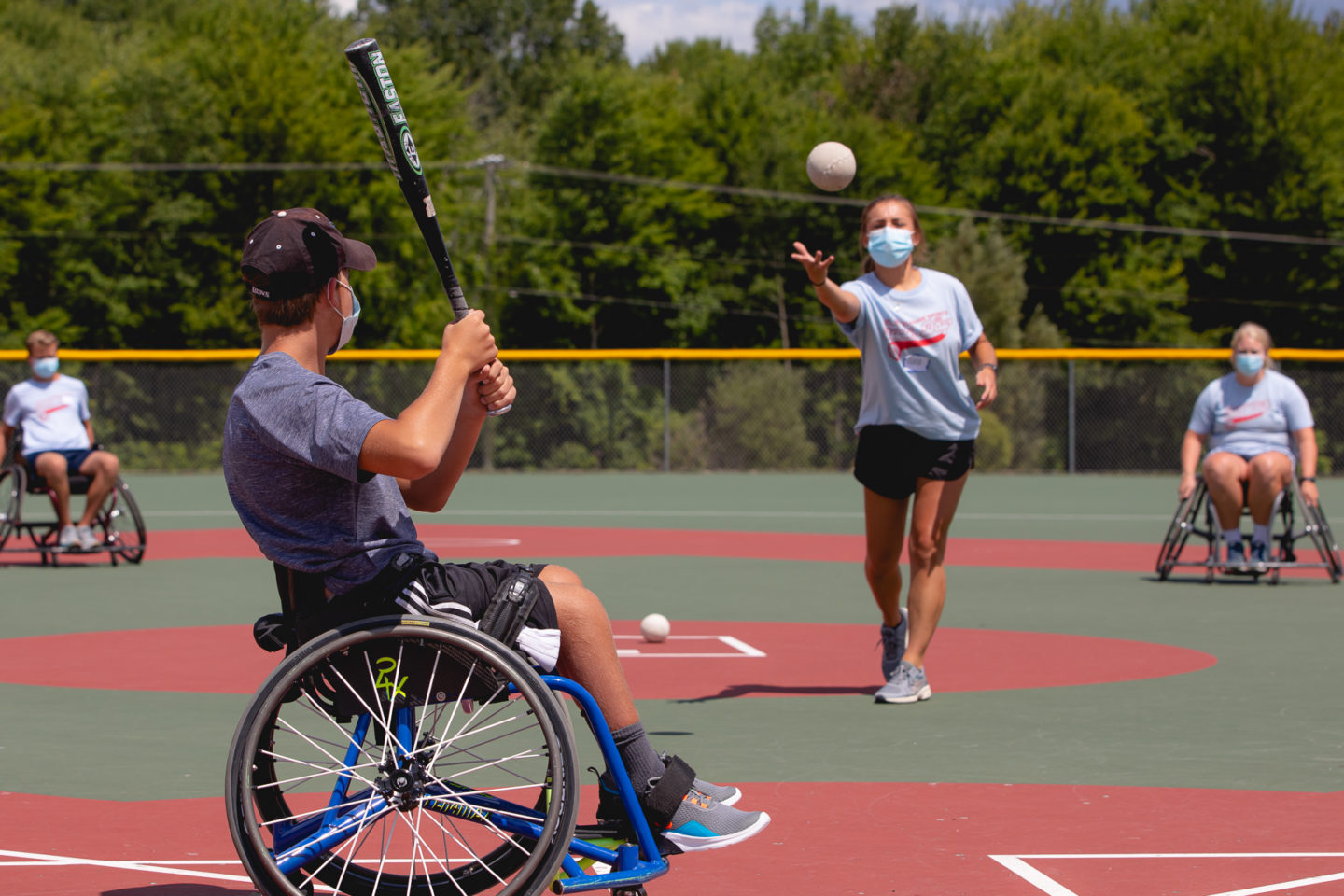
Youth participate in practices, clinics, tournaments and individual training. We help integrate athletes into school‑based adaptive programs or community leagues.
Functional Skill Integration
Sports training strengthens everyday mobility skills like transfers, propulsion, and community navigation.
Family and Peer Engagement
Families join events, clinics and mentorship opportunities to build community and support each child’s athletic journey.
What Makes Mary Free Bed Kids Adaptive Sports Unique
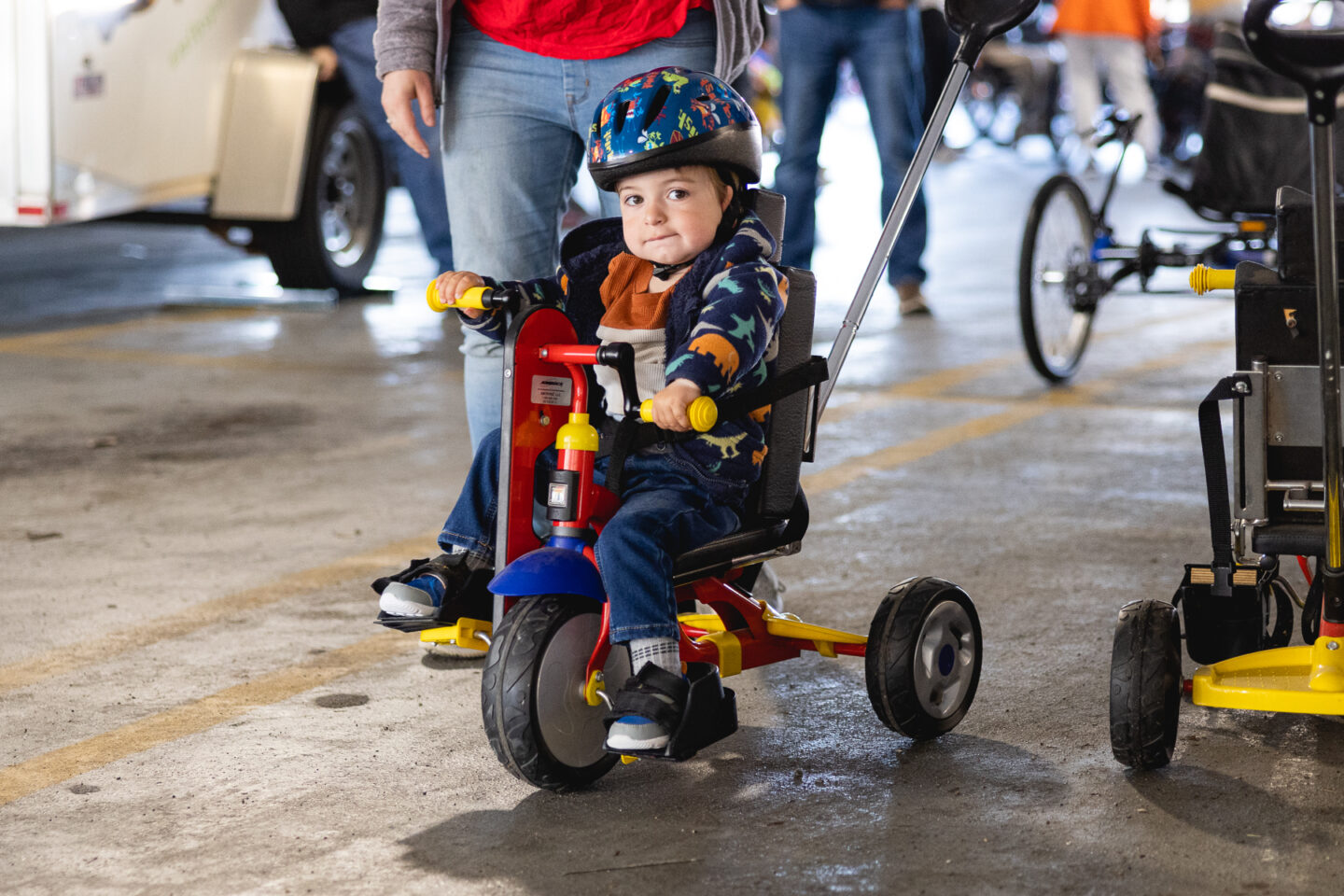
Our pediatric‑focused team understands growth, development, school involvement and play. We use advanced adaptive equipment customized for children, offer integrated rehabilitation support and connect athletes with opportunities for competition or recreation.
Our outcome‑driven approach tracks participation, endurance, mobility gains, social engagement and confidence, ensuring meaningful progress across settings.
Success Stories and Real‑World Impact
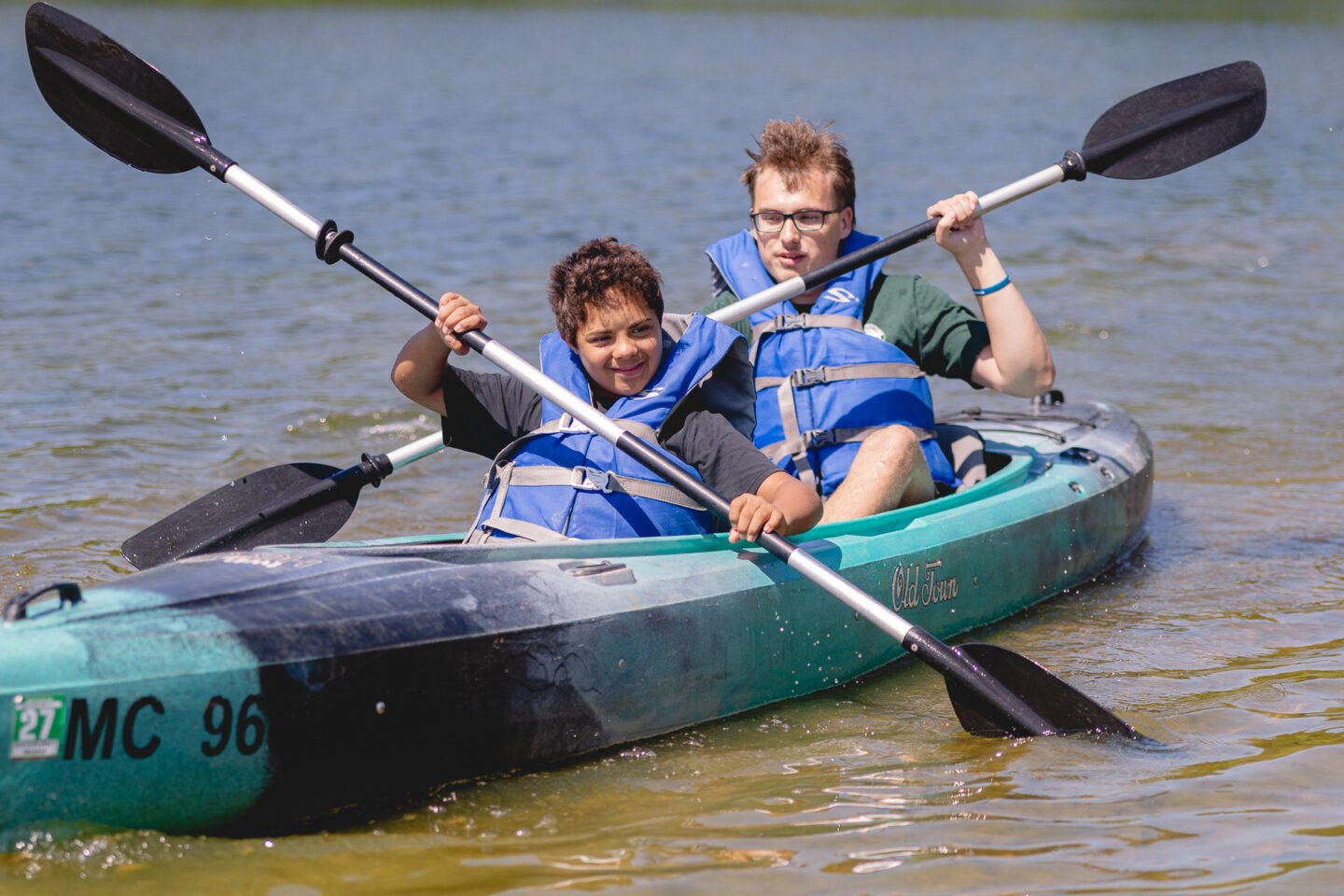
Many children discover new strengths, friendships and confidence through adaptive sports. Improved endurance, better community navigation, stronger social skills and enhanced mood are commonly reported outcomes. Some athletes progress to competitive leagues or national‑level events, while others find joy in recreational participation and physical fitness.
Getting Started
Step 1: Referral or self‑initiation
Step 2: Initial assessment
Step 3: Equipment selection and training
Step 4: Practice and clinic entry
Step 5: Team integration or competition
Step 6: Ongoing monitoring and progression
Overcoming Barriers and Supporting Families
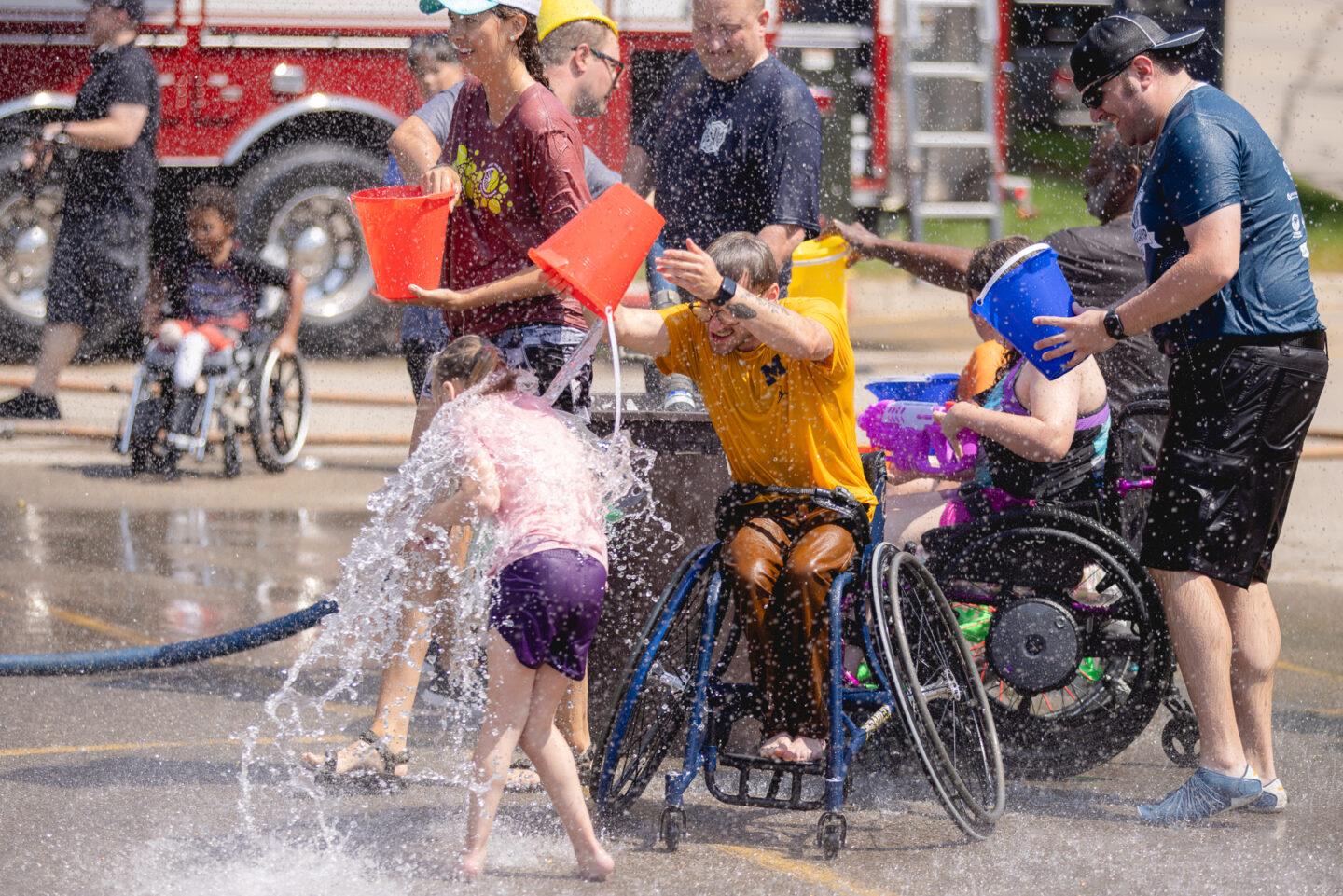
We assist families with insurance, funding, equipment trialing, travel logistics and access to peer support. Clinics and camps help children explore new sports and build community connections.
Schedule Pediatric Wheelchair Adaptive Sports
Your child deserves the chance to play, compete and thrive. Schedule an evaluation with our adaptive sports team today and let us help your child discover new possibilities, confidence and independence.