

Child Life Specialist
Child Life Specialist
Every child’s healing journey goes beyond medical care. Recovery is also an emotional journey; it’s about regaining confidence and feeling safe while navigating illness, injury or disability. At Mary Free Bed Kids, our certified child life specialist plays a vital role in pediatric rehabilitation.
A child life specialist is a trained professional who focuses on the social and emotional needs of children and families as they face medical challenges. Through developmentally appropriate education, preparation and coping strategies, this specialist helps patients—and their families—feel empowered, informed and emotionally supported at every step of their care.
What is a child life specialist?
A child life specialist is an expert in childhood development, coping skills and therapeutic support who works with children and teens facing illness, injury, hospitalization or disability. Unlike programs that focus only on physical rehabilitation, child life specialists ensure that your child’s emotional, cognitive and social needs are addressed alongside medical care. This helps make treatment experiences less stressful and more understandable.
Certified through rigorous training in child development, psychology and therapeutic techniques, the child life specialist at Mary Free Bed Kids provides:
- Developmentally appropriate education about diagnoses, procedures and rehabilitation goals
- Preparation for medical experiences to reduce anxiety and fear
- Support for siblings and family members who may also be processing medical trauma
- Coping strategies that are tailored to each child’s age and needs
- Play-based interventions that normalize the hospital environment
- Support with previous hospital experiences or medical trauma
- Emotional and social support throughout rehabilitation
Child life specialists help children make sense of their care, build confidence, and feel understood.
Why Child Life Support Matters
Children don’t experience illness and disability the same way adults do. Their understanding, fears, strengths and coping skills are shaped by their developmental stage. A child life specialist bridges the gap between care and understanding.
Here’s why this support is essential:
Emotional Well-Being
A medical experience, whether it’s surgery, therapy or repeated hospital visits, can be scary and overwhelming for children and families. Child life specialists help kids:
- Express feelings in safe and age-appropriate ways
- Understand what is happening and why
- Manage anxiety, fear and frustration
- Feel heard and supported
Developmentally Appropriate Education
Medical language can be confusing. Child life specialists explain surgeries and procedures in a way that kids can understand. This helps reduce anxiety leading up to procedures, empowering kids to feel in control.
For example:
- A preschooler might learn about equipment through play or puppets.
- A school-aged child may use visual aids or simple diagrams.
- A teen might talk to peers about their experiences.
Support for Siblings and Families
A child’s medical journey affects the entire family. Siblings can also feel confused, anxious or overlooked. Parents and caregivers may be stressed or exhausted. Child life specialists offer support for the whole family.
- They can talk to siblings about medical experiences.
- They can provide emotional support for parents and caregivers.
- They can help kids cope with trauma related to previous hospitalizations.
- Child life specialists can also provide resources for families.
How a Child Life Specialist Supports Your Child
Child life support is flexible and empathetic. It’s tailored to each child’s needs. Some common ways specialists help include:
Play and Therapeutic Activities
For kids, therapy is play-based. In rehabilitation settings, play can help children:
- Explore their feelings about pain, procedures or changes
- Build confidence in their bodies
- Express concerns and questions non-verbally
- Practice skills in a safe environment
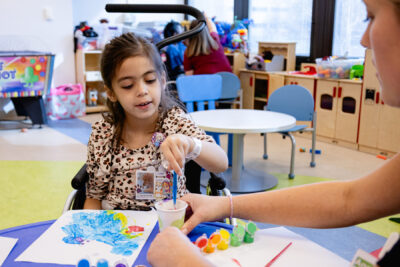
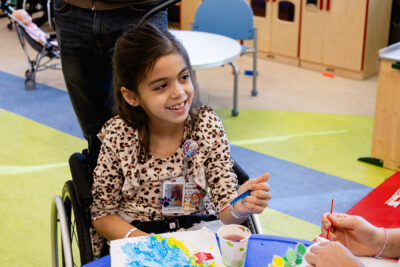
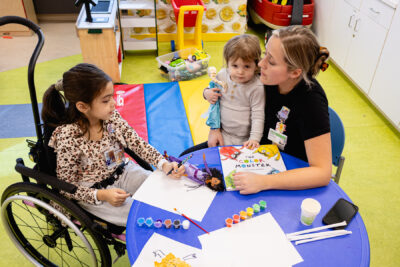
Play may take many forms: arts and crafts, games, storytelling, sensory activities or therapeutic play with medical dolls. Through play, children often unlock new ways of understanding and coping.
Preparation for Procedures and Therapy
Even familiar routines can feel stressful without understanding what to expect. A child life specialist prepares children for medical experiences by:
- Explaining upcoming procedures in a way kids can understand
- Demonstrating tools and equipment
- Allowing children to ask questions and express feelings
- Offering coping tools like guided imagery, breathing techniques or distraction strategies
This helps children approach medical experiences with less fear and greater confidence.
Coping Strategies
Children benefit from having tools they can use when they feel nervous, overwhelmed, or uncomfortable. Child life specialists teach coping strategies like:
- Deep breathing and relaxation exercises
- Visualization and distraction techniques
- Journaling or drawing feelings
- Mindfulness and self-regulation skills
- Structured routines to build predictability and comfort
Emotional Support for Previous Medical Trauma
Some children have experienced medical events that were frightening, painful, or confusing. Memories of past experiences can impact how they respond to future care. A child life specialist:
- Creates a safe space for children to talk about previous hospitalizations
- Helps children process difficult memories
- Teaches new coping skills
- Works collaboratively with therapy and medical teams to support resilience
This healing-centered approach strengthens emotional wellness and reduces fear surrounding future care.
The Role of a Child Life Specialist in Pediatric Rehabilitation
In rehabilitation, a child life specialist works closely with:
- Physicians and surgeons
- Nurses
- Physical, occupational and speech therapists
- Psychologists and neuropsychologists
- Families and caregivers
This collaborative approach to care ensures that your child’s emotional and developmental needs are part of every care plan and conversation.
What to Expect During Child Life Support
Initial Assessment
When your child begins rehabilitation, the child life specialist meets with you and your child to:
- Understand your child’s personality, preferences and concerns
- Learn about previous medical experiences or trauma
- Identify emotional or social needs
- Discuss goals
- Create a tailored support plan
This assessment is compassionate and individualized.
Ongoing Support
Working with a child life specialist is an ongoing partnership that evolves with your child’s needs:
- Specialists check in regularly with your child.
- They’ll introduce new goals and coping strategies as needed.
- Family support and education continue throughout care.
- Support extends to siblings and caregivers.
Family Education and Resources
The child life specialist also provides education and coaching for caregivers, including:
- How to talk with children about medical care in helpful ways
- How to support coping at home
- What behaviors to expect as children manage stress
- How to create predictable, comforting routines
Families leave with practical tools they can use at home, at school and in everyday life.
Child Life Support and the Medical Team
Child life support is most effective when it works in partnership with medical and therapy teams. Your child life specialist:
- Participates in care planning meetings
- Shares observations
- Helps the team understand developmental perspectives
- Advocates for child-centered interactions
- Coordinates support around challenging medical experiences
This collaboration strengthens communication, enhances engagement and reduces anxiety for children and families alike.
Supporting Siblings and Caregivers
A child’s medical experience affects the whole family. Siblings may have questions like:
- “Why does this happen to my brother/sister?”
- “Will it hurt them?”
- “Will they be the same again?”
Child Life Specialists help siblings feel heard and supported by:
- Explaining medical events in understandable ways
- Encouraging open questions and emotional expression
- Providing child-centered activities that normalize feelings
- Offering guidance for parents on how to talk with siblings.
Caregivers also benefit from working with a child life specialist.
Child Life Support and School Reintegration
Returning to school after medical care, especially after hospitalization or surgery, can be stressful. Children may worry about:
- Falling behind academically
- Being seen as “different” by classmates
- Managing physical limitations
- Explaining medical experiences to others
Child life specialists can:
- Support school planning discussions with caregivers and educators
- Help children practice talking about their experiences
- Provide social-emotional tools for managing classroom stress
- Share resources for teachers and school staff
This support strengthens confidence and encourages successful transitions.
Lifelong Skills for Emotional Wellness
Child life support teaches skills that last a lifetime. Children learn to:
- Advocate for their needs
- Communicate feelings effectively
- Understand their bodies and emotions
- Use coping strategies independently
- Build resilience
These lifelong skills benefit children in school, activities and everyday life.
How to Access Child Life Support
Your child life specialist works closely with your rehabilitation team to provide integrated support throughout your child’s care. Families don’t need a separate referral. Child life support is part of our pediatric rehabilitation services and can be accessed anytime during care.
If you have questions about child life support or want to connect with our specialist, your care team can help you get started.
Your Partner in Healing and Growth
Healing is more than recovering; it’s also about coping and connecting. At Mary Free Bed Kids, the child life specialist is here to support your child’s social and emotional well-being as they navigate illness, injury or disability.
With a collaborative, family-centered approach to care, we’re here to walk with you and your family—every step of the way.