At Home Brain Injury Rehabilitation: Exercises and Habits that Support Recovery

April 24, 2026

Returning home after brain injury rehabilitation can be filled with many emotions. Following inpatient brain injury rehabilitation, you may feel grateful as you ease back into your community and daily routine, but it’s also natural to feel a little scared as you adjust to new challenges. You may grieve the loss of certain strengths or abilities. You can even feel excited as you continue to regain independence.

It can be difficult to transition home after you leave Mary Free Bed. Inpatient rehab gives you a consistent routine for therapy, medication and meals. Graduating from an inpatient rehab to return home is a huge accomplishment, but it’s also just one step in a larger journey in recovery.

Brain injuries aren’t a one-time event; they can impact your functioning for the rest of your life. An inpatient rehab stay is a great way to get back on your feet after the initial injury, but often there’s more work to be done after returning home to achieve your greatest level of independence.

Recovery looks different for everyone based on the severity of their injury. Research shows that the first six months after a brain injury are the most important for recovery. It’s during this time that patients and family will see the most rapid and significant improvement. A stay in inpatient rehab is typically only a fraction of this time frame, and there’s certainly opportunity for continued growth, even years after the initial brain injury. Many patients will be referred to outpatient or home care therapy to continue making progress. However, it’s important to make the most of this time frame by continuing your rehabilitation journey beyond the hospital and therapy clinic.

Neuroplasticity and Me

One of the guiding concepts of brain injury recovery is the idea of neuroplasticity, the brain’s ability to make new connections around damaged tissue. The brain is a self-healing organ and it’s remarkably resilient. This means that with the right kinds of exercises and care, the brain can bounce back after injury.

Although it isn’t possible to revive brain tissue that has died from a brain injury, it’s possible to create new pathways for functions that have been lost.

One way to promote and use the effects of neuroplasticity at home is to practice the activities and tasks that are challenging for you after your brain injury. As a care partner, it can be easy to jump in and complete these activities for your loved one, like pulling up their pants for them after using the bathroom or ordering for them at a restaurant. Although this comes from a place of wanting to help your loved one, it can be more helpful to empower them to perform this task on their own, even if it takes more time. It’s only through practice and exposure to these types of tasks that a survivor will get better at doing them.

You don’t need fancy equipment to continue your rehabilitation at home; there are endless opportunities with the items you probably already have or items that your family members or friends might be willing to lend you.

The following exercises and activities are organized by areas of challenge; they address various skills at once. These ideas aren’t medical advice; always check with your therapist or doctor to make sure these are appropriate before giving them a try.

Strength and Range of Motion Exercises After Brain Injury

When working to improve strength and range of motion after a brain injury, completing the home exercise program provided by your therapists is an excellent first step. Other suggestions include:

  • Try arm and leg exercises using a TheraBand.
  • Strengthen your hands and fingers with Theraputty.
  • Have a loved one assist you with passive range of motion exercises or try to complete self-range of motion exercises yourself.

Fine Motor Exercises for Brain Injury Recovery

Fine motor skills are complex, but the exercises don’t have to be! There are many everyday tasks and items that can be used to help improve fine motor coordination. Any of the following exercises can be completed using items you might find around your home.

  • Place coins or buttons on the table and flip them over one by one; try not to slide them off the edge of the table.
  • Practice fastening buttons or zippers on your clothing.
  • Thread a sewing needle.
  • Make a bracelet or necklace.
  • Mix small beads into Theraputty or play dough and pick them out one by one.
  • Sort a deck of cards by suit or play a card game; if this is too cognitively challenging, sort the cards in the deck by color or number. You can also work on picking up one card from the pile at a time to make a new pile.

Gross Motor Exercises to Improve Coordination

The term “gross motor skills” refers to movements performed by larger muscle groups. However, the exercises don’t have to be strenuous to be effective. Even going for a quick

walk can help improve your coordination. Household chores are also an excellent opportunity to give your gross motor skills a workout, you can:

  • Put dishes away in an overhead cupboard or sort items in the pantry.
  • Stack cans or plastic cups in various patterns.
  • Fold the laundry.
  • Use a rag or towel to clean tables, countertops, mirrors and other surfaces.

Cognition Exercises After Brain Injury

Most language functions are housed in the left hemisphere. When a stroke affects this side of the brain, Cognition is an important area of recovery after brain injury, but it can be hard to know how your cognitive skills. One of the most important things is to be patient and consistently remind yourself that this isn’t a personal failing—it’s an impact of the brain injury. You can also get creative with your cognitive exercises! If you’re struggling with where to start, try out any of the ideas listed below.

  • Make a grocery list for the week.
  • Write a letter to a loved one and address the letter.
  • Assemble a Lego set.
  • Fill out a calendar with your medical and social appointments for the month.
  • Complete activity books like crossword puzzles or mazes.
  • Choose a recipe to cook, make a list of the ingredients, buy them from the grocery store with a loved one. Cook the new recipe together.
  • Use checklists or calendars to keep track of your appointments and reminders.

Vision Exercises After Brain Injury

Vision changes can be confusing, so it’s extremely important to check in with your therapist or doctor before completing any of these activities. Be sure to take lots of breaks and don’t push yourself—when it comes to vision, less is more. Here are some simple ways you can challenge your vision. · Complete word searches or I Spy picture books.

  • Make a list of items you know you’ll find in your pantry, refrigerator or even your junk drawer, then use the list to find them. If you really want to challenge yourself, use a stopwatch to see how quickly you can find everything.
  • Practice reading, starting with large print and progressing to smaller text size.

Five Healthy Habits That Support Brain Injury Recovery

Returning home after being in the hospital can be more challenging than we anticipate; be patient with yourself and give yourself grace. Below, you’ll find a list of helpful tips and habits that can help structure your day as you adjust to being back home. These activities and tips can help you make the most out of your brain injury recovery.

  • Practice good sleep hygiene. Go to bed and wake up at the same time each day to maintain a consistent sleep schedule. Limit or eliminate using screens an hour before bed or use blue light glasses. Sleep in a dark room and use a relaxing sound machine or guided meditation to help you fall asleep if needed.
  • Limit the number of visitors during your first week back home. It can be overstimulating to have guests, and some people may not fully understand the impact of a brain injury.
  • Create a routine for your day. Make yourself a schedule, note when you take your meds and work on therapy. Be sure to include time for rest between chores and errands.
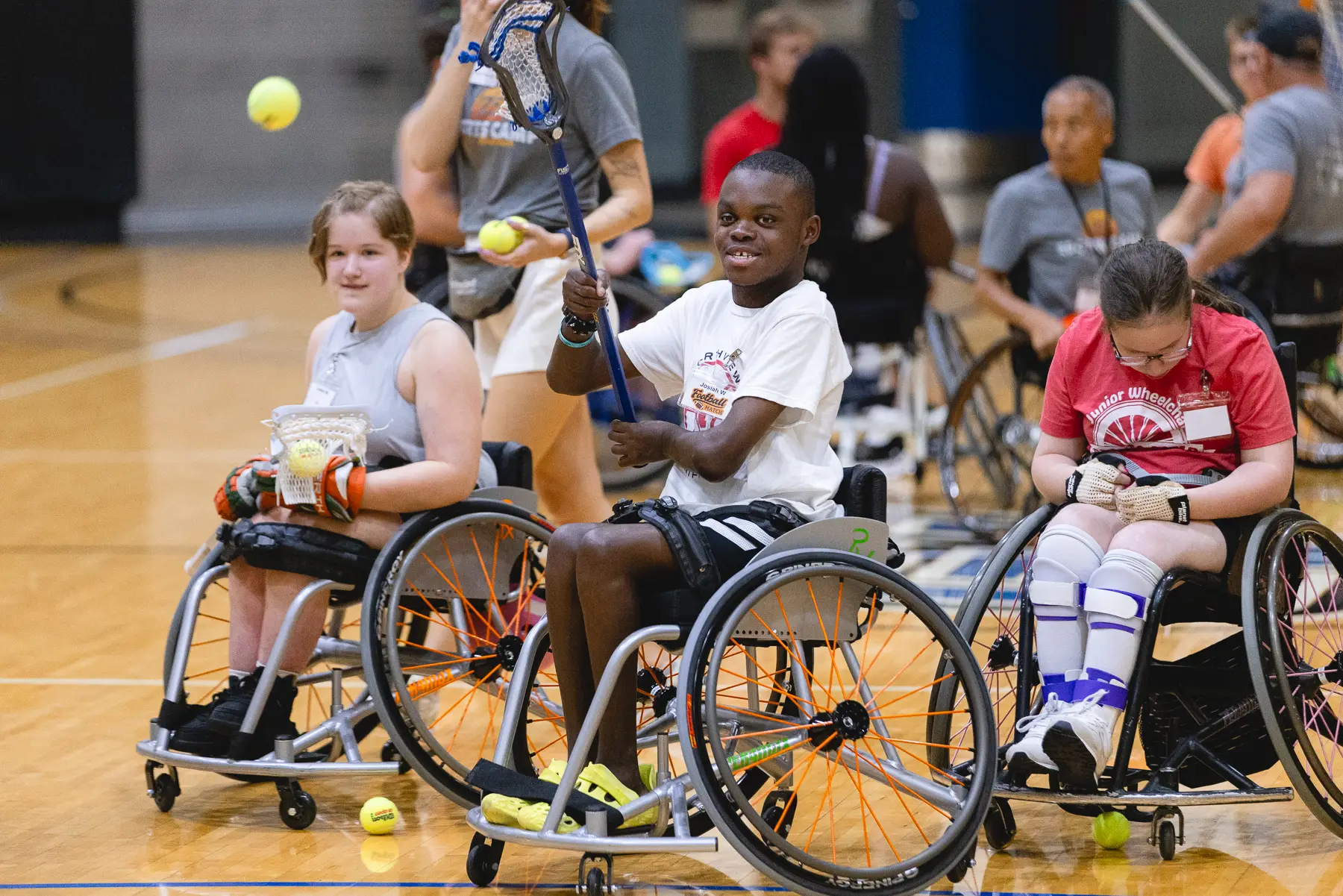
  • Stay active! Make sure to keep moving, join adaptive sports or try a new form of exercise. Pay attention to your diet, avoid alcohol and smoking or vaping
  • Join a support group for brain injury survivors (or caregivers). Recovery and community go hand-in-hand. Brain injuries may be complex, but support groups give you the chance to talk with people who get it. Talk to a trusted friend or seek professional guidance if needed. Brain injuries are a life-changing event, not only for patients but also for their loved ones, and it an be helpful to process it with someone who is trained to help.

Discharging from Mary Free Bed is a huge step toward independence, but your recovery journey is ongoing. Continue to work hard and take it one day at a time. Remember, your therapy team is still cheering you on. Welcome home!

About Rachel

Rachel Daley earned her Master of Science in occupational therapy from Saginaw Valley State University in 2022. She practiced for two years in the acute care setting before joining the team at Mary Free Bed as a neurologic occupational therapy fellow. Her passion for treating neurological conditions and love of learning inspired her to seek out Mary Free Bed’s Occupational Therapy Fellowship. Throughout her time at Mary Free Bed, she’s been able to grow in her knowledge as an OT in the areas of inpatient stroke, brain injury, spinal cord injury and outpatient neuro therapy. She’s passionate about empowering her patients to reach their full potential.

Sources

Understanding TBI: Part 3 – The Recovery Process | Model Systems Knowledge Translation Center. (2019). Msktc.org. https://msktc.org/tbi/factsheets/understanding-tbi-part-3-recovery-process

Share This Post

Related Posts