
POTS (Postural Orthostatic Tachycardia Syndrome)
Restoring Hope and Freedom

Understanding, Managing and Supporting Children with POTS
POTS (Postural Orthostatic Tachycardia Syndrome) is a medical condition that impacts how the nervous system regulates blood flow in the body, especially when a child moves from lying down or sitting to standing up. In children and teens with POTS, the heart beats faster than expected when they stand, and they may feel dizzy, tired, or even faint. Although POTS can be confusing and uncomfortable, the good news is that it’s possible to manage symptoms successfully with the right care team and therapies.
Mary Free Bed Kids provides comprehensive, kid-centered support for children and teens living with POTS. Our specialists work with families to understand each child’s symptoms and develop personalized care plans. Each treatment plan is designed to help kids and teens stay active, engaged and confident as they navigate daily life.
What is POTS?
POTS is one type of dysautonomia, a group of conditions that involve the autonomic nervous system (ANS). The ANS controls automatic functions like heart rate, blood pressure, digestion and temperature regulation. In POTS, the body doesn’t adjust to changes in posture, especially moving from sitting or lying down up to standing.
Most times, when someone stands up:
- Blood pools slightly in the lower body due to gravity.
- To keep blood flowing to the brain, the heart and nervous system adjust.
- The heart rate increases to keep up with additional blood flow.
For children with POTS:
- The heart rate rises more than expected (often >30 beats per minute in adolescents or >40 in younger children within 10 minutes of standing).
- Symptoms like dizziness, fatigue, headache, nausea and difficulty concentrating may occur.
- Blood pressure doesn’t stabilize right away.
POTS can interfere with school, sports or daily routines—but with proper evaluations and support, many children improve significantly.
What Causes POTS?
The exact cause of POTS isn’t always clear, but there are some common factors.
Nervous System Imbalance
Sometimes, the autonomic nervous system doesn’t send the correct signals to maintain steady blood flow when a child stands up.
Blood Volume Differences
Some kids with POTS have lower blood volume, meaning less fluid is circulating in the body, which can trigger faster heart rate responses.
Viral Illness or Physical Stress
POTS sometimes develops after a virus, surgery or illness, which may temporarily affect the nervous system.
Genetic Factors
Some forms of POTS seem to run in families, suggesting a genetic component.
Joint Hypermobility
Children and teens with connective tissue differences (like Ehlers-Danlos syndrome) sometimes have POTS alongside joint laxity.
Every child’s unique. A thorough evaluation helps determine which factors may contribute to their symptoms.
Signs and Symptoms
Children and teens with POTS may experience a variety of symptoms that can interfere with comfort and daily life. These symptoms often happen when sitting up, standing, or during periods of activity.
Common Symptoms
- Lightheadedness or dizziness, especially when standing
- Rapid heartbeat (palpitations)
- Fatigue or low energy
- Blurred vision or headache
- Nausea or stomach discomfort
- Difficulty concentrating (often called “brain fog”)
- Exercise intolerance
Less Common Symptoms
- Shakiness
- Excessive sweating
- Cold hands or feet
- Fainting (syncope)
- Sleep disturbances
Symptoms can vary throughout the day and may worsen after meals or during prolonged standing. Heat may also increase symptoms. Sometimes, symptoms can overlap with anxiety, migraines or chronic fatigue, which is why accurate evaluation and diagnosis are crucial.
How is POTS Diagnosed?
POTS can be challenging to diagnose because symptoms overlap with other conditions. However, pediatric specialists use a combination of clinical history and medical tests to confirm the diagnosis.
Detailed Medical History
Our team gathers a thorough history of symptoms, timing, triggers and how they affect daily life.
Physical Exam and Orthostatic Testing
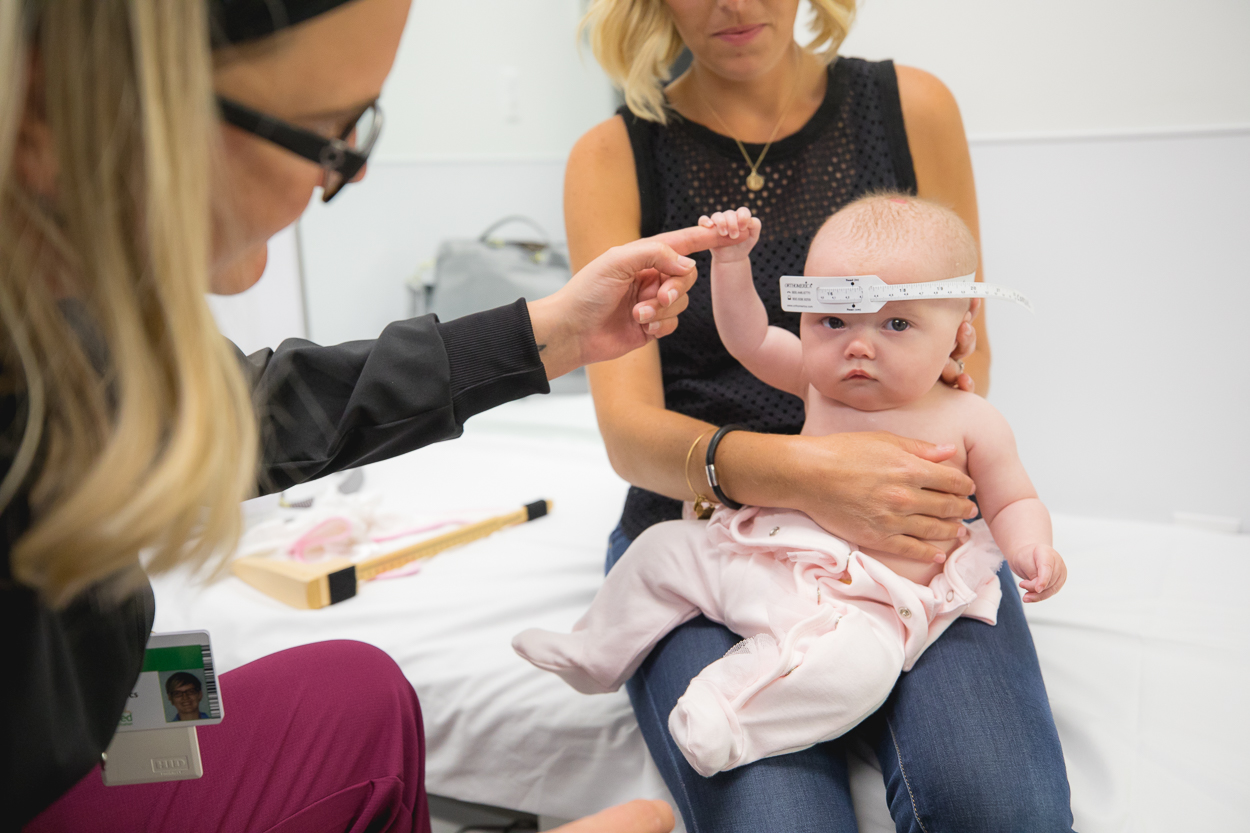
Doctors perform vital sign measurements while your child is lying down and standing. They’ll monitor how your child’s heart rate and blood pressure change over time.
Tilt Table Test
In some cases, a tilt table test may be used in a controlled environment to observe heart rate and blood pressure responses when the body is tilted upright.
Additional Tests
Blood work and autonomic function tests may be ordered to rule out other causes and understand related factors like blood volume and electrolyte balance.
The earlier POTS is identified, the sooner a tailored care plan can begin.
Therapy and Treatment Options
There is no “one-size-fits-all” treatment for POTS, but many children improve significantly with a personalized combination of therapies, lifestyle changes, and medical support. At our pediatric rehabilitation hospital, we partner with families to build solutions that fit each child’s life, goals, and strengths.
Physical Therapy for POTS
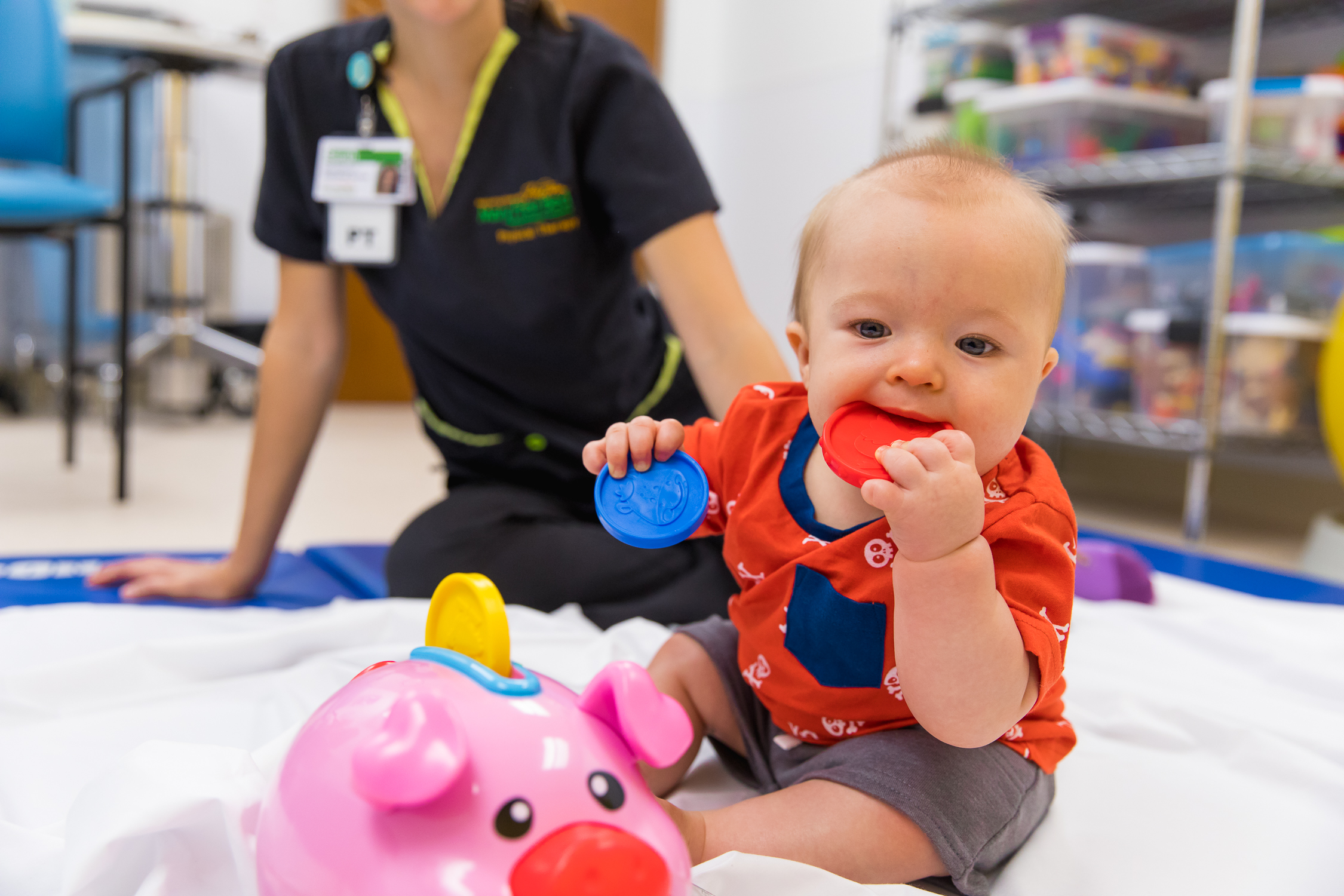
Physical therapists play a key role in POTS care. They’ll develop a personalized exercise program that’s structured in a way to help your child increase their tolerance for physical exertion without overwhelming their symptoms.
Goals of Physical Therapy
- Gradual progression of upright tolerance
- Improved cardiovascular endurance
- Muscle strengthening (especially legs and core)
- Functional movement for daily tasks
Physical therapy plans typically start with:
- Recumbent exercises (like recumbent cycling or rowing)
- Light strength training
- Heart rate monitoring during activity
- Gradual increments over time
With consistent physical therapy, children can increase their stamina and reduce symptom severity.
Medication Management
Medications may be prescribed to help regulate heart rate, blood pressure or improve blood volume, depending on each child’s needs. Medications commonly used in POTS care can include:
- Beta-blockers
- Fludrocortisone
- Midodrine
- Pyridostigmine
Medication is only one part of the treatment plan and will be monitored continually.
Lifestyle Adjustments
Daily strategies can make a significant difference:
- Slow transitions from lying to standing
- Compression stockings
- Frequent, small meals
- Regular sleep schedule
- Avoiding long periods of standing
- Avoiding heat or stress
At Mary Free Bed Kids, families are an important part of the therapy team. We’ll teach you how to incorporate these strategies into your family’s daily life without creating anxiety around activities.
Supporting a Child With POTS
Children and teens with POTS may face challenges at school, especially during long periods of standing (like lunch lines or assemblies).
School Support Strategies
- Flexible scheduling and breaks
- Access to water and rest spots
- Modified physical education participation
- 504 plans or individualized educational plans (IEPs)
We work with families and schools to create supportive learning environments.
Addressing the Whole Child
Living with a chronic condition can be stressful for children and families. At Mary Free Bed Kids, we know that mental health is just as important as physical health.
We provide:
- Emotional support and counseling
- Strategies for coping with symptoms
- Tools for building confidence and participation in social activities
- Education for siblings and peers
Stories of Progress
Every child’s journey with POTS is different, but progress often includes:
- Better tolerance for standing and walking
- Less dizziness during daily activities
- Increased energy throughout the day
- Successful participation in school
- Increased confidence and independence
Children and teens with POTS need extra support to feel their best, but improvements are possible with time and a consistent treatment plan. Many children with POTS grow to lead active, fulfilling lives.
Partnering With Families
Mary Free Bed Kids is committed to helping kids thrive.
We partner with families to:
- Understand each child’s unique symptoms
- Build individualized care plans
- Support academic and social success
- Celebrate progress and resilience
You’re not alone. We’re here with you throughout every step of your child’s rehabilitation journey.
Schedule CarePartnering With Families
Mary Free Bed Kids is committed to helping kids thrive.
We partner with families to:
- Understand each child’s unique symptoms
- Build individualized care plans
- Support academic and social success
- Celebrate progress and resilience
You’re not alone. We’re here with you throughout every step of your child’s rehabilitation journey.
Schedule CarePartnering With Families
Mary Free Bed Kids is committed to helping kids thrive.
We partner with families to:
- Understand each child’s unique symptoms
- Build individualized care plans
- Support academic and social success
- Celebrate progress and resilience
You’re not alone. We’re here with you throughout every step of your child’s rehabilitation journey.
Schedule CarePartnering With Families
Mary Free Bed Kids is committed to helping kids thrive.
We partner with families to:
- Understand each child’s unique symptoms
- Build individualized care plans
- Support academic and social success
- Celebrate progress and resilience
You’re not alone. We’re here with you throughout every step of your child’s rehabilitation journey.
Schedule CarePartnering With Families
Mary Free Bed Kids is committed to helping kids thrive.
We partner with families to:
- Understand each child’s unique symptoms
- Build individualized care plans
- Support academic and social success
- Celebrate progress and resilience
You’re not alone. We’re here with you throughout every step of your child’s rehabilitation journey.
Schedule CarePartnering With Families
Mary Free Bed Kids is committed to helping kids thrive.
We partner with families to:
- Understand each child’s unique symptoms
- Build individualized care plans
- Support academic and social success
- Celebrate progress and resilience
You’re not alone. We’re here with you throughout every step of your child’s rehabilitation journey.
Schedule CarePartnering With Families
Mary Free Bed Kids is committed to helping kids thrive.
We partner with families to:
- Understand each child’s unique symptoms
- Build individualized care plans
- Support academic and social success
- Celebrate progress and resilience
You’re not alone. We’re here with you throughout every step of your child’s rehabilitation journey.
Schedule CareFrequently Asked Questions (FAQs)
Here are some common questions we hear from people who are curious about the Inpatient and Outpatient POTS (Postural Orthostatic Tachycardia Syndrome) Therapy Program. You can reach out to your treatment team if you have specific questions or concerns.
What’s the difference between POTS and “just fainting?”
Fainting can happen in many pediatric conditions. In POTS, the heart rate increases significantly upon standing without major drops in blood pressure. Symptoms of POTS go beyond fainting, including brain fog and fatigue. When combined, these symptoms can significantly impact daily life.
Can kids with POTS participate in sports?
Yes. However, participation may need to be modified at first. Your child’s physical therapist can provide recommendations.
Is POTS permanent?
Some children and teens improve significantly with therapy, lifestyle changes and time. Others may experience symptoms longer. Many children see symptom reduction as they grow.


Ready to Get Started With Mary Free Bed?
Wherever your child is on their rehabilitation journey, we’re here to help every step of the way. Our pediatric specialists are ready to listen, support and guide your family through recovery. Whether your child is just beginning treatment or continuing progress from earlier care, our team is committed to encouraging their growth, celebrating milestones and supporting every goal—big and small.
Our Locations
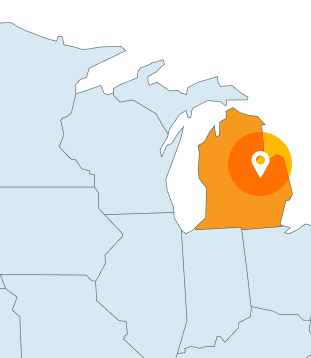
Great Lakes Bay Region
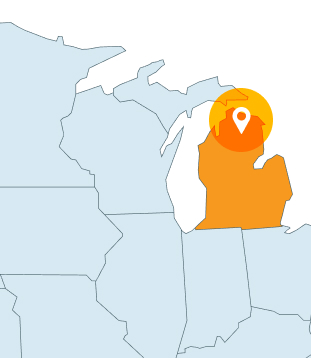
Northern Michigan
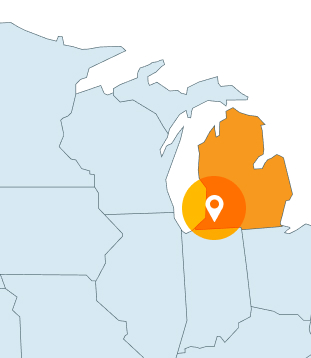
Southwest Michigan
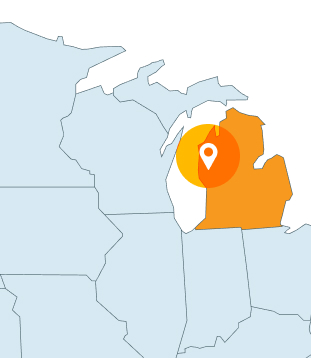
West Michigan
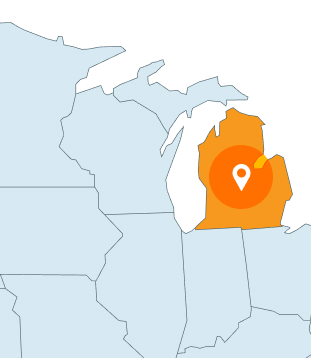
Mid-Michigan
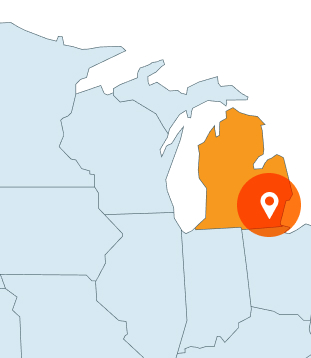
Southeast Michigan
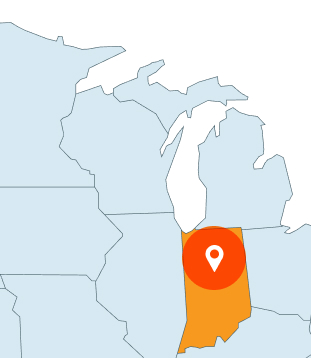
Indiana
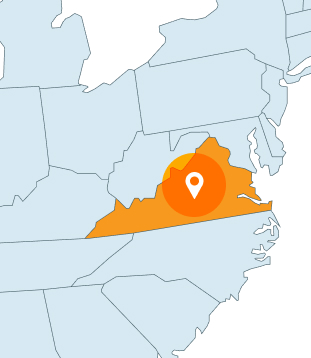
Virginia