
Brachial Plexus
Restoring Hope and Freedom
After a brachial plexus injury, the team at Mary Free Bed Kids can help kids and teens regain strength and mobility in their affected hand or arm.
Overview
A brachial plexus injury is a nerve injury that can cause muscle weakness in your child’s arm or hand, affecting everyday activities such as play, school and self-care. The brachial plexus is a network of nerves that originates in the spinal cord and extends through the neck, shoulder and arm. These nerves control movement and sensation in the upper extremities, including the shoulder, arm and hand.
Injuries to the brachial plexus can occur for several reasons, including trauma, birth injuries and tumors. The severity and type of injury can vary widely—from mild nerve stretching to complete nerve detachment.
Injuries to the brachial plexus can occur for several reasons, including trauma, birth injuries and tumors. The severity and type of injury can vary widely—from mild nerve stretching to complete nerve detachment.

Types of Brachial Plexus Injuries
The most common types of brachial plexus injuries include:
- Neurapraxia: The least severe type, involving temporary disruption of nerve fibers. Symptoms include weakness, numbness and tingling in the affected limb, often resolving within weeks or months.
- Neuropraxia: This slightly more severe injury also disrupts nerve fibers but requires a longer recovery time—sometimes several months.
- Rupture: A complete tear of the nerve fibers, resulting in total loss of muscle function in the affected limb.
- Avulsion: The most severe type, involving detachment of the nerve from the spinal cord. Often caused by trauma, this type of injury has a poor prognosis for recovery.
Medical Causes
The brachial plexus—a bundle of nerves in the neck area of the spinal cord—can be injured in different ways. In children, brachial plexus injuries most often occur during birth due to stretching or compression of the nerves.Types of Brachial Plexus Injuries
The most common types of brachial plexus injuries include:
- Neurapraxia: The least severe type, involving temporary disruption of nerve fibers. Symptoms include weakness, numbness and tingling in the affected limb, often resolving within weeks or months.
- Neuropraxia: This slightly more severe injury also disrupts nerve fibers but requires a longer recovery time—sometimes several months.
- Rupture: A complete tear of the nerve fibers, resulting in total loss of muscle function in the affected limb.
- Avulsion: The most severe type, involving detachment of the nerve from the spinal cord. Often caused by trauma, this type of injury has a poor prognosis for recovery.
Medical Causes
The brachial plexus—a bundle of nerves in the neck area of the spinal cord—can be injured in different ways. In children, brachial plexus injuries most often occur during birth due to stretching or compression of the nerves.Treatment Options
Treatment for brachial plexus injuries depends on the severity of the injury and which nerves are affected.
Surgical Interventions
In some cases, nerve repair may be possible, involving surgical reattachment or repair of the damaged nerve fibers. More severe cases may require nerve grafts or nerve transfers to restore function.- Nerve Transfers: A healthy nerve, such as the thoracic nerve, may be transferred to restore arm and hand function. The transferred nerve connects to remaining healthy nerve fibers, helping regain muscle movement.
- Nerve Grafts: A healthy nerve from another part of the body is grafted onto the damaged nerve fibers, acting as a bridge to restore function.
Rehabilitation and Recovery
Rehabilitation with physical therapists or occupational therapists plays a vital role in recovery after brachial plexus surgery or injury. The goal is to restore as much strength, range of motion and function as possible in the affected arm, shoulder and hand. Conservative treatments may include:- Physical or occupational therapy to improve strength and mobility
- Bracing to stretch and maintain range of motion
- Splinting
- Massage therapy
- Kinesiotaping
- Pool therapy
- Threshold electrical stimulation (TES)
- Neuromuscular electrical stimulation (NMES)
Treatment Options
Treatment for brachial plexus injuries depends on the severity of the injury and which nerves are affected.
Surgical Interventions
In some cases, nerve repair may be possible, involving surgical reattachment or repair of the damaged nerve fibers. More severe cases may require nerve grafts or nerve transfers to restore function.- Nerve Transfers: A healthy nerve, such as the thoracic nerve, may be transferred to restore arm and hand function. The transferred nerve connects to remaining healthy nerve fibers, helping regain muscle movement.
- Nerve Grafts: A healthy nerve from another part of the body is grafted onto the damaged nerve fibers, acting as a bridge to restore function.
Rehabilitation and Recovery
Rehabilitation with physical therapists or occupational therapists plays a vital role in recovery after brachial plexus surgery or injury. The goal is to restore as much strength, range of motion and function as possible in the affected arm, shoulder and hand. Conservative treatments may include:- Physical or occupational therapy to improve strength and mobility
- Bracing to stretch and maintain range of motion
- Splinting
- Massage therapy
- Kinesiotaping
- Pool therapy
- Threshold electrical stimulation (TES)
- Neuromuscular electrical stimulation (NMES)
Physical and Occupational Therapy
Physical therapy is a cornerstone of rehabilitation after a brachial plexus nerve graft.
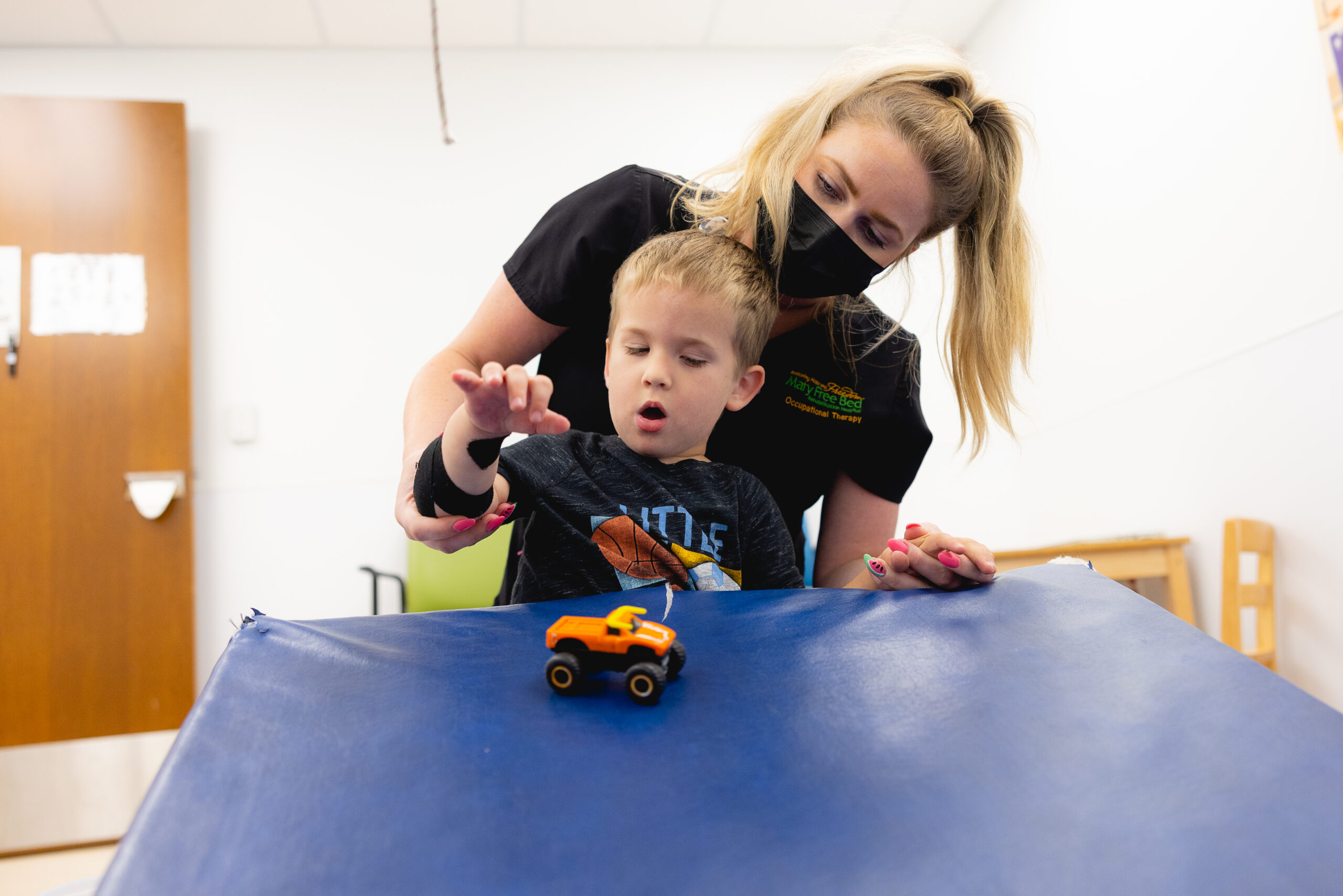
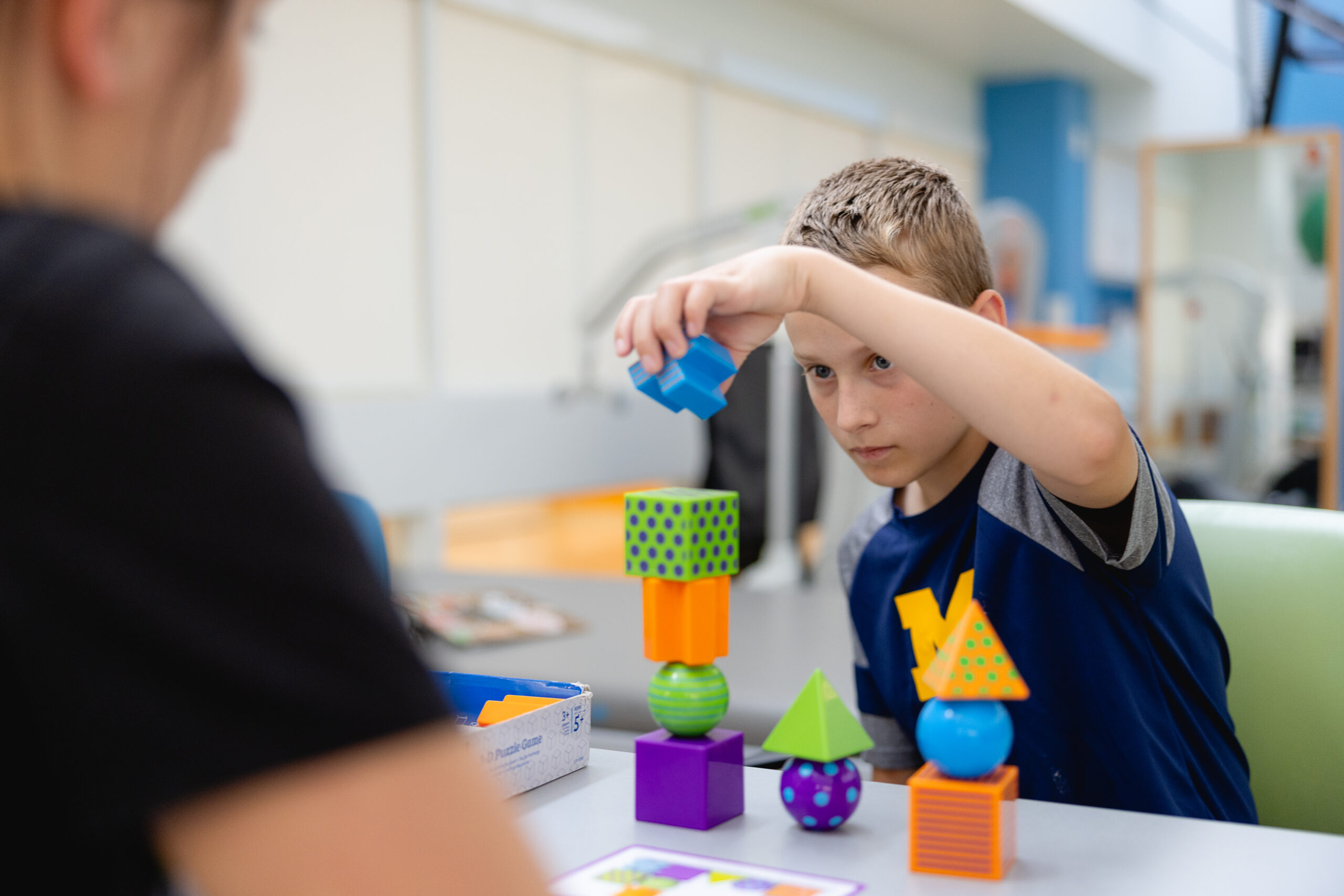
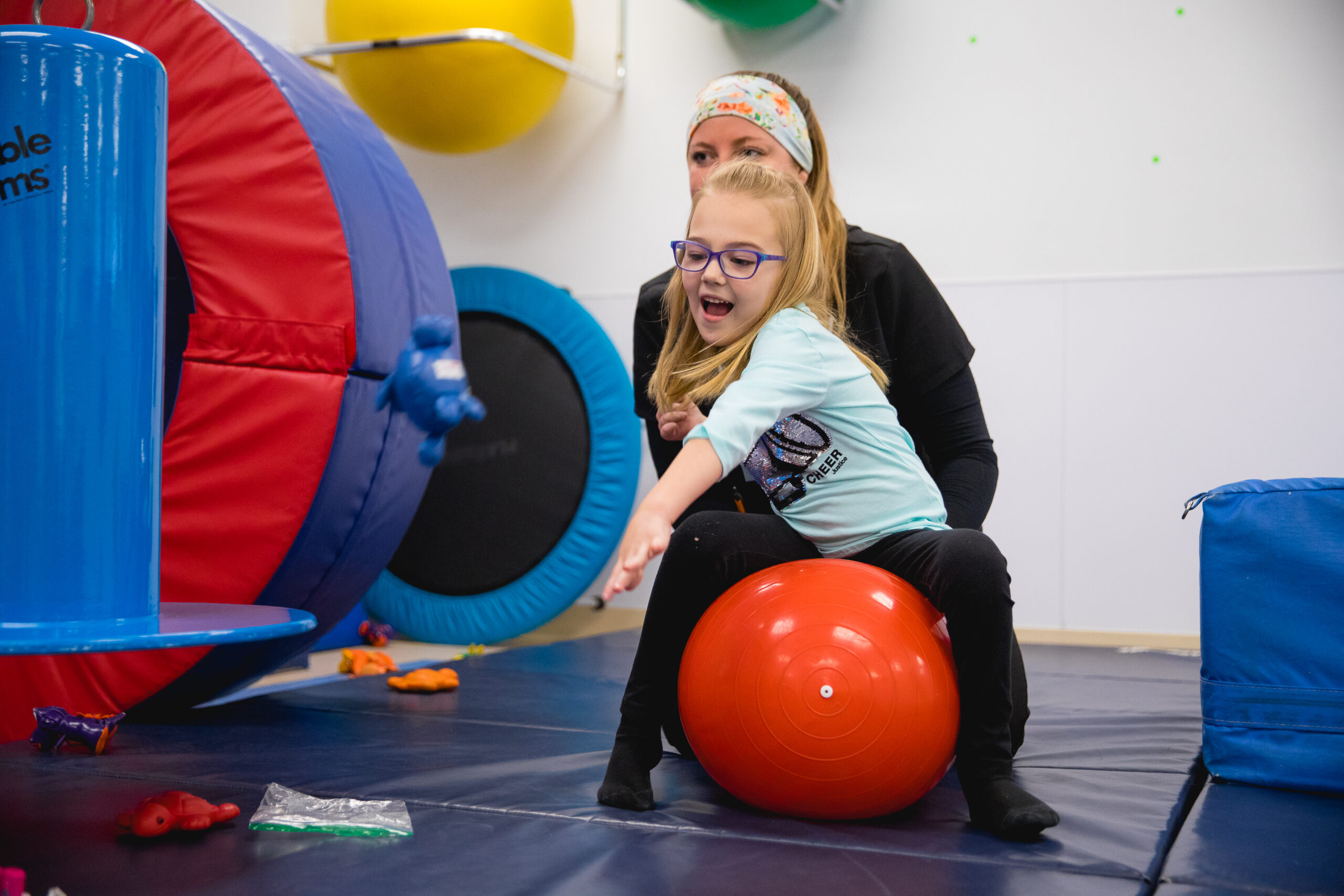
Occupational therapy focuses on helping your child adapt daily activities—dressing, grooming, eating and play—using the affected arm. Your Mary Free Bed therapist will guide exercises to improve range of motion, strength and coordination, including stretching, strengthening and fine motor skill activities like gripping and grasping.
Occupational therapy focuses on helping your child adapt daily activities—dressing, grooming, eating and play—using the affected arm. Your Mary Free Bed therapist will guide exercises to improve range of motion, strength and coordination, including stretching, strengthening and fine motor skill activities like gripping and grasping.
Timing and Expectations for Recovery
The start of rehabilitation depends on the type of surgery and your child’s healing progress. Therapy often begins a few weeks after surgery and gradually increases in intensity and duration. Recovery may take many months or even years and could involve additional interventions along the way.
Your Mary Free Bed therapist will help set realistic goals and develop a personalized treatment plan to support your child’s individual needs and progress.
Your Mary Free Bed therapist will help set realistic goals and develop a personalized treatment plan to support your child’s individual needs and progress.
Schedule an Appointment
If your child has experienced a brachial plexus injury, our expert Pediatric Rehabilitation Team is here to help. Contact Mary Free Bed Kids today to schedule an appointment and begin your child’s journey toward recovery and independence.
Schedule Care
Schedule Care
Schedule an Appointment
If your child has experienced a brachial plexus injury, our expert Pediatric Rehabilitation Team is here to help. Contact Mary Free Bed Kids today to schedule an appointment and begin your child’s journey toward recovery and independence.
Schedule Care
Schedule Care
Schedule an Appointment
If your child has experienced a brachial plexus injury, our expert Pediatric Rehabilitation Team is here to help. Contact Mary Free Bed Kids today to schedule an appointment and begin your child’s journey toward recovery and independence.
Schedule Care
Schedule Care
Schedule an Appointment
If your child has experienced a brachial plexus injury, our expert Pediatric Rehabilitation Team is here to help. Contact Mary Free Bed Kids today to schedule an appointment and begin your child’s journey toward recovery and independence.
Schedule Care
Schedule Care
Schedule an Appointment
If your child has experienced a brachial plexus injury, our expert Pediatric Rehabilitation Team is here to help. Contact Mary Free Bed Kids today to schedule an appointment and begin your child’s journey toward recovery and independence.
Schedule Care
Schedule Care
Schedule an Appointment
If your child has experienced a brachial plexus injury, our expert Pediatric Rehabilitation Team is here to help. Contact Mary Free Bed Kids today to schedule an appointment and begin your child’s journey toward recovery and independence.
Schedule Care
Schedule Care
Schedule an Appointment
If your child has experienced a brachial plexus injury, our expert Pediatric Rehabilitation Team is here to help. Contact Mary Free Bed Kids today to schedule an appointment and begin your child’s journey toward recovery and independence.
Schedule Care
Schedule Care

Ready to Get Started With Mary Free Bed?
Wherever your child is on their rehabilitation journey, we’re here to help every step of the way. Our pediatric specialists are ready to listen, support and guide your family through recovery. Whether your child is just beginning treatment or continuing progress from earlier care, our team is committed to encouraging their growth, celebrating milestones and supporting every goal—big and small.
Our Locations
Great Lakes Bay Region

Northern Michigan

Southwest Michigan

West Michigan

Mid-Michigan

Southeast Michigan

Indiana

Virginia