Dorsal Rhizotomy
Restoring Hope and Freedom
What is dorsal rhizotomy?
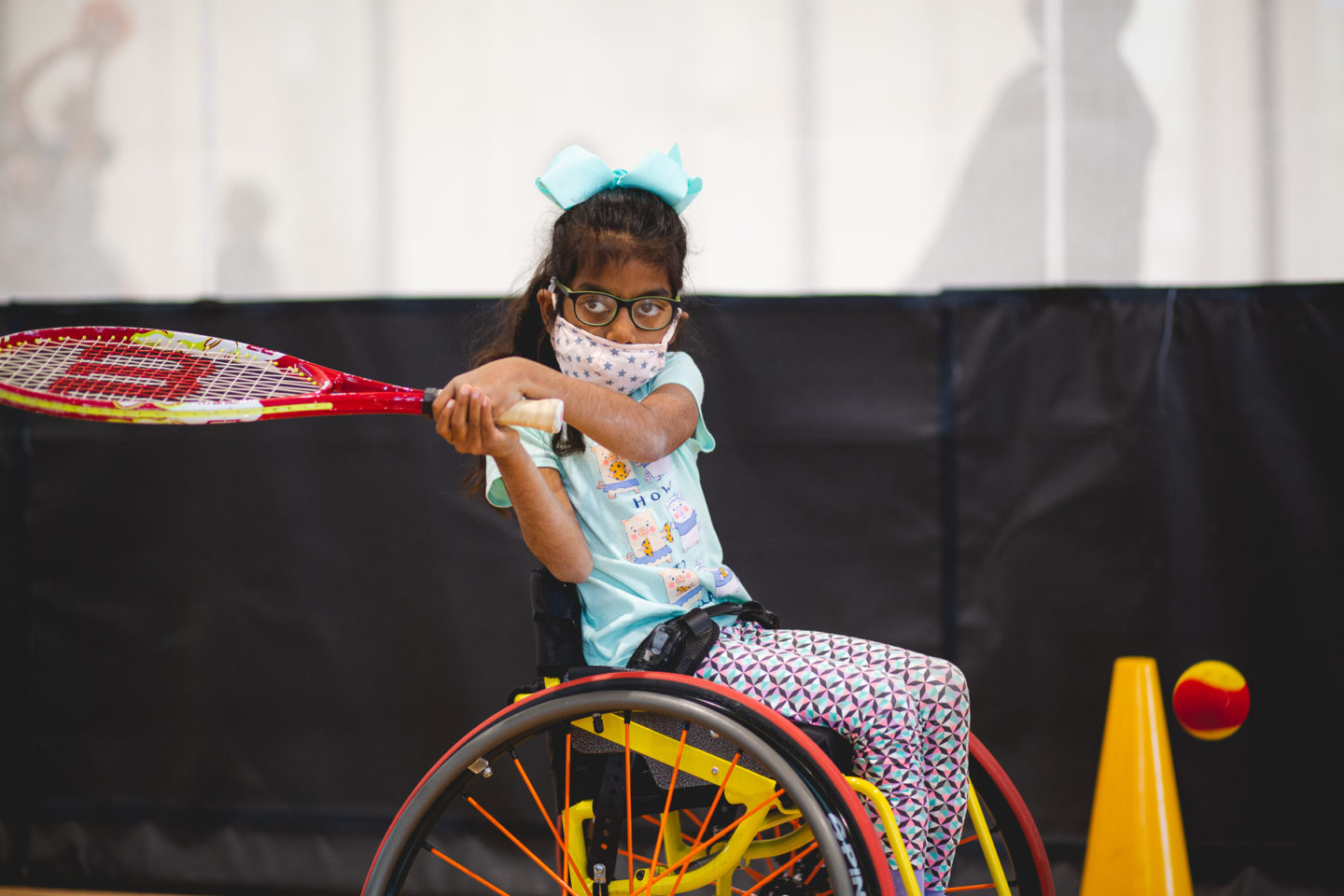
Dorsal rhizotomy, also known as selective dorsal rhizotomy (SDR), is a special kind of surgery used to help children with spasticity, especially kids with cerebral palsy. Spasticity means the muscles are too tight or stiff, which can make walking, sitting or doing everyday things harder. With SDR, doctors can reduce that muscle tightness so kids can move more easily and comfortably.
This surgery isn’t for every child, but for the right candidates it can be a life-changing step in improving movement, comfort and independence. After the surgery, kids work hard with physical and occupational therapists to rebuild strength and gain more functional mobility over time.
What is dorsal rhizotomy?
Dorsal rhizotomy, also known as selective dorsal rhizotomy (SDR), is a special kind of surgery used to help children with spasticity, especially kids with cerebral palsy. Spasticity means the muscles are too tight or stiff, which can make walking, sitting or doing everyday things harder. With SDR, doctors can reduce that muscle tightness so kids can move more easily and comfortably.
This surgery isn’t for every child, but for the right candidates it can be a life-changing step in improving movement, comfort and independence. After the surgery, kids work hard with physical and occupational therapists to rebuild strength and gain more functional mobility over time.
What is dorsal rhizotomy?
Dorsal rhizotomy, also known as selective dorsal rhizotomy (SDR), is a special kind of surgery used to help children with spasticity, especially kids with cerebral palsy. Spasticity means the muscles are too tight or stiff, which can make walking, sitting or doing everyday things harder. With SDR, doctors can reduce that muscle tightness so kids can move more easily and comfortably.
This surgery isn’t for every child, but for the right candidates it can be a life-changing step in improving movement, comfort and independence. After the surgery, kids work hard with physical and occupational therapists to rebuild strength and gain more functional mobility over time.
What is dorsal rhizotomy?
Dorsal rhizotomy, also known as selective dorsal rhizotomy (SDR), is a special kind of surgery used to help children with spasticity, especially kids with cerebral palsy. Spasticity means the muscles are too tight or stiff, which can make walking, sitting or doing everyday things harder. With SDR, doctors can reduce that muscle tightness so kids can move more easily and comfortably.
This surgery isn’t for every child, but for the right candidates it can be a life-changing step in improving movement, comfort and independence. After the surgery, kids work hard with physical and occupational therapists to rebuild strength and gain more functional mobility over time.
What is dorsal rhizotomy?
Dorsal rhizotomy, also known as selective dorsal rhizotomy (SDR), is a special kind of surgery used to help children with spasticity, especially kids with cerebral palsy. Spasticity means the muscles are too tight or stiff, which can make walking, sitting or doing everyday things harder. With SDR, doctors can reduce that muscle tightness so kids can move more easily and comfortably.
This surgery isn’t for every child, but for the right candidates it can be a life-changing step in improving movement, comfort and independence. After the surgery, kids work hard with physical and occupational therapists to rebuild strength and gain more functional mobility over time.
What is dorsal rhizotomy?
Dorsal rhizotomy, also known as selective dorsal rhizotomy (SDR), is a special kind of surgery used to help children with spasticity, especially kids with cerebral palsy. Spasticity means the muscles are too tight or stiff, which can make walking, sitting or doing everyday things harder. With SDR, doctors can reduce that muscle tightness so kids can move more easily and comfortably.
This surgery isn’t for every child, but for the right candidates it can be a life-changing step in improving movement, comfort and independence. After the surgery, kids work hard with physical and occupational therapists to rebuild strength and gain more functional mobility over time.
What is dorsal rhizotomy?
Dorsal rhizotomy, also known as selective dorsal rhizotomy (SDR), is a special kind of surgery used to help children with spasticity, especially kids with cerebral palsy. Spasticity means the muscles are too tight or stiff, which can make walking, sitting or doing everyday things harder. With SDR, doctors can reduce that muscle tightness so kids can move more easily and comfortably.
This surgery isn’t for every child, but for the right candidates it can be a life-changing step in improving movement, comfort and independence. After the surgery, kids work hard with physical and occupational therapists to rebuild strength and gain more functional mobility over time.
Understanding Spasticity
Spasticity happens when the brain and spinal cord send too many signals that make muscles tighten up and stay tight. This makes muscles stiff and can make movements harder, especially in the legs. Children with cerebral palsy often experience spasticity, which makes daily movements, like walking and staying balanced, more difficult.
Normally, nerves send messages back and forth between the brain and muscles to tell muscles when to relax and when to tighten. But sometimes those messages get mixed up, and the muscles stay too “on.” Dorsal rhizotomy helps fix this “signal overload” by cutting specific nerve roots that send abnormal messages to the muscles.
How does dorsal rhizotomy work?
During selective dorsal rhizotomy (SDR), a pediatric neurosurgeon performs a carefully planned operation on the lower spine. Here’s what happens: 1. Your child is asleep under general anesthesia. This means they won’t feel anything during surgery. 2. A small incision (cut) is made along the lower back to reach the spinal nerves. 3. Special equipment helps the surgical team test and identify specific nerve fibers (called dorsal nerve rootlets) that send too many signals, causing spasticity. 4. The surgeon then cuts selected nerve rootlets that are causing the most muscle tightness. This reduces the abnormal sensory signals and reduces stiffness in the muscles. 5. The incision is closed, and your child begins recovery with therapy soon after. Dorsal rhizotomy doesn’t cure conditions like cerebral palsy, but it can significantly improve muscle tightness and movement.Understanding Spasticity
Spasticity happens when the brain and spinal cord send too many signals that make muscles tighten up and stay tight. This makes muscles stiff and can make movements harder, especially in the legs. Children with cerebral palsy often experience spasticity, which makes daily movements, like walking and staying balanced, more difficult.
Normally, nerves send messages back and forth between the brain and muscles to tell muscles when to relax and when to tighten. But sometimes those messages get mixed up, and the muscles stay too “on.” Dorsal rhizotomy helps fix this “signal overload” by cutting specific nerve roots that send abnormal messages to the muscles.
How does dorsal rhizotomy work?
During selective dorsal rhizotomy (SDR), a pediatric neurosurgeon performs a carefully planned operation on the lower spine. Here’s what happens: 1. Your child is asleep under general anesthesia. This means they won’t feel anything during surgery. 2. A small incision (cut) is made along the lower back to reach the spinal nerves. 3. Special equipment helps the surgical team test and identify specific nerve fibers (called dorsal nerve rootlets) that send too many signals, causing spasticity. 4. The surgeon then cuts selected nerve rootlets that are causing the most muscle tightness. This reduces the abnormal sensory signals and reduces stiffness in the muscles. 5. The incision is closed, and your child begins recovery with therapy soon after. Dorsal rhizotomy doesn’t cure conditions like cerebral palsy, but it can significantly improve muscle tightness and movement.Understanding Spasticity
Spasticity happens when the brain and spinal cord send too many signals that make muscles tighten up and stay tight. This makes muscles stiff and can make movements harder, especially in the legs. Children with cerebral palsy often experience spasticity, which makes daily movements, like walking and staying balanced, more difficult.
Normally, nerves send messages back and forth between the brain and muscles to tell muscles when to relax and when to tighten. But sometimes those messages get mixed up, and the muscles stay too “on.” Dorsal rhizotomy helps fix this “signal overload” by cutting specific nerve roots that send abnormal messages to the muscles.
How does dorsal rhizotomy work?
During selective dorsal rhizotomy (SDR), a pediatric neurosurgeon performs a carefully planned operation on the lower spine. Here’s what happens: 1. Your child is asleep under general anesthesia. This means they won’t feel anything during surgery. 2. A small incision (cut) is made along the lower back to reach the spinal nerves. 3. Special equipment helps the surgical team test and identify specific nerve fibers (called dorsal nerve rootlets) that send too many signals, causing spasticity. 4. The surgeon then cuts selected nerve rootlets that are causing the most muscle tightness. This reduces the abnormal sensory signals and reduces stiffness in the muscles. 5. The incision is closed, and your child begins recovery with therapy soon after. Dorsal rhizotomy doesn’t cure conditions like cerebral palsy, but it can significantly improve muscle tightness and movement.Understanding Spasticity
Spasticity happens when the brain and spinal cord send too many signals that make muscles tighten up and stay tight. This makes muscles stiff and can make movements harder, especially in the legs. Children with cerebral palsy often experience spasticity, which makes daily movements, like walking and staying balanced, more difficult.
Normally, nerves send messages back and forth between the brain and muscles to tell muscles when to relax and when to tighten. But sometimes those messages get mixed up, and the muscles stay too “on.” Dorsal rhizotomy helps fix this “signal overload” by cutting specific nerve roots that send abnormal messages to the muscles.
How does dorsal rhizotomy work?
During selective dorsal rhizotomy (SDR), a pediatric neurosurgeon performs a carefully planned operation on the lower spine. Here’s what happens: 1. Your child is asleep under general anesthesia. This means they won’t feel anything during surgery. 2. A small incision (cut) is made along the lower back to reach the spinal nerves. 3. Special equipment helps the surgical team test and identify specific nerve fibers (called dorsal nerve rootlets) that send too many signals, causing spasticity. 4. The surgeon then cuts selected nerve rootlets that are causing the most muscle tightness. This reduces the abnormal sensory signals and reduces stiffness in the muscles. 5. The incision is closed, and your child begins recovery with therapy soon after. Dorsal rhizotomy doesn’t cure conditions like cerebral palsy, but it can significantly improve muscle tightness and movement.Understanding Spasticity
Spasticity happens when the brain and spinal cord send too many signals that make muscles tighten up and stay tight. This makes muscles stiff and can make movements harder, especially in the legs. Children with cerebral palsy often experience spasticity, which makes daily movements, like walking and staying balanced, more difficult.
Normally, nerves send messages back and forth between the brain and muscles to tell muscles when to relax and when to tighten. But sometimes those messages get mixed up, and the muscles stay too “on.” Dorsal rhizotomy helps fix this “signal overload” by cutting specific nerve roots that send abnormal messages to the muscles.
How does dorsal rhizotomy work?
During selective dorsal rhizotomy (SDR), a pediatric neurosurgeon performs a carefully planned operation on the lower spine. Here’s what happens: 1. Your child is asleep under general anesthesia. This means they won’t feel anything during surgery. 2. A small incision (cut) is made along the lower back to reach the spinal nerves. 3. Special equipment helps the surgical team test and identify specific nerve fibers (called dorsal nerve rootlets) that send too many signals, causing spasticity. 4. The surgeon then cuts selected nerve rootlets that are causing the most muscle tightness. This reduces the abnormal sensory signals and reduces stiffness in the muscles. 5. The incision is closed, and your child begins recovery with therapy soon after. Dorsal rhizotomy doesn’t cure conditions like cerebral palsy, but it can significantly improve muscle tightness and movement.Understanding Spasticity
Spasticity happens when the brain and spinal cord send too many signals that make muscles tighten up and stay tight. This makes muscles stiff and can make movements harder, especially in the legs. Children with cerebral palsy often experience spasticity, which makes daily movements, like walking and staying balanced, more difficult.
Normally, nerves send messages back and forth between the brain and muscles to tell muscles when to relax and when to tighten. But sometimes those messages get mixed up, and the muscles stay too “on.” Dorsal rhizotomy helps fix this “signal overload” by cutting specific nerve roots that send abnormal messages to the muscles.
How does dorsal rhizotomy work?
During selective dorsal rhizotomy (SDR), a pediatric neurosurgeon performs a carefully planned operation on the lower spine. Here’s what happens: 1. Your child is asleep under general anesthesia. This means they won’t feel anything during surgery. 2. A small incision (cut) is made along the lower back to reach the spinal nerves. 3. Special equipment helps the surgical team test and identify specific nerve fibers (called dorsal nerve rootlets) that send too many signals, causing spasticity. 4. The surgeon then cuts selected nerve rootlets that are causing the most muscle tightness. This reduces the abnormal sensory signals and reduces stiffness in the muscles. 5. The incision is closed, and your child begins recovery with therapy soon after. Dorsal rhizotomy doesn’t cure conditions like cerebral palsy, but it can significantly improve muscle tightness and movement.Understanding Spasticity
Spasticity happens when the brain and spinal cord send too many signals that make muscles tighten up and stay tight. This makes muscles stiff and can make movements harder, especially in the legs. Children with cerebral palsy often experience spasticity, which makes daily movements, like walking and staying balanced, more difficult.
Normally, nerves send messages back and forth between the brain and muscles to tell muscles when to relax and when to tighten. But sometimes those messages get mixed up, and the muscles stay too “on.” Dorsal rhizotomy helps fix this “signal overload” by cutting specific nerve roots that send abnormal messages to the muscles.
How does dorsal rhizotomy work?
During selective dorsal rhizotomy (SDR), a pediatric neurosurgeon performs a carefully planned operation on the lower spine. Here’s what happens: 1. Your child is asleep under general anesthesia. This means they won’t feel anything during surgery. 2. A small incision (cut) is made along the lower back to reach the spinal nerves. 3. Special equipment helps the surgical team test and identify specific nerve fibers (called dorsal nerve rootlets) that send too many signals, causing spasticity. 4. The surgeon then cuts selected nerve rootlets that are causing the most muscle tightness. This reduces the abnormal sensory signals and reduces stiffness in the muscles. 5. The incision is closed, and your child begins recovery with therapy soon after. Dorsal rhizotomy doesn’t cure conditions like cerebral palsy, but it can significantly improve muscle tightness and movement.
Who’s a good candidate for SDR?
How Doctors Decide if it’s Right for Your Child
Not every child is a candidate for dorsal rhizotomy. A team of specialists evaluates each child carefully to make sure this surgery will help. Children often considered for SDR include those who:- Have spasticity mostly in the legs that makes walking or mobility difficult
- Are physically strong enough to work with therapy after surgery
- Can walk with or without assistive devices or have the potential to walk with therapy
- Can participate in intensive physical therapy after surgery
Who’s a good candidate for SDR?
How Doctors Decide if it’s Right for Your Child
Not every child is a candidate for dorsal rhizotomy. A team of specialists evaluates each child carefully to make sure this surgery will help. Children often considered for SDR include those who:- Have spasticity mostly in the legs that makes walking or mobility difficult
- Are physically strong enough to work with therapy after surgery
- Can walk with or without assistive devices or have the potential to walk with therapy
- Can participate in intensive physical therapy after surgery
Who’s a good candidate for SDR?
How Doctors Decide if it’s Right for Your Child
Not every child is a candidate for dorsal rhizotomy. A team of specialists evaluates each child carefully to make sure this surgery will help. Children often considered for SDR include those who:- Have spasticity mostly in the legs that makes walking or mobility difficult
- Are physically strong enough to work with therapy after surgery
- Can walk with or without assistive devices or have the potential to walk with therapy
- Can participate in intensive physical therapy after surgery
Who’s a good candidate for SDR?
How Doctors Decide if it’s Right for Your Child
Not every child is a candidate for dorsal rhizotomy. A team of specialists evaluates each child carefully to make sure this surgery will help. Children often considered for SDR include those who:- Have spasticity mostly in the legs that makes walking or mobility difficult
- Are physically strong enough to work with therapy after surgery
- Can walk with or without assistive devices or have the potential to walk with therapy
- Can participate in intensive physical therapy after surgery
Who’s a good candidate for SDR?
How Doctors Decide if it’s Right for Your Child
Not every child is a candidate for dorsal rhizotomy. A team of specialists evaluates each child carefully to make sure this surgery will help. Children often considered for SDR include those who:- Have spasticity mostly in the legs that makes walking or mobility difficult
- Are physically strong enough to work with therapy after surgery
- Can walk with or without assistive devices or have the potential to walk with therapy
- Can participate in intensive physical therapy after surgery
Who’s a good candidate for SDR?
How Doctors Decide if it’s Right for Your Child
Not every child is a candidate for dorsal rhizotomy. A team of specialists evaluates each child carefully to make sure this surgery will help. Children often considered for SDR include those who:- Have spasticity mostly in the legs that makes walking or mobility difficult
- Are physically strong enough to work with therapy after surgery
- Can walk with or without assistive devices or have the potential to walk with therapy
- Can participate in intensive physical therapy after surgery
Who’s a good candidate for SDR?
How Doctors Decide if it’s Right for Your Child
Not every child is a candidate for dorsal rhizotomy. A team of specialists evaluates each child carefully to make sure this surgery will help. Children often considered for SDR include those who:- Have spasticity mostly in the legs that makes walking or mobility difficult
- Are physically strong enough to work with therapy after surgery
- Can walk with or without assistive devices or have the potential to walk with therapy
- Can participate in intensive physical therapy after surgery
The Benefits of Dorsal Rhizotomy
How Kids Can Improve After Surgery
Selective dorsal rhizotomy can help in several meaningful ways:Reduced Muscle Tightness
The main goal of SDR is to reduce spasticity—meaning muscles aren’t as tight and resistant to movement. This can make it easier for your child to walk, stand and move with more control.Better Walking Patterns and Mobility
When spasticity is reduced, many children show improvement in their walking. They’re able to take longer strides and balance better. This means they also fall less.Increased Energy and Comfort
Muscles that are too tight use a lot of energy. When spasticity decreases, kids often feel less tired, making therapy and daily living easier.Easier Daily Activities
With better muscle tone and body control, children may find it easier to do self-care tasks like dressing, bathing and participating more in school and play activities.Long-Term Impact
Studies show that children who undergo SDR and stay committed to therapy often experience lasting decreases in muscle tone, improved gross motor function and better overall independence compared with intense therapy alone.The Benefits of Dorsal Rhizotomy
How Kids Can Improve After Surgery
Selective dorsal rhizotomy can help in several meaningful ways:Reduced Muscle Tightness
The main goal of SDR is to reduce spasticity—meaning muscles aren’t as tight and resistant to movement. This can make it easier for your child to walk, stand and move with more control.Better Walking Patterns and Mobility
When spasticity is reduced, many children show improvement in their walking. They’re able to take longer strides and balance better. This means they also fall less.Increased Energy and Comfort
Muscles that are too tight use a lot of energy. When spasticity decreases, kids often feel less tired, making therapy and daily living easier.Easier Daily Activities
With better muscle tone and body control, children may find it easier to do self-care tasks like dressing, bathing and participating more in school and play activities.Long-Term Impact
Studies show that children who undergo SDR and stay committed to therapy often experience lasting decreases in muscle tone, improved gross motor function and better overall independence compared with intense therapy alone.The Benefits of Dorsal Rhizotomy
How Kids Can Improve After Surgery
Selective dorsal rhizotomy can help in several meaningful ways:Reduced Muscle Tightness
The main goal of SDR is to reduce spasticity—meaning muscles aren’t as tight and resistant to movement. This can make it easier for your child to walk, stand and move with more control.Better Walking Patterns and Mobility
When spasticity is reduced, many children show improvement in their walking. They’re able to take longer strides and balance better. This means they also fall less.Increased Energy and Comfort
Muscles that are too tight use a lot of energy. When spasticity decreases, kids often feel less tired, making therapy and daily living easier.Easier Daily Activities
With better muscle tone and body control, children may find it easier to do self-care tasks like dressing, bathing and participating more in school and play activities.Long-Term Impact
Studies show that children who undergo SDR and stay committed to therapy often experience lasting decreases in muscle tone, improved gross motor function and better overall independence compared with intense therapy alone.The Benefits of Dorsal Rhizotomy
How Kids Can Improve After Surgery
Selective dorsal rhizotomy can help in several meaningful ways:Reduced Muscle Tightness
The main goal of SDR is to reduce spasticity—meaning muscles aren’t as tight and resistant to movement. This can make it easier for your child to walk, stand and move with more control.Better Walking Patterns and Mobility
When spasticity is reduced, many children show improvement in their walking. They’re able to take longer strides and balance better. This means they also fall less.Increased Energy and Comfort
Muscles that are too tight use a lot of energy. When spasticity decreases, kids often feel less tired, making therapy and daily living easier.Easier Daily Activities
With better muscle tone and body control, children may find it easier to do self-care tasks like dressing, bathing and participating more in school and play activities.Long-Term Impact
Studies show that children who undergo SDR and stay committed to therapy often experience lasting decreases in muscle tone, improved gross motor function and better overall independence compared with intense therapy alone.The Benefits of Dorsal Rhizotomy
How Kids Can Improve After Surgery
Selective dorsal rhizotomy can help in several meaningful ways:Reduced Muscle Tightness
The main goal of SDR is to reduce spasticity—meaning muscles aren’t as tight and resistant to movement. This can make it easier for your child to walk, stand and move with more control.Better Walking Patterns and Mobility
When spasticity is reduced, many children show improvement in their walking. They’re able to take longer strides and balance better. This means they also fall less.Increased Energy and Comfort
Muscles that are too tight use a lot of energy. When spasticity decreases, kids often feel less tired, making therapy and daily living easier.Easier Daily Activities
With better muscle tone and body control, children may find it easier to do self-care tasks like dressing, bathing and participating more in school and play activities.Long-Term Impact
Studies show that children who undergo SDR and stay committed to therapy often experience lasting decreases in muscle tone, improved gross motor function and better overall independence compared with intense therapy alone.The Benefits of Dorsal Rhizotomy
How Kids Can Improve After Surgery
Selective dorsal rhizotomy can help in several meaningful ways:Reduced Muscle Tightness
The main goal of SDR is to reduce spasticity—meaning muscles aren’t as tight and resistant to movement. This can make it easier for your child to walk, stand and move with more control.Better Walking Patterns and Mobility
When spasticity is reduced, many children show improvement in their walking. They’re able to take longer strides and balance better. This means they also fall less.Increased Energy and Comfort
Muscles that are too tight use a lot of energy. When spasticity decreases, kids often feel less tired, making therapy and daily living easier.Easier Daily Activities
With better muscle tone and body control, children may find it easier to do self-care tasks like dressing, bathing and participating more in school and play activities.Long-Term Impact
Studies show that children who undergo SDR and stay committed to therapy often experience lasting decreases in muscle tone, improved gross motor function and better overall independence compared with intense therapy alone.The Benefits of Dorsal Rhizotomy
How Kids Can Improve After Surgery
Selective dorsal rhizotomy can help in several meaningful ways:Reduced Muscle Tightness
The main goal of SDR is to reduce spasticity—meaning muscles aren’t as tight and resistant to movement. This can make it easier for your child to walk, stand and move with more control.Better Walking Patterns and Mobility
When spasticity is reduced, many children show improvement in their walking. They’re able to take longer strides and balance better. This means they also fall less.Increased Energy and Comfort
Muscles that are too tight use a lot of energy. When spasticity decreases, kids often feel less tired, making therapy and daily living easier.Easier Daily Activities
With better muscle tone and body control, children may find it easier to do self-care tasks like dressing, bathing and participating more in school and play activities.Long-Term Impact
Studies show that children who undergo SDR and stay committed to therapy often experience lasting decreases in muscle tone, improved gross motor function and better overall independence compared with intense therapy alone.What happens after surgery?
The Road to Recovery and Therapy
After dorsal rhizotomy, recovery is a journey that continues with specialized rehabilitation:Hospital Stay
Children often stay in the hospital for a few days immediately after surgery while doctors monitor their early recovery and comfort.Therapy Starts Soon
Physical and occupational therapy usually begin right away or within the first few days after the surgery. Therapy helps your child build strength and improve balance. Therapy also gives kids the chance to learn new movement patterns after the surgery.Intensive Therapy is Key
For many kids, therapy is intensive at first—often multiple sessions per week for several months. Families are taught exercises and routines to continue progress at home and in school.Ongoing Progress
Improvements can continue for months to years after surgery. It takes time for muscles to strengthen and for kids to learn how to use their “new” movement patterns comfortably.What Families Can Expect
Supporting Your Child Every Step of the Way
Choosing a major surgery like SDR can be overwhelming for families. Knowing what to expect helps caregivers prepare and support their children through recovery.Emotional Support
It’s normal for kids to feel nervous before surgery. Child life specialists, therapists and family members all play a role in helping children feel safe and prepared.Questions and Planning
Before surgery, your child’s care team will explain risks, benefits, therapy expectations and goals, so you and your child can make an informed plan together.Therapy at Home and School
Physical therapy doesn’t stop after discharge—many children continue outpatient therapy and home exercise programs for months. This helps them gain strength and make the most of the improvements from SDR.What happens after surgery?
The Road to Recovery and Therapy
After dorsal rhizotomy, recovery is a journey that continues with specialized rehabilitation:Hospital Stay
Children often stay in the hospital for a few days immediately after surgery while doctors monitor their early recovery and comfort.Therapy Starts Soon
Physical and occupational therapy usually begin right away or within the first few days after the surgery. Therapy helps your child build strength and improve balance. Therapy also gives kids the chance to learn new movement patterns after the surgery.Intensive Therapy is Key
For many kids, therapy is intensive at first—often multiple sessions per week for several months. Families are taught exercises and routines to continue progress at home and in school.Ongoing Progress
Improvements can continue for months to years after surgery. It takes time for muscles to strengthen and for kids to learn how to use their “new” movement patterns comfortably.What Families Can Expect
Supporting Your Child Every Step of the Way
Choosing a major surgery like SDR can be overwhelming for families. Knowing what to expect helps caregivers prepare and support their children through recovery.Emotional Support
It’s normal for kids to feel nervous before surgery. Child life specialists, therapists and family members all play a role in helping children feel safe and prepared.Questions and Planning
Before surgery, your child’s care team will explain risks, benefits, therapy expectations and goals, so you and your child can make an informed plan together.Therapy at Home and School
Physical therapy doesn’t stop after discharge—many children continue outpatient therapy and home exercise programs for months. This helps them gain strength and make the most of the improvements from SDR.What happens after surgery?
The Road to Recovery and Therapy
After dorsal rhizotomy, recovery is a journey that continues with specialized rehabilitation:Hospital Stay
Children often stay in the hospital for a few days immediately after surgery while doctors monitor their early recovery and comfort.Therapy Starts Soon
Physical and occupational therapy usually begin right away or within the first few days after the surgery. Therapy helps your child build strength and improve balance. Therapy also gives kids the chance to learn new movement patterns after the surgery.Intensive Therapy is Key
For many kids, therapy is intensive at first—often multiple sessions per week for several months. Families are taught exercises and routines to continue progress at home and in school.Ongoing Progress
Improvements can continue for months to years after surgery. It takes time for muscles to strengthen and for kids to learn how to use their “new” movement patterns comfortably.What Families Can Expect
Supporting Your Child Every Step of the Way
Choosing a major surgery like SDR can be overwhelming for families. Knowing what to expect helps caregivers prepare and support their children through recovery.Emotional Support
It’s normal for kids to feel nervous before surgery. Child life specialists, therapists and family members all play a role in helping children feel safe and prepared.Questions and Planning
Before surgery, your child’s care team will explain risks, benefits, therapy expectations and goals, so you and your child can make an informed plan together.Therapy at Home and School
Physical therapy doesn’t stop after discharge—many children continue outpatient therapy and home exercise programs for months. This helps them gain strength and make the most of the improvements from SDR.What happens after surgery?
The Road to Recovery and Therapy
After dorsal rhizotomy, recovery is a journey that continues with specialized rehabilitation:Hospital Stay
Children often stay in the hospital for a few days immediately after surgery while doctors monitor their early recovery and comfort.Therapy Starts Soon
Physical and occupational therapy usually begin right away or within the first few days after the surgery. Therapy helps your child build strength and improve balance. Therapy also gives kids the chance to learn new movement patterns after the surgery.Intensive Therapy is Key
For many kids, therapy is intensive at first—often multiple sessions per week for several months. Families are taught exercises and routines to continue progress at home and in school.Ongoing Progress
Improvements can continue for months to years after surgery. It takes time for muscles to strengthen and for kids to learn how to use their “new” movement patterns comfortably.What Families Can Expect
Supporting Your Child Every Step of the Way
Choosing a major surgery like SDR can be overwhelming for families. Knowing what to expect helps caregivers prepare and support their children through recovery.Emotional Support
It’s normal for kids to feel nervous before surgery. Child life specialists, therapists and family members all play a role in helping children feel safe and prepared.Questions and Planning
Before surgery, your child’s care team will explain risks, benefits, therapy expectations and goals, so you and your child can make an informed plan together.Therapy at Home and School
Physical therapy doesn’t stop after discharge—many children continue outpatient therapy and home exercise programs for months. This helps them gain strength and make the most of the improvements from SDR.What happens after surgery?
The Road to Recovery and Therapy
After dorsal rhizotomy, recovery is a journey that continues with specialized rehabilitation:Hospital Stay
Children often stay in the hospital for a few days immediately after surgery while doctors monitor their early recovery and comfort.Therapy Starts Soon
Physical and occupational therapy usually begin right away or within the first few days after the surgery. Therapy helps your child build strength and improve balance. Therapy also gives kids the chance to learn new movement patterns after the surgery.Intensive Therapy is Key
For many kids, therapy is intensive at first—often multiple sessions per week for several months. Families are taught exercises and routines to continue progress at home and in school.Ongoing Progress
Improvements can continue for months to years after surgery. It takes time for muscles to strengthen and for kids to learn how to use their “new” movement patterns comfortably.What Families Can Expect
Supporting Your Child Every Step of the Way
Choosing a major surgery like SDR can be overwhelming for families. Knowing what to expect helps caregivers prepare and support their children through recovery.Emotional Support
It’s normal for kids to feel nervous before surgery. Child life specialists, therapists and family members all play a role in helping children feel safe and prepared.Questions and Planning
Before surgery, your child’s care team will explain risks, benefits, therapy expectations and goals, so you and your child can make an informed plan together.Therapy at Home and School
Physical therapy doesn’t stop after discharge—many children continue outpatient therapy and home exercise programs for months. This helps them gain strength and make the most of the improvements from SDR.What happens after surgery?
The Road to Recovery and Therapy
After dorsal rhizotomy, recovery is a journey that continues with specialized rehabilitation:Hospital Stay
Children often stay in the hospital for a few days immediately after surgery while doctors monitor their early recovery and comfort.Therapy Starts Soon
Physical and occupational therapy usually begin right away or within the first few days after the surgery. Therapy helps your child build strength and improve balance. Therapy also gives kids the chance to learn new movement patterns after the surgery.Intensive Therapy is Key
For many kids, therapy is intensive at first—often multiple sessions per week for several months. Families are taught exercises and routines to continue progress at home and in school.Ongoing Progress
Improvements can continue for months to years after surgery. It takes time for muscles to strengthen and for kids to learn how to use their “new” movement patterns comfortably.What Families Can Expect
Supporting Your Child Every Step of the Way
Choosing a major surgery like SDR can be overwhelming for families. Knowing what to expect helps caregivers prepare and support their children through recovery.Emotional Support
It’s normal for kids to feel nervous before surgery. Child life specialists, therapists and family members all play a role in helping children feel safe and prepared.Questions and Planning
Before surgery, your child’s care team will explain risks, benefits, therapy expectations and goals, so you and your child can make an informed plan together.Therapy at Home and School
Physical therapy doesn’t stop after discharge—many children continue outpatient therapy and home exercise programs for months. This helps them gain strength and make the most of the improvements from SDR.What happens after surgery?
The Road to Recovery and Therapy
After dorsal rhizotomy, recovery is a journey that continues with specialized rehabilitation:Hospital Stay
Children often stay in the hospital for a few days immediately after surgery while doctors monitor their early recovery and comfort.Therapy Starts Soon
Physical and occupational therapy usually begin right away or within the first few days after the surgery. Therapy helps your child build strength and improve balance. Therapy also gives kids the chance to learn new movement patterns after the surgery.Intensive Therapy is Key
For many kids, therapy is intensive at first—often multiple sessions per week for several months. Families are taught exercises and routines to continue progress at home and in school.Ongoing Progress
Improvements can continue for months to years after surgery. It takes time for muscles to strengthen and for kids to learn how to use their “new” movement patterns comfortably.What Families Can Expect
Supporting Your Child Every Step of the Way
Choosing a major surgery like SDR can be overwhelming for families. Knowing what to expect helps caregivers prepare and support their children through recovery.Emotional Support
It’s normal for kids to feel nervous before surgery. Child life specialists, therapists and family members all play a role in helping children feel safe and prepared.Questions and Planning
Before surgery, your child’s care team will explain risks, benefits, therapy expectations and goals, so you and your child can make an informed plan together.Therapy at Home and School
Physical therapy doesn’t stop after discharge—many children continue outpatient therapy and home exercise programs for months. This helps them gain strength and make the most of the improvements from SDR.
Risks and Things to Know
Understanding All Sides of SDR
While SDR has many benefits, it’s still major surgery and requires a serious commitment to recovery. Some things families should know:
- Therapy is intensive. The success of SDR depends on active participation in post-surgical physical therapy.
- Not all mobility changes are huge. SDR can improve movement patterns, but it doesn’t cure cerebral palsy. Many children may still use some assistive devices after recovery.
- We’ll monitor your child for complications. Your care team watches for things like sensitivity changes, swelling or temporary changes in bladder control. However, major complications are uncommon.
Risks and Things to Know
Understanding All Sides of SDR
While SDR has many benefits, it’s still major surgery and requires a serious commitment to recovery. Some things families should know:
- Therapy is intensive. The success of SDR depends on active participation in post-surgical physical therapy.
- Not all mobility changes are huge. SDR can improve movement patterns, but it doesn’t cure cerebral palsy. Many children may still use some assistive devices after recovery.
- We’ll monitor your child for complications. Your care team watches for things like sensitivity changes, swelling or temporary changes in bladder control. However, major complications are uncommon.
Risks and Things to Know
Understanding All Sides of SDR
While SDR has many benefits, it’s still major surgery and requires a serious commitment to recovery. Some things families should know:
- Therapy is intensive. The success of SDR depends on active participation in post-surgical physical therapy.
- Not all mobility changes are huge. SDR can improve movement patterns, but it doesn’t cure cerebral palsy. Many children may still use some assistive devices after recovery.
- We’ll monitor your child for complications. Your care team watches for things like sensitivity changes, swelling or temporary changes in bladder control. However, major complications are uncommon.
Risks and Things to Know
Understanding All Sides of SDR
While SDR has many benefits, it’s still major surgery and requires a serious commitment to recovery. Some things families should know:
- Therapy is intensive. The success of SDR depends on active participation in post-surgical physical therapy.
- Not all mobility changes are huge. SDR can improve movement patterns, but it doesn’t cure cerebral palsy. Many children may still use some assistive devices after recovery.
- We’ll monitor your child for complications. Your care team watches for things like sensitivity changes, swelling or temporary changes in bladder control. However, major complications are uncommon.
Risks and Things to Know
Understanding All Sides of SDR
While SDR has many benefits, it’s still major surgery and requires a serious commitment to recovery. Some things families should know:
- Therapy is intensive. The success of SDR depends on active participation in post-surgical physical therapy.
- Not all mobility changes are huge. SDR can improve movement patterns, but it doesn’t cure cerebral palsy. Many children may still use some assistive devices after recovery.
- We’ll monitor your child for complications. Your care team watches for things like sensitivity changes, swelling or temporary changes in bladder control. However, major complications are uncommon.
Risks and Things to Know
Understanding All Sides of SDR
While SDR has many benefits, it’s still major surgery and requires a serious commitment to recovery. Some things families should know:
- Therapy is intensive. The success of SDR depends on active participation in post-surgical physical therapy.
- Not all mobility changes are huge. SDR can improve movement patterns, but it doesn’t cure cerebral palsy. Many children may still use some assistive devices after recovery.
- We’ll monitor your child for complications. Your care team watches for things like sensitivity changes, swelling or temporary changes in bladder control. However, major complications are uncommon.
Risks and Things to Know
Understanding All Sides of SDR
While SDR has many benefits, it’s still major surgery and requires a serious commitment to recovery. Some things families should know:
- Therapy is intensive. The success of SDR depends on active participation in post-surgical physical therapy.
- Not all mobility changes are huge. SDR can improve movement patterns, but it doesn’t cure cerebral palsy. Many children may still use some assistive devices after recovery.
- We’ll monitor your child for complications. Your care team watches for things like sensitivity changes, swelling or temporary changes in bladder control. However, major complications are uncommon.
Is dorsal rhizotomy the right choice?
Talk with your child’s care team to decide if SDR is right for your child.
Deciding whether SDR is right for your child takes careful thought, evaluation, and discussion with neurosurgeons, physical therapists, rehabilitation physicians, and you as a family. Every child’s goals, strengths, challenges and therapies are unique.
Many families find SDR gives their children less tightness, more comfort and better movement for everyday life. Success depends on teamwork, therapy and ongoing support.
Is dorsal rhizotomy the right choice?
Talk with your child’s care team to decide if SDR is right for your child.
Deciding whether SDR is right for your child takes careful thought, evaluation, and discussion with neurosurgeons, physical therapists, rehabilitation physicians, and you as a family. Every child’s goals, strengths, challenges and therapies are unique.
Many families find SDR gives their children less tightness, more comfort and better movement for everyday life. Success depends on teamwork, therapy and ongoing support.
Is dorsal rhizotomy the right choice?
Talk with your child’s care team to decide if SDR is right for your child.
Deciding whether SDR is right for your child takes careful thought, evaluation, and discussion with neurosurgeons, physical therapists, rehabilitation physicians, and you as a family. Every child’s goals, strengths, challenges and therapies are unique.
Many families find SDR gives their children less tightness, more comfort and better movement for everyday life. Success depends on teamwork, therapy and ongoing support.
Is dorsal rhizotomy the right choice?
Talk with your child’s care team to decide if SDR is right for your child.
Deciding whether SDR is right for your child takes careful thought, evaluation, and discussion with neurosurgeons, physical therapists, rehabilitation physicians, and you as a family. Every child’s goals, strengths, challenges and therapies are unique.
Many families find SDR gives their children less tightness, more comfort and better movement for everyday life. Success depends on teamwork, therapy and ongoing support.
Is dorsal rhizotomy the right choice?
Talk with your child’s care team to decide if SDR is right for your child.
Deciding whether SDR is right for your child takes careful thought, evaluation, and discussion with neurosurgeons, physical therapists, rehabilitation physicians, and you as a family. Every child’s goals, strengths, challenges and therapies are unique.
Many families find SDR gives their children less tightness, more comfort and better movement for everyday life. Success depends on teamwork, therapy and ongoing support.
Is dorsal rhizotomy the right choice?
Talk with your child’s care team to decide if SDR is right for your child.
Deciding whether SDR is right for your child takes careful thought, evaluation, and discussion with neurosurgeons, physical therapists, rehabilitation physicians, and you as a family. Every child’s goals, strengths, challenges and therapies are unique.
Many families find SDR gives their children less tightness, more comfort and better movement for everyday life. Success depends on teamwork, therapy and ongoing support.
Is dorsal rhizotomy the right choice?
Talk with your child’s care team to decide if SDR is right for your child.
Deciding whether SDR is right for your child takes careful thought, evaluation, and discussion with neurosurgeons, physical therapists, rehabilitation physicians, and you as a family. Every child’s goals, strengths, challenges and therapies are unique.
Many families find SDR gives their children less tightness, more comfort and better movement for everyday life. Success depends on teamwork, therapy and ongoing support.
Learn More or Get Started
If you think dorsal rhizotomy might be a good fit for your child, talk with your Pediatric Rehabilitation Team. They can help you understand the evaluation process, possible outcomes, therapy expectations and whether SDR fits your child’s goals.
Your child’s comfort, growth and independence matter. We’re here to support every step of that journey.
Learn More or Get Started
If you think dorsal rhizotomy might be a good fit for your child, talk with your Pediatric Rehabilitation Team. They can help you understand the evaluation process, possible outcomes, therapy expectations and whether SDR fits your child’s goals.
Your child’s comfort, growth and independence matter. We’re here to support every step of that journey.
Learn More or Get Started
If you think dorsal rhizotomy might be a good fit for your child, talk with your Pediatric Rehabilitation Team. They can help you understand the evaluation process, possible outcomes, therapy expectations and whether SDR fits your child’s goals.
Your child’s comfort, growth and independence matter. We’re here to support every step of that journey.
Learn More or Get Started
If you think dorsal rhizotomy might be a good fit for your child, talk with your Pediatric Rehabilitation Team. They can help you understand the evaluation process, possible outcomes, therapy expectations and whether SDR fits your child’s goals.
Your child’s comfort, growth and independence matter. We’re here to support every step of that journey.
Learn More or Get Started
If you think dorsal rhizotomy might be a good fit for your child, talk with your Pediatric Rehabilitation Team. They can help you understand the evaluation process, possible outcomes, therapy expectations and whether SDR fits your child’s goals.
Your child’s comfort, growth and independence matter. We’re here to support every step of that journey.
Learn More or Get Started
If you think dorsal rhizotomy might be a good fit for your child, talk with your Pediatric Rehabilitation Team. They can help you understand the evaluation process, possible outcomes, therapy expectations and whether SDR fits your child’s goals.
Your child’s comfort, growth and independence matter. We’re here to support every step of that journey.
Learn More or Get Started
If you think dorsal rhizotomy might be a good fit for your child, talk with your Pediatric Rehabilitation Team. They can help you understand the evaluation process, possible outcomes, therapy expectations and whether SDR fits your child’s goals.
Your child’s comfort, growth and independence matter. We’re here to support every step of that journey.
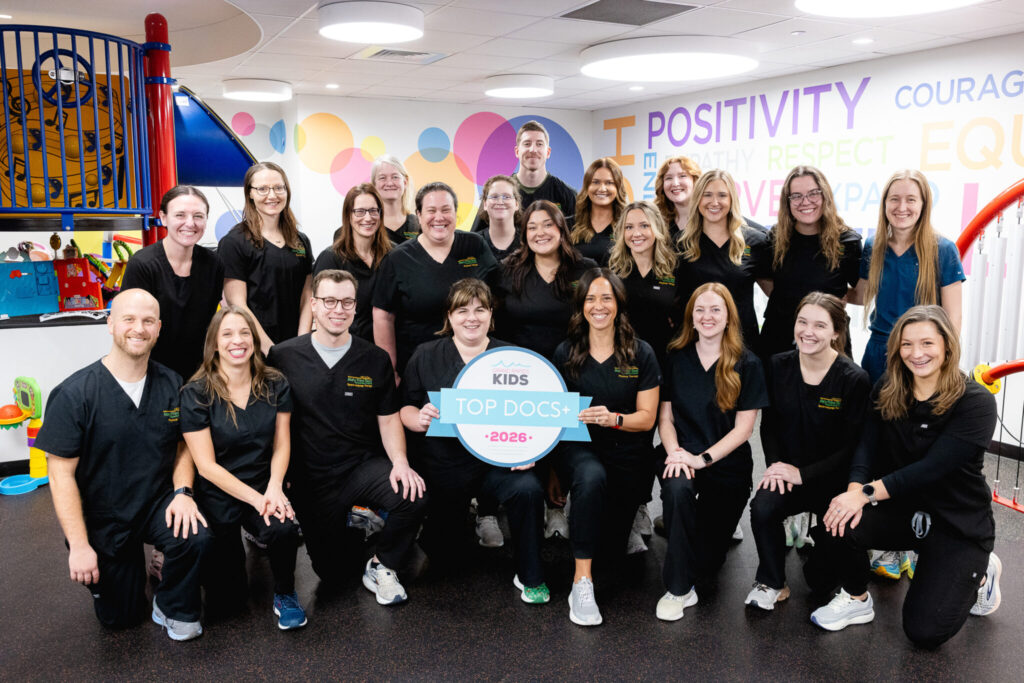

Ready to Get Started With Mary Free Bed?
Wherever your child is on their rehabilitation journey, we’re here to help every step of the way. Our pediatric specialists are ready to listen, support and guide your family through recovery. Whether your child is just beginning treatment or continuing progress from earlier care, our team is committed to encouraging their growth, celebrating milestones and supporting every goal—big and small.
Our Locations
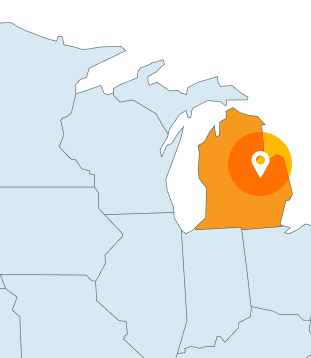
Great Lakes Bay Region
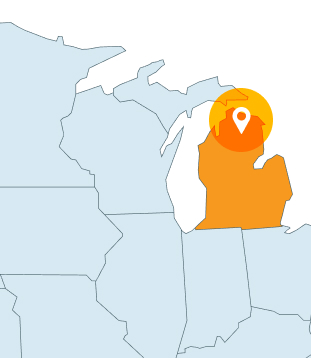
Northern Michigan
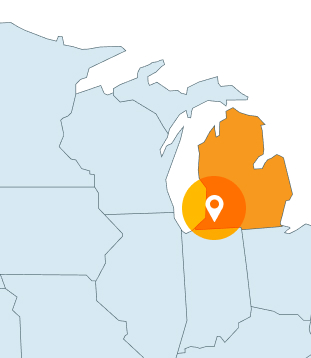
Southwest Michigan
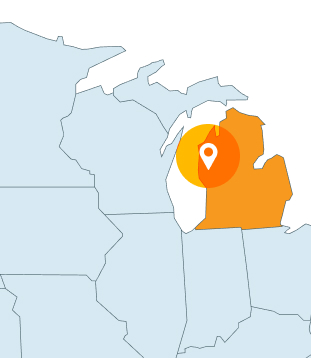
West Michigan
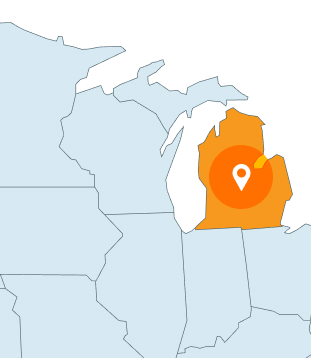
Mid-Michigan
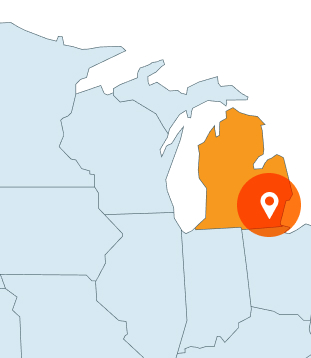
Southeast Michigan
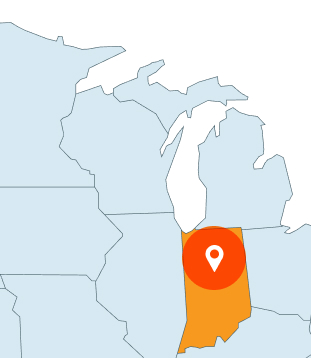
Indiana
Virginia