
Neurological Disorders
Restoring Hope and Freedom
At Mary Free Bed Kids, we understand that Functional Neurological Disorder (FND) can be confusing and stressful—not only for children, but for their families too. Our goal is to help kids get stronger, regain independence, and return to doing the things that make them feel like themselves again. With expert pediatric rehabilitation and a warm, family-focused environment, we support your child every step of the way on their road to recovery.

Why Mary Free Bed Kids?
As a CARF-Accredited Pediatric Inpatient Rehabilitation Program, we provide expert, family-centered care designed to support the best possible recovery outcomes. Rehabilitation is essential for kids living with a neurological disorder, and research consistently shows that beginning specialized care early can significantly improve a child’s progress.
Our accredited programs, seasoned clinical teams, and compassionate approach ensure that children and families receive the highest standard of support throughout their rehabilitation journey.


Mary Free Bed Rehabilitation Hospital holds a number of special accreditations from the Commission on Accreditation of Rehabilitation Facilities International (CARF). This voluntary but rigorous accreditation process is based on specific and comprehensive standards ensuring the highest-quality rehabilitation.
CARF is an independent organization dedicated to providing reliable information to help patients and families make informed health care decisions. Consumers and medical professionals collaborate to develop the leading-edge standards by which providers are measured.
No Place Like Mary Free Bed: A specialized Neurologic PT Residency to Grow, Learn + Make an Impact
What is Functional Neurological Disorder (FND)?
Functional Neurological Disorder is a medical condition that affects how the brain communicates with the body. When this communication is disrupted, a child may experience neurological symptoms even though there’s no structural damage to the brain or spinal cord. These symptoms are very real and can significantly affect daily life.
Common FND Symptoms in Kids and Teens
Children and teens with FND may experience:
- Muscle weakness or temporary paralysis
- Difficulty walking or balancing
- Tremors, tics or jerking movements
- Speech or swallowing difficulties
- Numbness, tingling or pain
- Dizziness or fainting
- Extreme fatigue or slowness
Because FND symptoms can mimic other neurological conditions, our specialists take great care to provide education on the diagnosis and a plan that supports both physical and emotional recovery.
How FND Affects Children and Teens
FND can develop after illness, injury or stressful events, but sometimes the cause isn’t clear. What we do know is that FND changes how the brain sends and receives signals that control movement, sensation and function. For kids, this can interfere with school, sports, friendships and independence. That’s why our pediatric rehabilitation program focuses on helping children rebuild trust in their bodies—and confidence in themselves.
A Program Designed for Kids
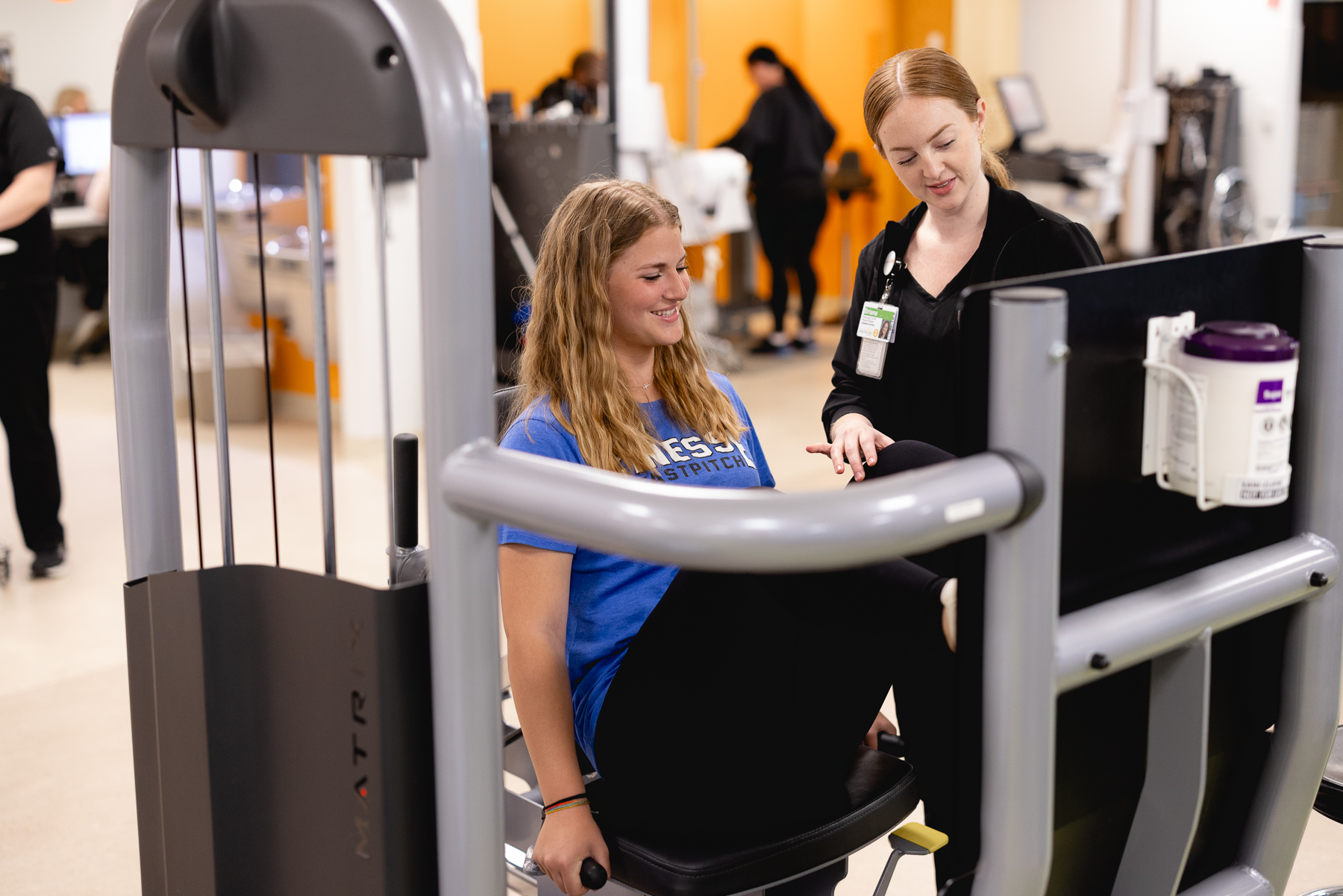
Our program is built around the needs of children under 18. That means:
- Our approach to therapy is kid-friendly and designed to motivate through preferred interests and creativity.
- Families will be encouraged to get involved and learn about FND so parents can support recovery at home.
- School time is scheduled into each day so kids can stay connected to their academic routine.
- We use positive reinforcement to build mastery and long-term confidence.
A Program Designed for Kids
Our program is built around the needs of children under 18. That means:
- Our approach to therapy is kid-friendly and designed to motivate through preferred interests and creativity.
- Families will be encouraged to get involved and learn about FND so parents can support recovery at home.
- School time is scheduled into each day so kids can stay connected to their academic routine.
- We use positive reinforcement to build mastery and long-term confidence.
A Program Designed for Kids
Our program is built around the needs of children under 18. That means:
- Our approach to therapy is kid-friendly and designed to motivate through preferred interests and creativity.
- Families will be encouraged to get involved and learn about FND so parents can support recovery at home.
- School time is scheduled into each day so kids can stay connected to their academic routine.
- We use positive reinforcement to build mastery and long-term confidence.
A Program Designed for Kids
Our program is built around the needs of children under 18. That means:
- Our approach to therapy is kid-friendly and designed to motivate through preferred interests and creativity.
- Families will be encouraged to get involved and learn about FND so parents can support recovery at home.
- School time is scheduled into each day so kids can stay connected to their academic routine.
- We use positive reinforcement to build mastery and long-term confidence.
A Program Designed for Kids
Our program is built around the needs of children under 18. That means:
- Our approach to therapy is kid-friendly and designed to motivate through preferred interests and creativity.
- Families will be encouraged to get involved and learn about FND so parents can support recovery at home.
- School time is scheduled into each day so kids can stay connected to their academic routine.
- We use positive reinforcement to build mastery and long-term confidence.
A Program Designed for Kids
Our program is built around the needs of children under 18. That means:
- Our approach to therapy is kid-friendly and designed to motivate through preferred interests and creativity.
- Families will be encouraged to get involved and learn about FND so parents can support recovery at home.
- School time is scheduled into each day so kids can stay connected to their academic routine.
- We use positive reinforcement to build mastery and long-term confidence.
A Program Designed for Kids
Our program is built around the needs of children under 18. That means:
- Our approach to therapy is kid-friendly and designed to motivate through preferred interests and creativity.
- Families will be encouraged to get involved and learn about FND so parents can support recovery at home.
- School time is scheduled into each day so kids can stay connected to their academic routine.
- We use positive reinforcement to build mastery and long-term confidence.
What to Expect During Your Child’s Stay
Children in our Inpatient FND Program experience a structured, supportive and encouraging daily routine that balances therapy, learning and fun.
A Typical Day at Mary Free Bed Kids
- Daily Therapy: Each day includes at least three hours of personalized therapy with physical, occupational and speech therapists who specialize in pediatric care.
- School and Study Time: Up to two hours of schoolwork help kids stay on track academically.
- Recreational Therapy: Activities like art, music and games help children rebuild skills in a natural, enjoyable way.
- Extra Practice: Additional exercises after therapy sessions reinforce new skills.
- Balanced Routines: Electronics use and bedtime schedules mirror a normal school day, helping your child stay focused and rested.
What to Expect During Your Child’s Stay
Children in our Inpatient FND Program experience a structured, supportive and encouraging daily routine that balances therapy, learning and fun.
A Typical Day at Mary Free Bed Kids
- Daily Therapy: Each day includes at least three hours of personalized therapy with physical, occupational and speech therapists who specialize in pediatric care.
- School and Study Time: Up to two hours of schoolwork help kids stay on track academically.
- Recreational Therapy: Activities like art, music and games help children rebuild skills in a natural, enjoyable way.
- Extra Practice: Additional exercises after therapy sessions reinforce new skills.
- Balanced Routines: Electronics use and bedtime schedules mirror a normal school day, helping your child stay focused and rested.
What to Expect During Your Child’s Stay
Children in our Inpatient FND Program experience a structured, supportive and encouraging daily routine that balances therapy, learning and fun.
A Typical Day at Mary Free Bed Kids
- Daily Therapy: Each day includes at least three hours of personalized therapy with physical, occupational and speech therapists who specialize in pediatric care.
- School and Study Time: Up to two hours of schoolwork help kids stay on track academically.
- Recreational Therapy: Activities like art, music and games help children rebuild skills in a natural, enjoyable way.
- Extra Practice: Additional exercises after therapy sessions reinforce new skills.
- Balanced Routines: Electronics use and bedtime schedules mirror a normal school day, helping your child stay focused and rested.
What to Expect During Your Child’s Stay
Children in our Inpatient FND Program experience a structured, supportive and encouraging daily routine that balances therapy, learning and fun.
A Typical Day at Mary Free Bed Kids
- Daily Therapy: Each day includes at least three hours of personalized therapy with physical, occupational and speech therapists who specialize in pediatric care.
- School and Study Time: Up to two hours of schoolwork help kids stay on track academically.
- Recreational Therapy: Activities like art, music and games help children rebuild skills in a natural, enjoyable way.
- Extra Practice: Additional exercises after therapy sessions reinforce new skills.
- Balanced Routines: Electronics use and bedtime schedules mirror a normal school day, helping your child stay focused and rested.
What to Expect During Your Child’s Stay
Children in our Inpatient FND Program experience a structured, supportive and encouraging daily routine that balances therapy, learning and fun.
A Typical Day at Mary Free Bed Kids
- Daily Therapy: Each day includes at least three hours of personalized therapy with physical, occupational and speech therapists who specialize in pediatric care.
- School and Study Time: Up to two hours of schoolwork help kids stay on track academically.
- Recreational Therapy: Activities like art, music and games help children rebuild skills in a natural, enjoyable way.
- Extra Practice: Additional exercises after therapy sessions reinforce new skills.
- Balanced Routines: Electronics use and bedtime schedules mirror a normal school day, helping your child stay focused and rested.
What to Expect During Your Child’s Stay
Children in our Inpatient FND Program experience a structured, supportive and encouraging daily routine that balances therapy, learning and fun.
A Typical Day at Mary Free Bed Kids
- Daily Therapy: Each day includes at least three hours of personalized therapy with physical, occupational and speech therapists who specialize in pediatric care.
- School and Study Time: Up to two hours of schoolwork help kids stay on track academically.
- Recreational Therapy: Activities like art, music and games help children rebuild skills in a natural, enjoyable way.
- Extra Practice: Additional exercises after therapy sessions reinforce new skills.
- Balanced Routines: Electronics use and bedtime schedules mirror a normal school day, helping your child stay focused and rested.
What to Expect During Your Child’s Stay
Children in our Inpatient FND Program experience a structured, supportive and encouraging daily routine that balances therapy, learning and fun.
A Typical Day at Mary Free Bed Kids
- Daily Therapy: Each day includes at least three hours of personalized therapy with physical, occupational and speech therapists who specialize in pediatric care.
- School and Study Time: Up to two hours of schoolwork help kids stay on track academically.
- Recreational Therapy: Activities like art, music and games help children rebuild skills in a natural, enjoyable way.
- Extra Practice: Additional exercises after therapy sessions reinforce new skills.
- Balanced Routines: Electronics use and bedtime schedules mirror a normal school day, helping your child stay focused and rested.
Your Child’s Care Team
Your child’s care is led by a pediatric rehabilitation physician and supported by a team of specialists who meet regularly to review progress and update goals.
- Rehabilitation physician
- Pediatric nurses
- Physical, occupational, and speech therapists
- Psychologist or counselor
- Recreational therapist
- Registered dietitian
- Care manager
Your Child’s Care Team
Your child’s care is led by a pediatric rehabilitation physician and supported by a team of specialists who meet regularly to review progress and update goals.
- Rehabilitation physician
- Pediatric nurses
- Physical, occupational, and speech therapists
- Psychologist or counselor
- Recreational therapist
- Registered dietitian
- Care manager
Your Child’s Care Team
Your child’s care is led by a pediatric rehabilitation physician and supported by a team of specialists who meet regularly to review progress and update goals.
- Rehabilitation physician
- Pediatric nurses
- Physical, occupational, and speech therapists
- Psychologist or counselor
- Recreational therapist
- Registered dietitian
- Care manager
Your Child’s Care Team
Your child’s care is led by a pediatric rehabilitation physician and supported by a team of specialists who meet regularly to review progress and update goals.
- Rehabilitation physician
- Pediatric nurses
- Physical, occupational, and speech therapists
- Psychologist or counselor
- Recreational therapist
- Registered dietitian
- Care manager
Your Child’s Care Team
Your child’s care is led by a pediatric rehabilitation physician and supported by a team of specialists who meet regularly to review progress and update goals.
- Rehabilitation physician
- Pediatric nurses
- Physical, occupational, and speech therapists
- Psychologist or counselor
- Recreational therapist
- Registered dietitian
- Care manager
Your Child’s Care Team
Your child’s care is led by a pediatric rehabilitation physician and supported by a team of specialists who meet regularly to review progress and update goals.
- Rehabilitation physician
- Pediatric nurses
- Physical, occupational, and speech therapists
- Psychologist or counselor
- Recreational therapist
- Registered dietitian
- Care manager
Your Child’s Care Team
Your child’s care is led by a pediatric rehabilitation physician and supported by a team of specialists who meet regularly to review progress and update goals.
- Rehabilitation physician
- Pediatric nurses
- Physical, occupational, and speech therapists
- Psychologist or counselor
- Recreational therapist
- Registered dietitian
- Care manager
Family Involvement and Support
Parents and caregivers play an essential role in recovery. We believe families should be involved and empowered throughout the process.
During Your Child’s Stay
- First 24–48 hours: A parent or caregiver stays to meet the team, set goals and begin learning about the treatment plan.
- Observation and Meetings: Families are invited to observe therapy sessions and attend family meetings.
- Visiting Hours: Families are welcome during designated times to share meals, play games or spend time together.
Family Involvement and Support
Parents and caregivers play an essential role in recovery. We believe families should be involved and empowered throughout the process.
During Your Child’s Stay
- First 24–48 hours: A parent or caregiver stays to meet the team, set goals and begin learning about the treatment plan.
- Observation and Meetings: Families are invited to observe therapy sessions and attend family meetings.
- Visiting Hours: Families are welcome during designated times to share meals, play games or spend time together.
Family Involvement and Support
Parents and caregivers play an essential role in recovery. We believe families should be involved and empowered throughout the process.
During Your Child’s Stay
- First 24–48 hours: A parent or caregiver stays to meet the team, set goals and begin learning about the treatment plan.
- Observation and Meetings: Families are invited to observe therapy sessions and attend family meetings.
- Visiting Hours: Families are welcome during designated times to share meals, play games or spend time together.
Family Involvement and Support
Parents and caregivers play an essential role in recovery. We believe families should be involved and empowered throughout the process.
During Your Child’s Stay
- First 24–48 hours: A parent or caregiver stays to meet the team, set goals and begin learning about the treatment plan.
- Observation and Meetings: Families are invited to observe therapy sessions and attend family meetings.
- Visiting Hours: Families are welcome during designated times to share meals, play games or spend time together.
Family Involvement and Support
Parents and caregivers play an essential role in recovery. We believe families should be involved and empowered throughout the process.
During Your Child’s Stay
- First 24–48 hours: A parent or caregiver stays to meet the team, set goals and begin learning about the treatment plan.
- Observation and Meetings: Families are invited to observe therapy sessions and attend family meetings.
- Visiting Hours: Families are welcome during designated times to share meals, play games or spend time together.
Family Involvement and Support
Parents and caregivers play an essential role in recovery. We believe families should be involved and empowered throughout the process.
During Your Child’s Stay
- First 24–48 hours: A parent or caregiver stays to meet the team, set goals and begin learning about the treatment plan.
- Observation and Meetings: Families are invited to observe therapy sessions and attend family meetings.
- Visiting Hours: Families are welcome during designated times to share meals, play games or spend time together.
Family Involvement and Support
Parents and caregivers play an essential role in recovery. We believe families should be involved and empowered throughout the process.
During Your Child’s Stay
- First 24–48 hours: A parent or caregiver stays to meet the team, set goals and begin learning about the treatment plan.
- Observation and Meetings: Families are invited to observe therapy sessions and attend family meetings.
- Visiting Hours: Families are welcome during designated times to share meals, play games or spend time together.
Preparing for Home and Life After Rehabilitation
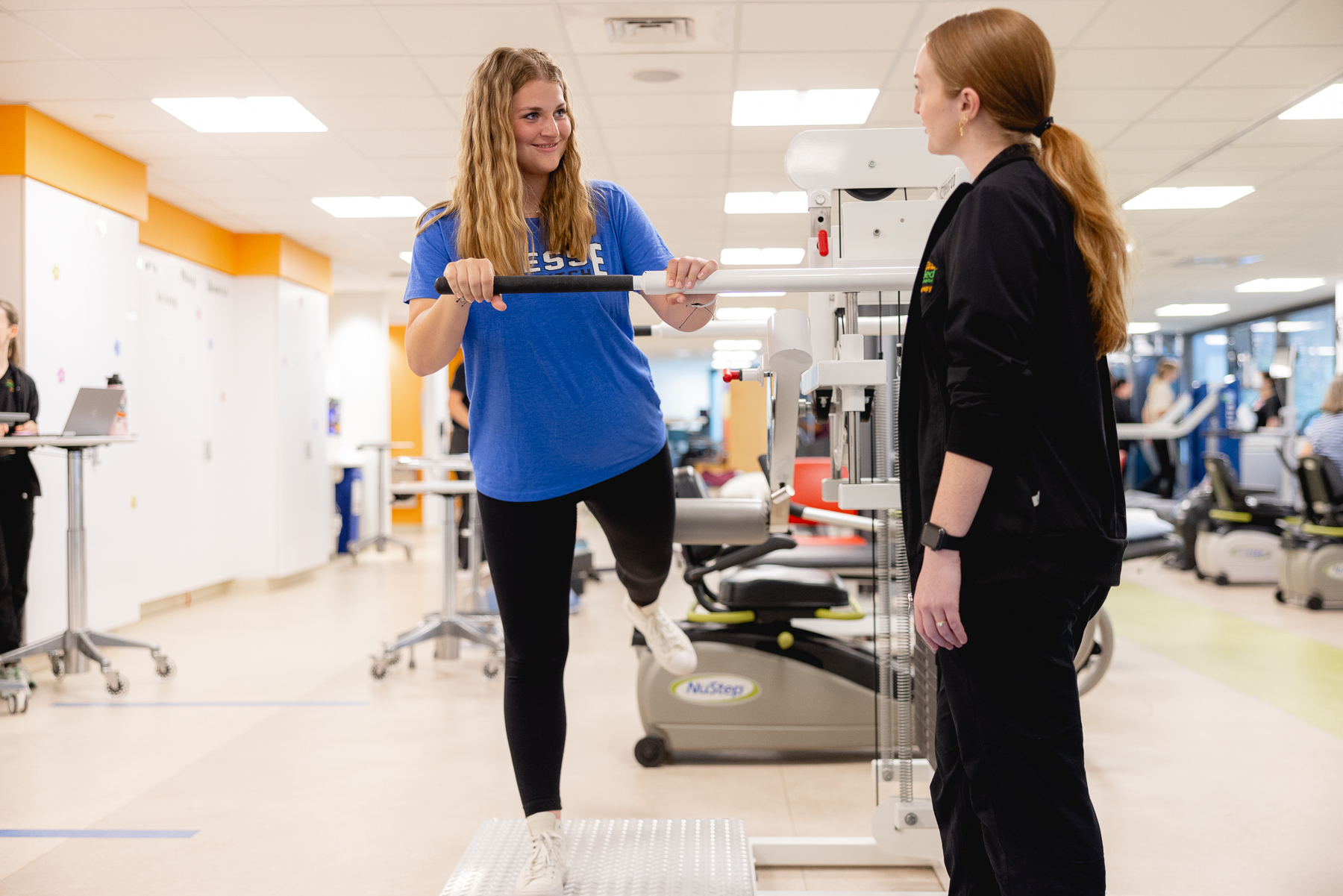
Before discharge, parents attend a full day of therapy to learn strategies for supporting continued progress.
Life After Rehabilitation
When your child is ready to transition home, we’ll help your family continue the progress with outpatient therapy, follow-up appointments and home exercises. Many children see major improvements in strength, function and confidence.Preparing for Home and Life After Rehabilitation
Before discharge, parents attend a full day of therapy to learn strategies for supporting continued progress.
Life After Rehabilitation
When your child is ready to transition home, we’ll help your family continue the progress with outpatient therapy, follow-up appointments and home exercises. Many children see major improvements in strength, function and confidence.Preparing for Home and Life After Rehabilitation
Before discharge, parents attend a full day of therapy to learn strategies for supporting continued progress.
Life After Rehabilitation
When your child is ready to transition home, we’ll help your family continue the progress with outpatient therapy, follow-up appointments and home exercises. Many children see major improvements in strength, function and confidence.Preparing for Home and Life After Rehabilitation
Before discharge, parents attend a full day of therapy to learn strategies for supporting continued progress.
Life After Rehabilitation
When your child is ready to transition home, we’ll help your family continue the progress with outpatient therapy, follow-up appointments and home exercises. Many children see major improvements in strength, function and confidence.Preparing for Home and Life After Rehabilitation
Before discharge, parents attend a full day of therapy to learn strategies for supporting continued progress.
Life After Rehabilitation
When your child is ready to transition home, we’ll help your family continue the progress with outpatient therapy, follow-up appointments and home exercises. Many children see major improvements in strength, function and confidence.Preparing for Home and Life After Rehabilitation
Before discharge, parents attend a full day of therapy to learn strategies for supporting continued progress.
Life After Rehabilitation
When your child is ready to transition home, we’ll help your family continue the progress with outpatient therapy, follow-up appointments and home exercises. Many children see major improvements in strength, function and confidence.Preparing for Home and Life After Rehabilitation
Before discharge, parents attend a full day of therapy to learn strategies for supporting continued progress.
Life After Rehabilitation
When your child is ready to transition home, we’ll help your family continue the progress with outpatient therapy, follow-up appointments and home exercises. Many children see major improvements in strength, function and confidence.Begin Your Child’s Recovery Journey
FND is real and treatable. At Mary Free Bed Kids, we help children and teens build confidence, strength, and independence. Contact us today to learn more or schedule an evaluation with our pediatric FND specialists.
Schedule Care
Begin Your Child’s Recovery Journey
FND is real and treatable. At Mary Free Bed Kids, we help children and teens build confidence, strength, and independence. Contact us today to learn more or schedule an evaluation with our pediatric FND specialists.
Schedule Care
Begin Your Child’s Recovery Journey
FND is real and treatable. At Mary Free Bed Kids, we help children and teens build confidence, strength, and independence. Contact us today to learn more or schedule an evaluation with our pediatric FND specialists.
Schedule Care
Begin Your Child’s Recovery Journey
FND is real and treatable. At Mary Free Bed Kids, we help children and teens build confidence, strength, and independence. Contact us today to learn more or schedule an evaluation with our pediatric FND specialists.
Schedule Care
Begin Your Child’s Recovery Journey
FND is real and treatable. At Mary Free Bed Kids, we help children and teens build confidence, strength, and independence. Contact us today to learn more or schedule an evaluation with our pediatric FND specialists.
Schedule Care
Begin Your Child’s Recovery Journey
FND is real and treatable. At Mary Free Bed Kids, we help children and teens build confidence, strength, and independence. Contact us today to learn more or schedule an evaluation with our pediatric FND specialists.
Schedule Care
Begin Your Child’s Recovery Journey
FND is real and treatable. At Mary Free Bed Kids, we help children and teens build confidence, strength, and independence. Contact us today to learn more or schedule an evaluation with our pediatric FND specialists.
Schedule Care


Ready to Get Started With Mary Free Bed?
Wherever your child is on their rehabilitation journey, we’re here to help every step of the way. Our pediatric specialists are ready to listen, support and guide your family through recovery. Whether your child is just beginning treatment or continuing progress from earlier care, our team is committed to encouraging their growth, celebrating milestones and supporting every goal—big and small.
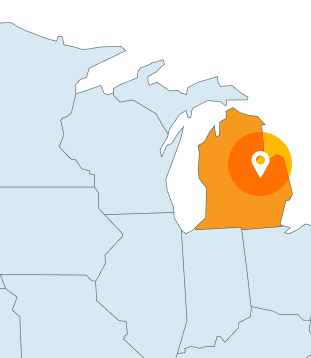
Our Locations
Great Lakes Bay Region
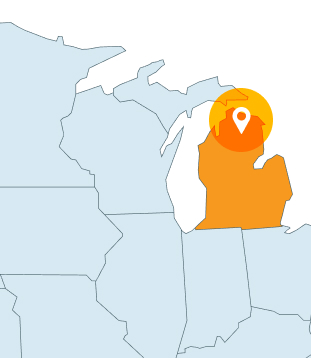
Northern Michigan
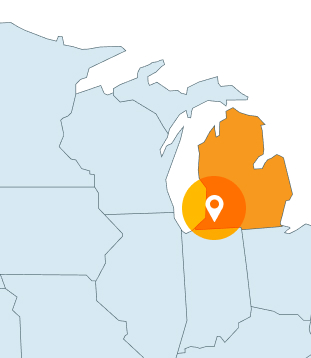
Southwest Michigan
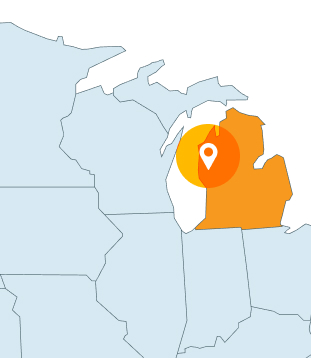
West Michigan
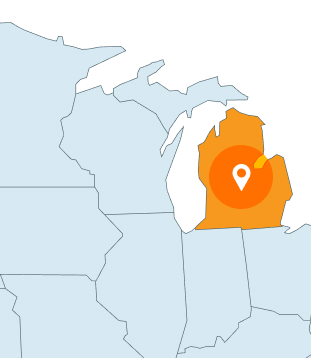
Mid-Michigan
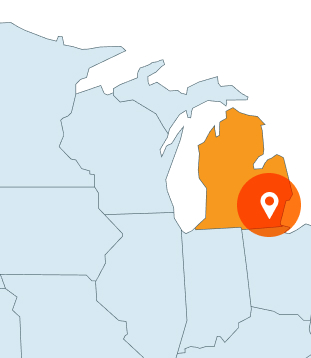
Southeast Michigan
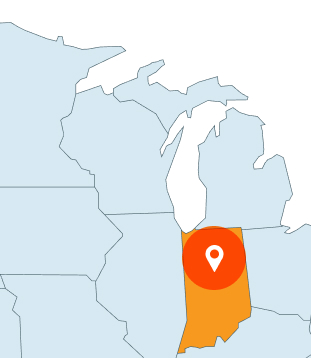
Indiana
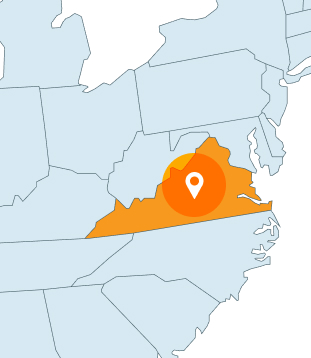
Virginia