Technology + Therapeutic Tools
Restoring Hope and Freedom
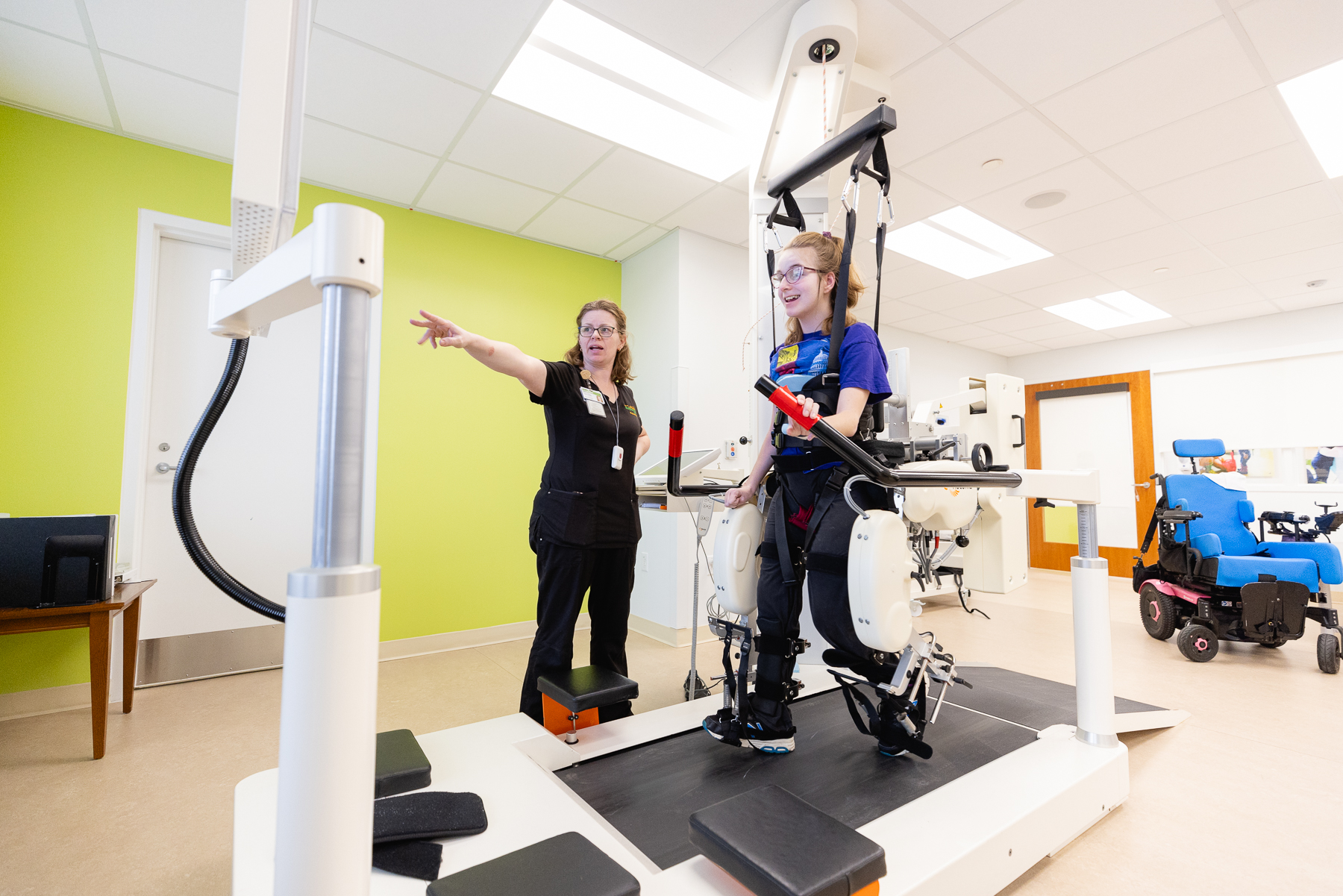
Technology + Therapeutic Tools at Mary Free Bed Kids
The Technology + Therapeutic Tools Program at Mary Free Bed Kids uses state-of-the-art rehabilitation technologies to help children regain strength, mobility and function.
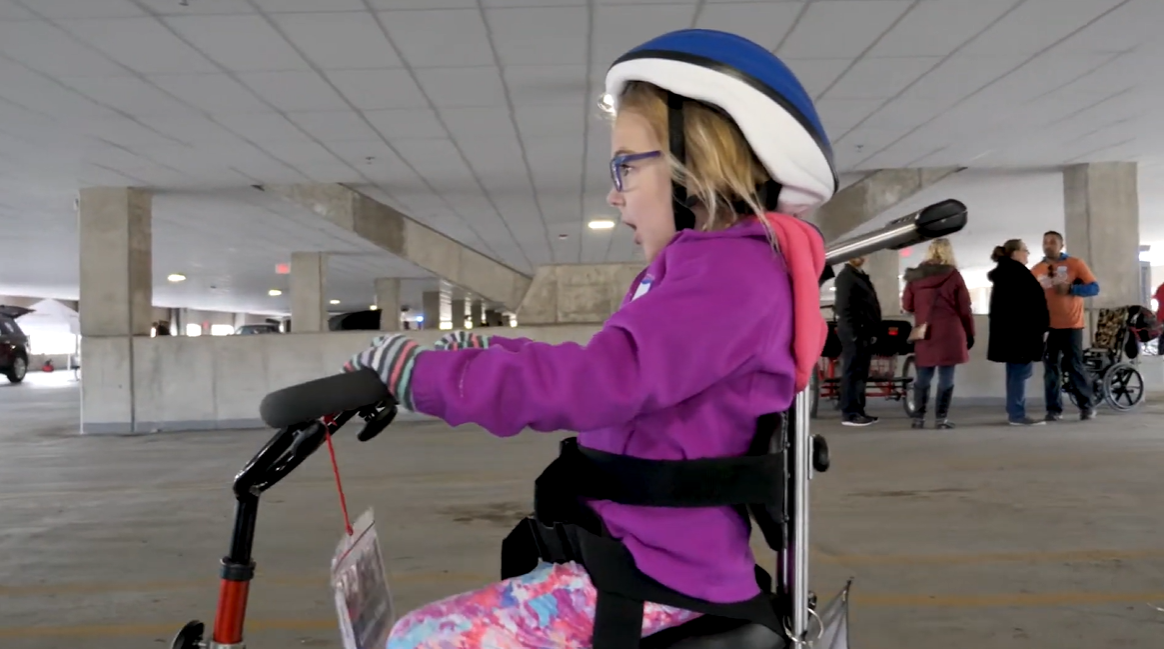
From the AlterG Anti-Gravity Treadmill to FES bikes, these specialized tools make therapy engaging and meaningful when combined with guidance from dedicated physical, recreational or occupational therapists.
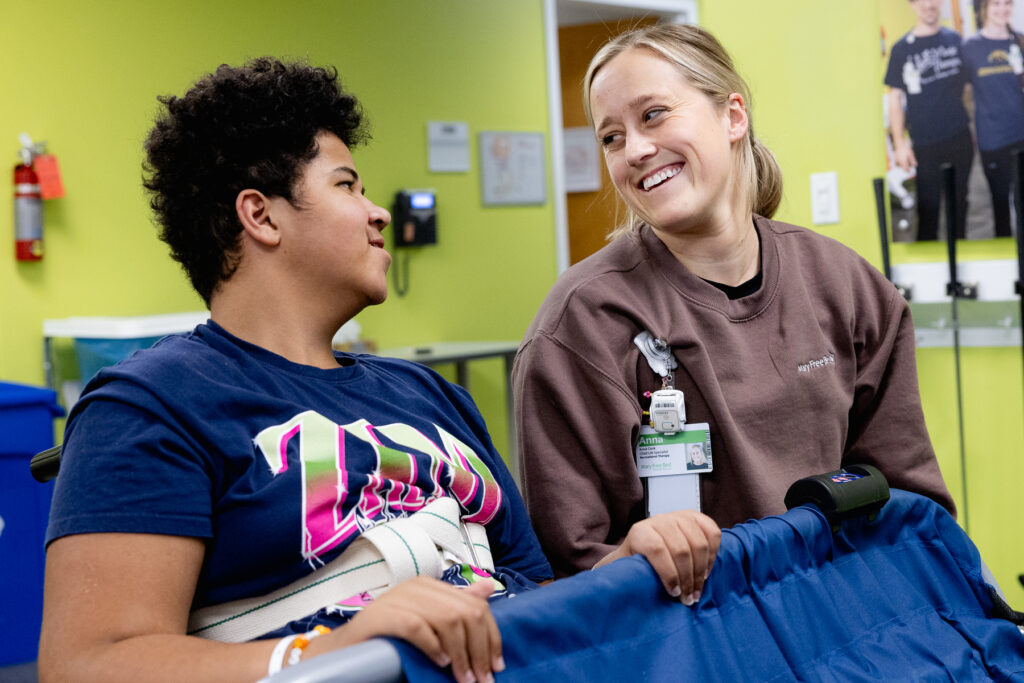
At Mary Free Bed Kids, every program is designed to meet children’s unique developmental needs. The Technology + Therapeutic Tools Program uses child-sized equipment, combined with engaging and friendly therapy gyms to ensure rehabilitation is safe and comfortable.
Key Technology + Therapeutic Tools
- AlterG Anti-Gravity Treadmills reduce bodyweight from 100% down to 20%, allowing safe walking and running while protecting joints and healing tissues.
- ArmeoSpring computer-assisted devices improve upper-body movement, hand-eye coordination and hand and arm function.
- The adaptive therapy car simulates real-world vehicle access, including a hydraulic lift system to practice independence and mobility.
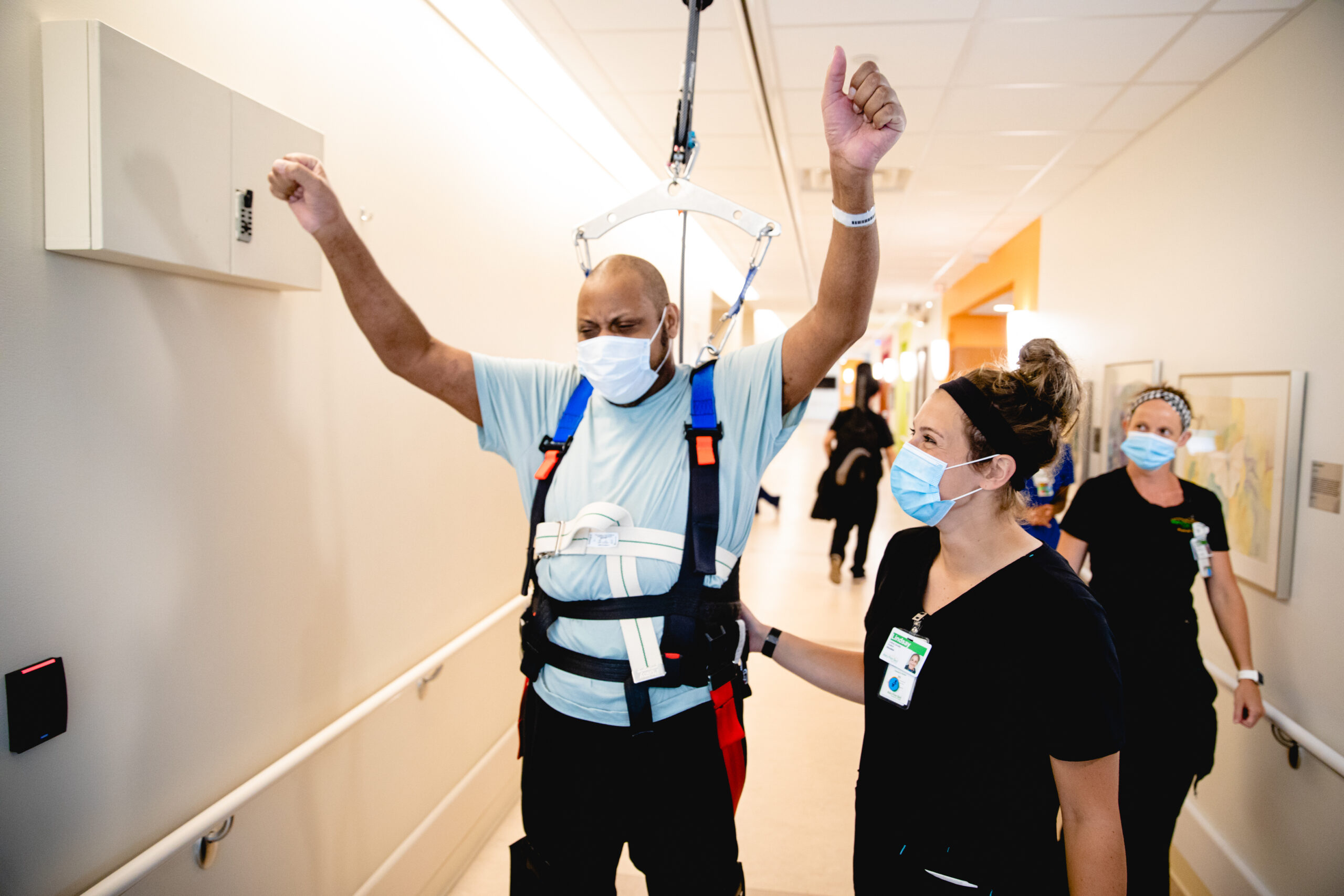
- Ceiling-mounted ambulation systems, like ZeroG and Tollos, support bodyweight during walking and balance training, reducing fall risk.
- The Indego Exoskeleton is a wearable robotic device that helps children with lower-body weaknesses to stand and walk by retraining muscle and nervous system pathways.
- LokomatPro is a robot-assisted walking system that reinforces neurological pathways and muscle memory to help improve coordination.
- RT300 FES Cycle uses functional electrical stimulation to strengthen underused muscles and aid neurological rehabilitation.
- REAL Virtual Reality Systems use immersive VR activities to enhance range of motion, balance and cognition in a way that’s fun and engaging.
- Aquatic therapy takes place in our therapeutic pool. The warm water supports movement and reduces joint stress, while ceiling-mounted lifts ensure safety.
- Visual and cognitive rehabilitation tools, like the Dynavision D2 & vision coach interactive light board, improve hand-eye coordination, reaction time, visual tracking and cognitive processing.
Why This Technology Matters
Safer, More Effective Rehabilitation
- Adaptive technologies allow for controlled, supported movement, reducing the risk of falls or injury while promoting functional recovery.
Relearning Real-World Skills
- Tools and technology build real-world confidence, allowing kids to practice essential tasks like navigating stairs or getting out of the car in a safe, therapeutic environment.
Neuroplasticity and Muscle Memory
- Robot-assisted walking, VR therapy, and FES promote neural pathway retraining, crucial for recovery from neurological injuries.
Motivation Through Play
- Interactive VR games combine fun and therapy, increasing participation and improving outcomes.
Customized Therapy
- Technology can be tailored to address a child’s specific needs, goals and abilities.
Seamless Care
At Mary Free Bed Kids, technology is just one part of a person-first, comprehensive approach to care, including:
- From inpatient rehabilitation to outpatient therapy, Mary Free Bed Kids provides a comprehensive continuum of care, designed to support you and your child through every stage of life, from toddler to teen years.
- Pediatric physiatrists, therapists, psychologists, dietitians, and more use a collaborative approach to craft a treatment plan as unique as your child.
- At Mary Free Bed Kids, family and community involvement is a key part of any rehabilitation journey.
- Prosthetics, orthotics, bionics and adaptive devices are designed to grow with your child, providing long-term support.
Why Families Choose Mary Free Bed Kids
Families choose Mary Free Bed Kids because:
- Our therapists are specially trained in pediatric and adolescent rehabilitation.
- We provide measurable clinical outcomes.
- Our approach to care is family-centered.
- We utilize a developmentally aligned, play-based approach.
Our mission is to help every child move, communicate, learn and thrive by combining advanced technology with specialized expertise.
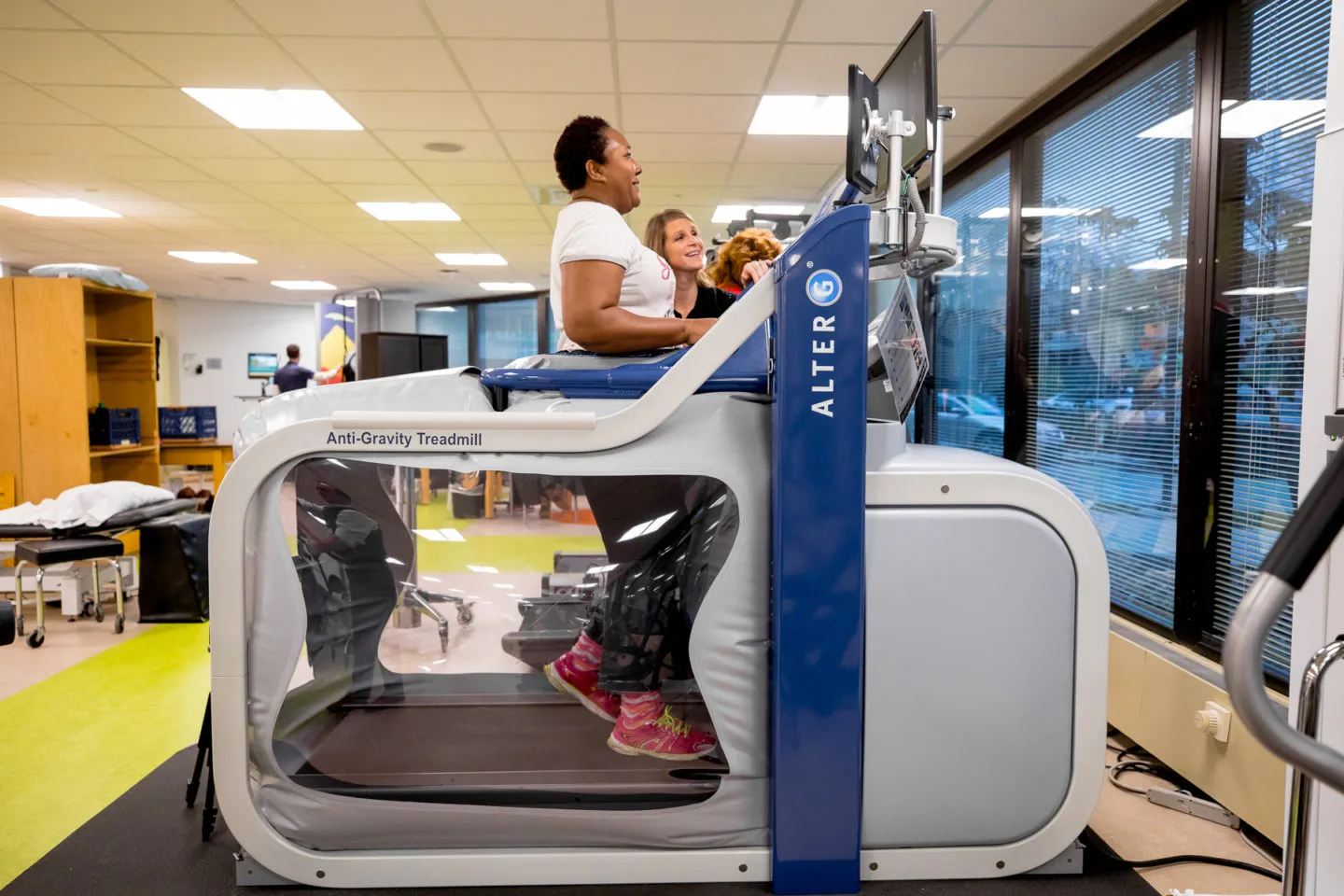
AlterG Anti-Gravity Treadmill
Developed using NASA technology, the AlterG uses specialized air pressure for a near-weightless experience to help patients recover mobility sooner and safely.
An “anti-gravity” chamber enables the therapist to adjust the amount of body weight on your lower extremities, from 100 percent to as low as 20 percent. This reduces impact and pain while supporting movement and balance.
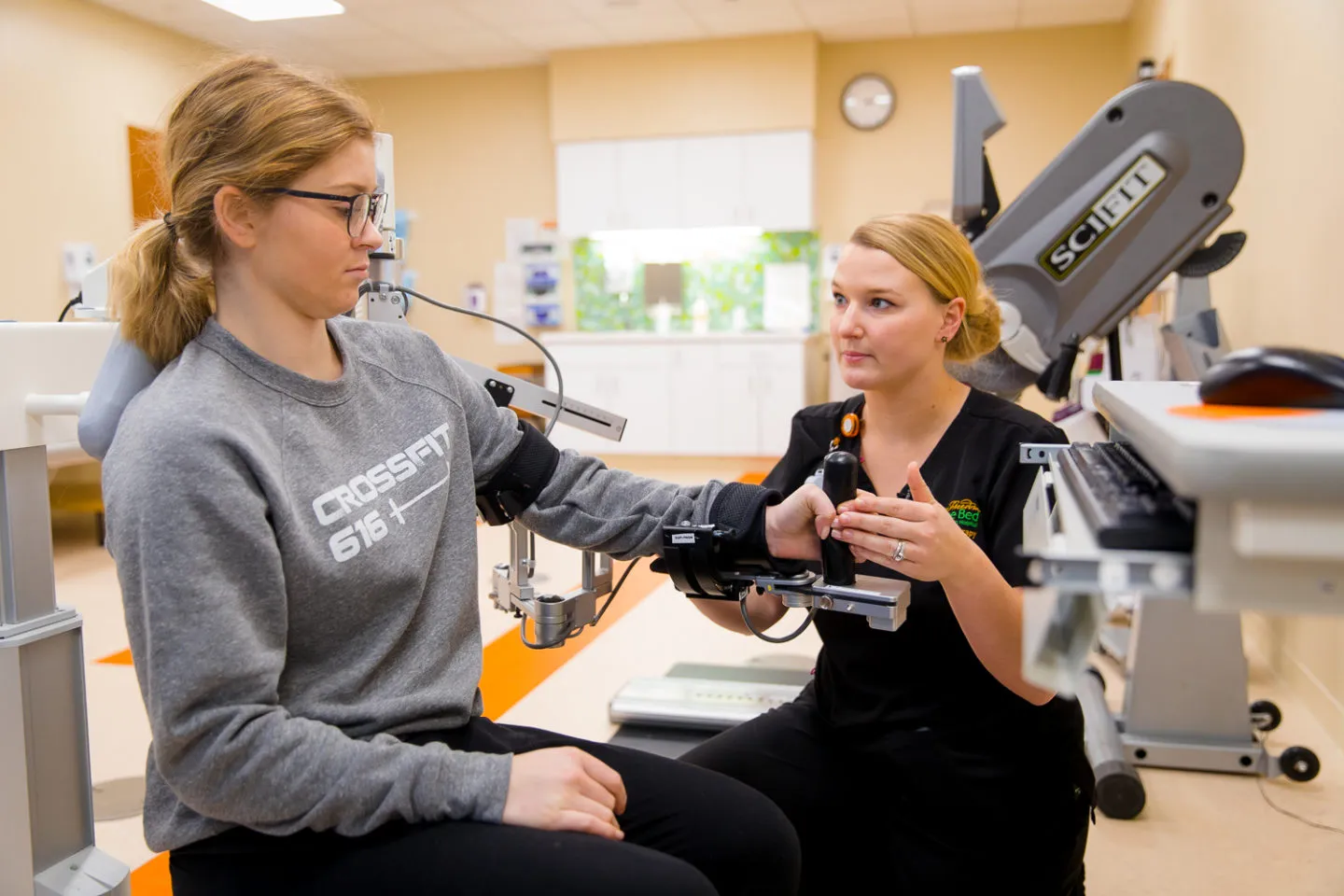
ArmeoSpring
This computer-assisted device improves upper body movement and functionality, including range-of-motion and hand-eye coordination.
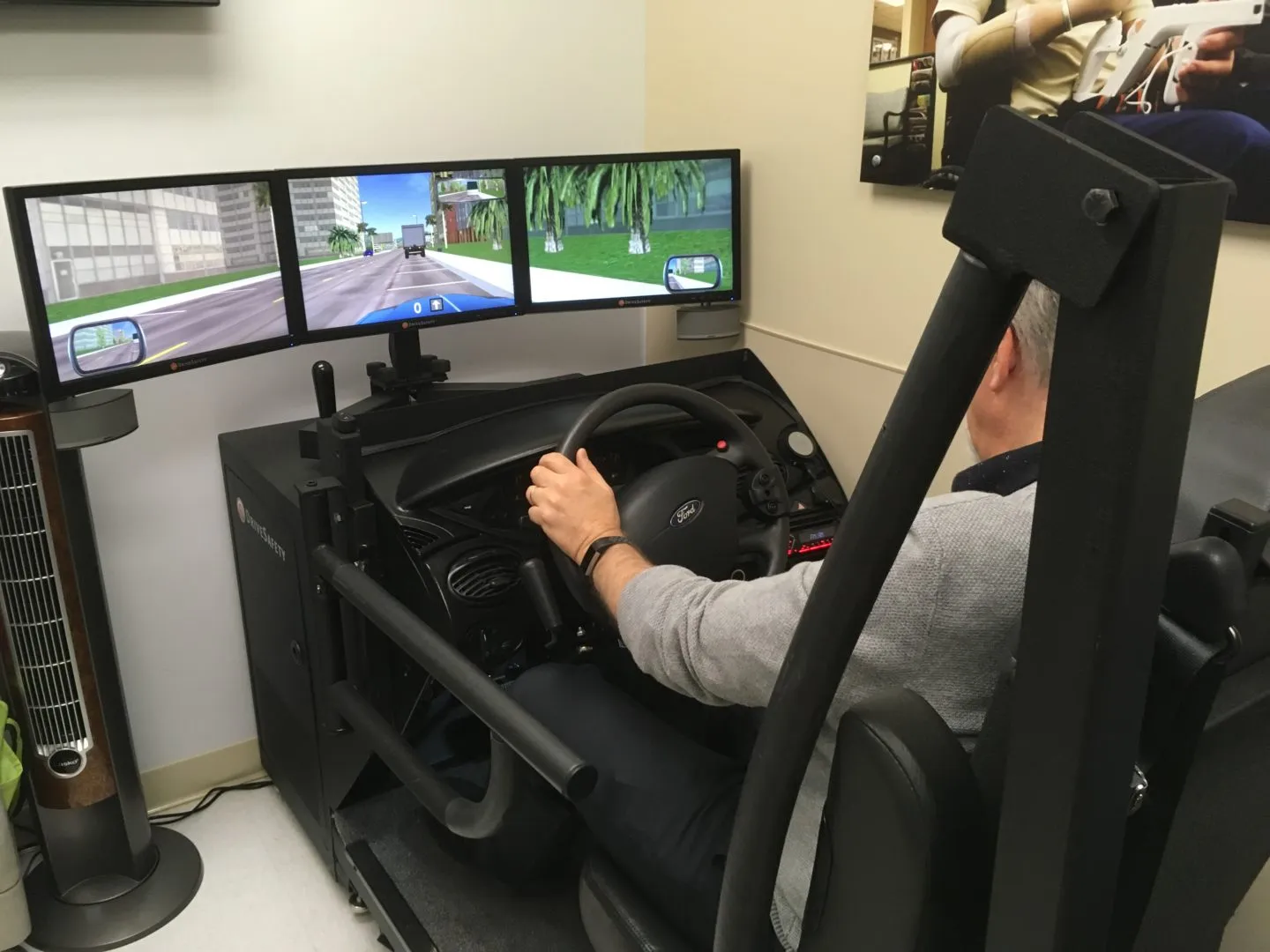
Therapy car
The therapy car enables you to practice the skill of getting in and out of a vehicle, as well as manage aspects of accessing a vehicle, such as the trunk or back seat. The vehicle features a hydraulic lift system that allows us to lift it up to mimic heights of taller vehicles.
Tollos and Zero-G ceiling-mounted ambulation systems
Hundreds of feet of the Tollos and ZeroG technologies are located throughout our inpatient and outpatient treatment areas.
The gait and balance training systems provide static or dynamic bodyweight support to safely work on barrier-free walking and balance tasks.
Dynavision – D2
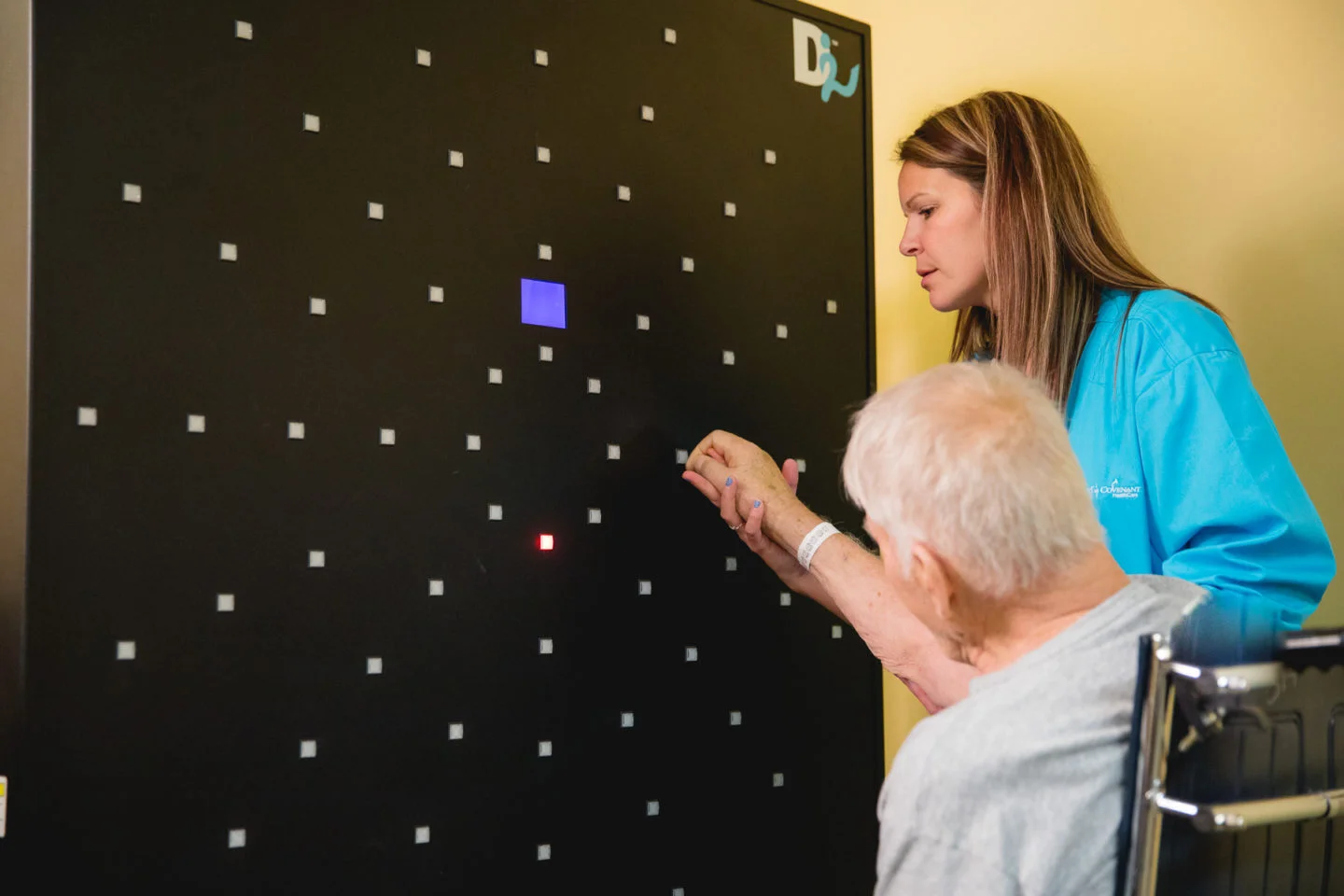
With this interactive light-up display, therapists can assess and help improve hand-eye coordination, concentration, endurance, eye movement, reaction time and peripheral vision.
This dynamic tool can be particularly beneficial if you’re recovering from a stroke or traumatic brain injury and experiencing cognitive deficits related to vision.
Indego Exoskeleton
Functional Electrical Stimulation (FES) safely uses pulses of electrical current to stimulate peripheral nerves, causing muscle contractions. This specialized therapy tool enables therapists to target specific sets of muscles. This can be effective for improving strength for people with a spinal cord injury or certain neurological conditions.
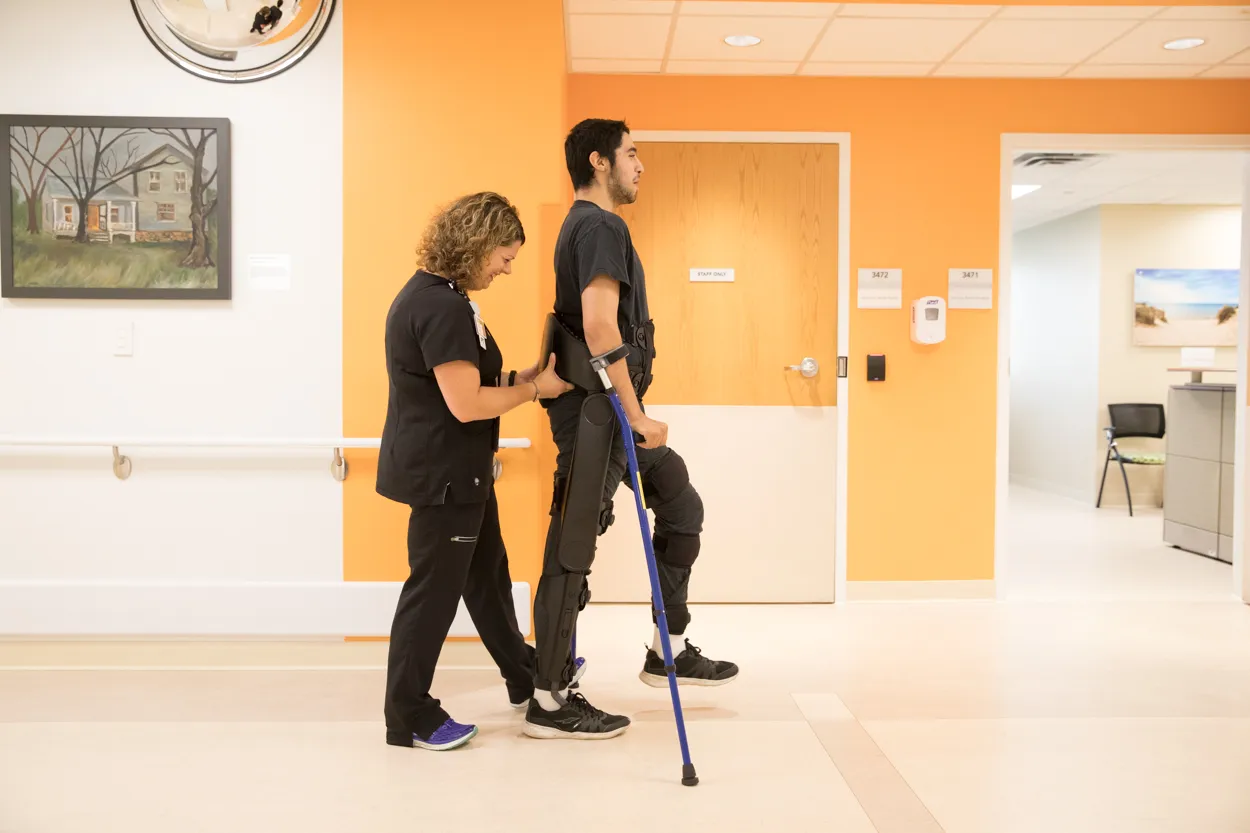
This robotic walking device automatically moves your legs and provides support as you stand and walk, helping to improve mobility. It’s used most often for patients with a spinal cord injury.
LokomatPro
The Lokomat is an intensive, robot-assisted walking technology that focuses on muscle strength and neurological memory. It helps you remember the pattern of walking while being supported by a harness, using a special treadmill with robotic “legs.”
LokomatPro
The Lokomat is an intensive, robot-assisted walking technology that focuses on muscle strength and neurological memory. It helps you remember the pattern of walking while being supported by a harness, using a special treadmill with robotic “legs.”
LokomatPro
The Lokomat is an intensive, robot-assisted walking technology that focuses on muscle strength and neurological memory. It helps you remember the pattern of walking while being supported by a harness, using a special treadmill with robotic “legs.”
LokomatPro
The Lokomat is an intensive, robot-assisted walking technology that focuses on muscle strength and neurological memory. It helps you remember the pattern of walking while being supported by a harness, using a special treadmill with robotic “legs.”
LokomatPro
The Lokomat is an intensive, robot-assisted walking technology that focuses on muscle strength and neurological memory. It helps you remember the pattern of walking while being supported by a harness, using a special treadmill with robotic “legs.”
LokomatPro
The Lokomat is an intensive, robot-assisted walking technology that focuses on muscle strength and neurological memory. It helps you remember the pattern of walking while being supported by a harness, using a special treadmill with robotic “legs.”
LokomatPro
The Lokomat is an intensive, robot-assisted walking technology that focuses on muscle strength and neurological memory. It helps you remember the pattern of walking while being supported by a harness, using a special treadmill with robotic “legs.”
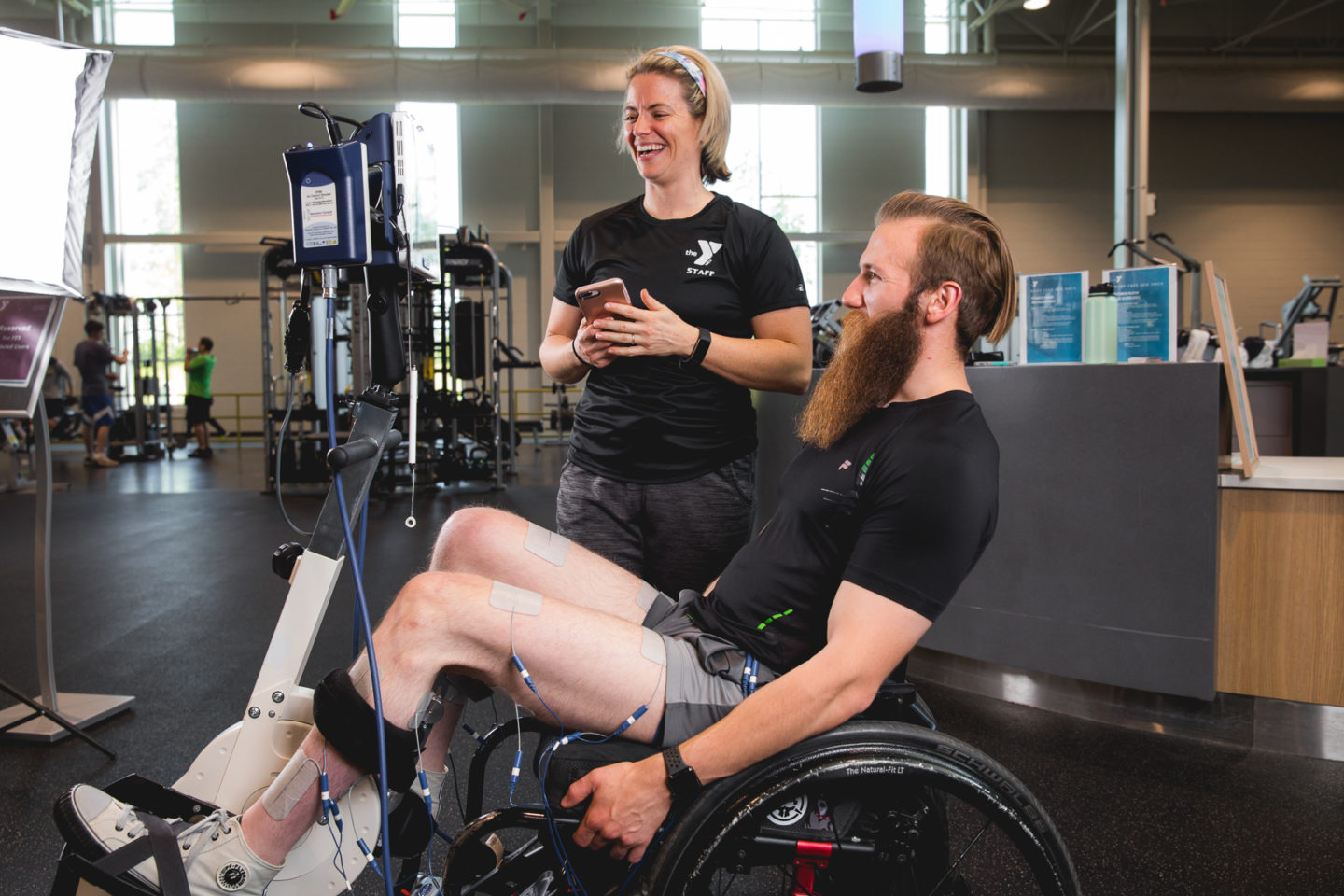
RT300 FES Cycle
Functional Electrical Stimulation (FES) safely uses pulses of electrical current to stimulate peripheral nerves, causing muscle contractions. This specialized therapy tool enables therapists to target specific sets of muscles. This can be effective for improving strength for people with a spinal cord injury or certain neurological conditions.
RT300 FES Cycle
Functional Electrical Stimulation (FES) safely uses pulses of electrical current to stimulate peripheral nerves, causing muscle contractions. This specialized therapy tool enables therapists to target specific sets of muscles. This can be effective for improving strength for people with a spinal cord injury or certain neurological conditions.
RT300 FES Cycle
Functional Electrical Stimulation (FES) safely uses pulses of electrical current to stimulate peripheral nerves, causing muscle contractions. This specialized therapy tool enables therapists to target specific sets of muscles. This can be effective for improving strength for people with a spinal cord injury or certain neurological conditions.
RT300 FES Cycle
Functional Electrical Stimulation (FES) safely uses pulses of electrical current to stimulate peripheral nerves, causing muscle contractions. This specialized therapy tool enables therapists to target specific sets of muscles. This can be effective for improving strength for people with a spinal cord injury or certain neurological conditions.
RT300 FES Cycle
Functional Electrical Stimulation (FES) safely uses pulses of electrical current to stimulate peripheral nerves, causing muscle contractions. This specialized therapy tool enables therapists to target specific sets of muscles. This can be effective for improving strength for people with a spinal cord injury or certain neurological conditions.
RT300 FES Cycle
Functional Electrical Stimulation (FES) safely uses pulses of electrical current to stimulate peripheral nerves, causing muscle contractions. This specialized therapy tool enables therapists to target specific sets of muscles. This can be effective for improving strength for people with a spinal cord injury or certain neurological conditions.
RT300 FES Cycle
Functional Electrical Stimulation (FES) safely uses pulses of electrical current to stimulate peripheral nerves, causing muscle contractions. This specialized therapy tool enables therapists to target specific sets of muscles. This can be effective for improving strength for people with a spinal cord injury or certain neurological conditions.
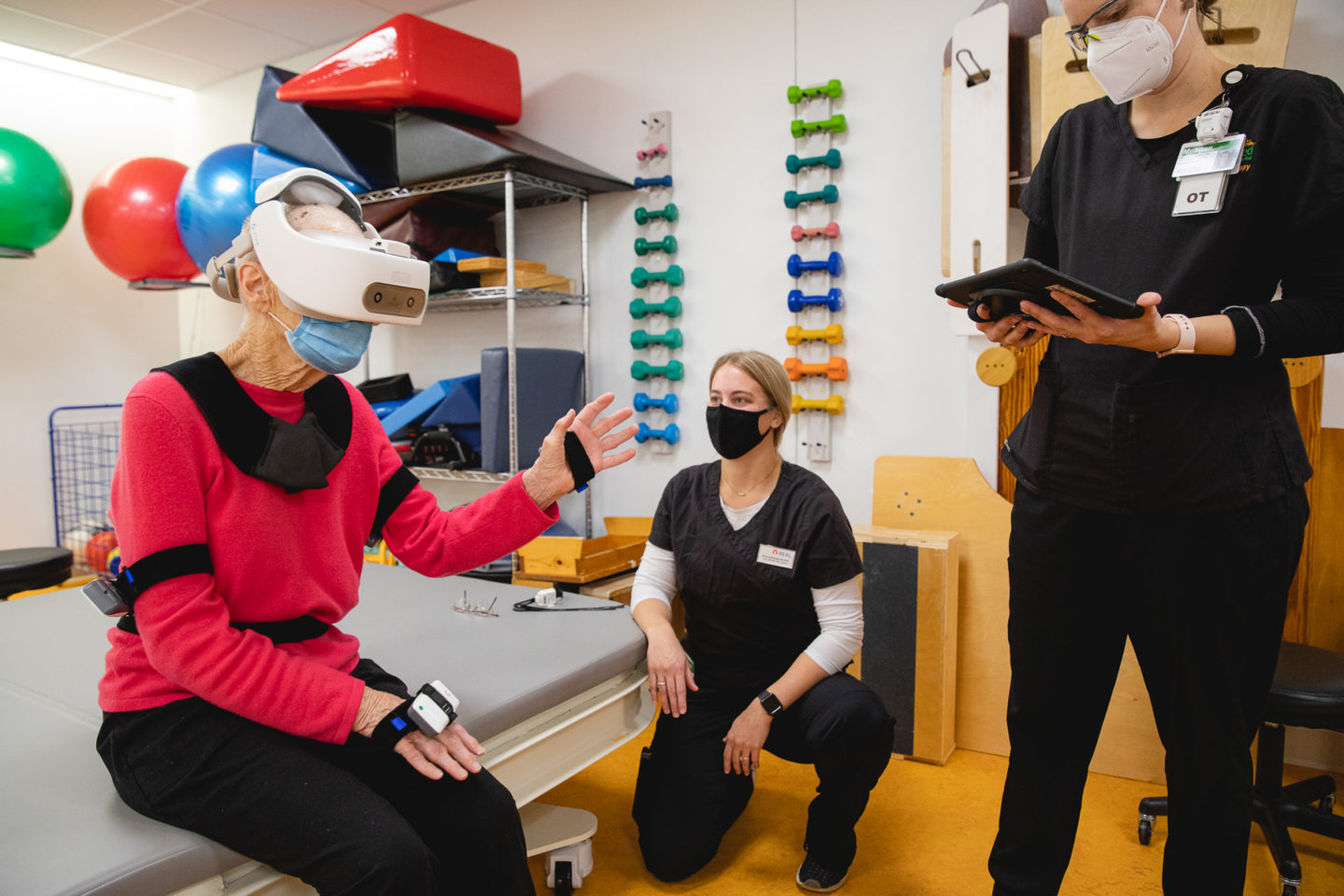
REAL System
This virtual reality system designed for rehabilitation is an engaging therapeutic activity. It uses multiple intensity levels to focus on range of motion, core and balance, cognition and function.
REAL System
This virtual reality system designed for rehabilitation is an engaging therapeutic activity. It uses multiple intensity levels to focus on range of motion, core and balance, cognition and function.
REAL System
This virtual reality system designed for rehabilitation is an engaging therapeutic activity. It uses multiple intensity levels to focus on range of motion, core and balance, cognition and function.
REAL System
This virtual reality system designed for rehabilitation is an engaging therapeutic activity. It uses multiple intensity levels to focus on range of motion, core and balance, cognition and function.
REAL System
This virtual reality system designed for rehabilitation is an engaging therapeutic activity. It uses multiple intensity levels to focus on range of motion, core and balance, cognition and function.
REAL System
This virtual reality system designed for rehabilitation is an engaging therapeutic activity. It uses multiple intensity levels to focus on range of motion, core and balance, cognition and function.
REAL System
This virtual reality system designed for rehabilitation is an engaging therapeutic activity. It uses multiple intensity levels to focus on range of motion, core and balance, cognition and function.
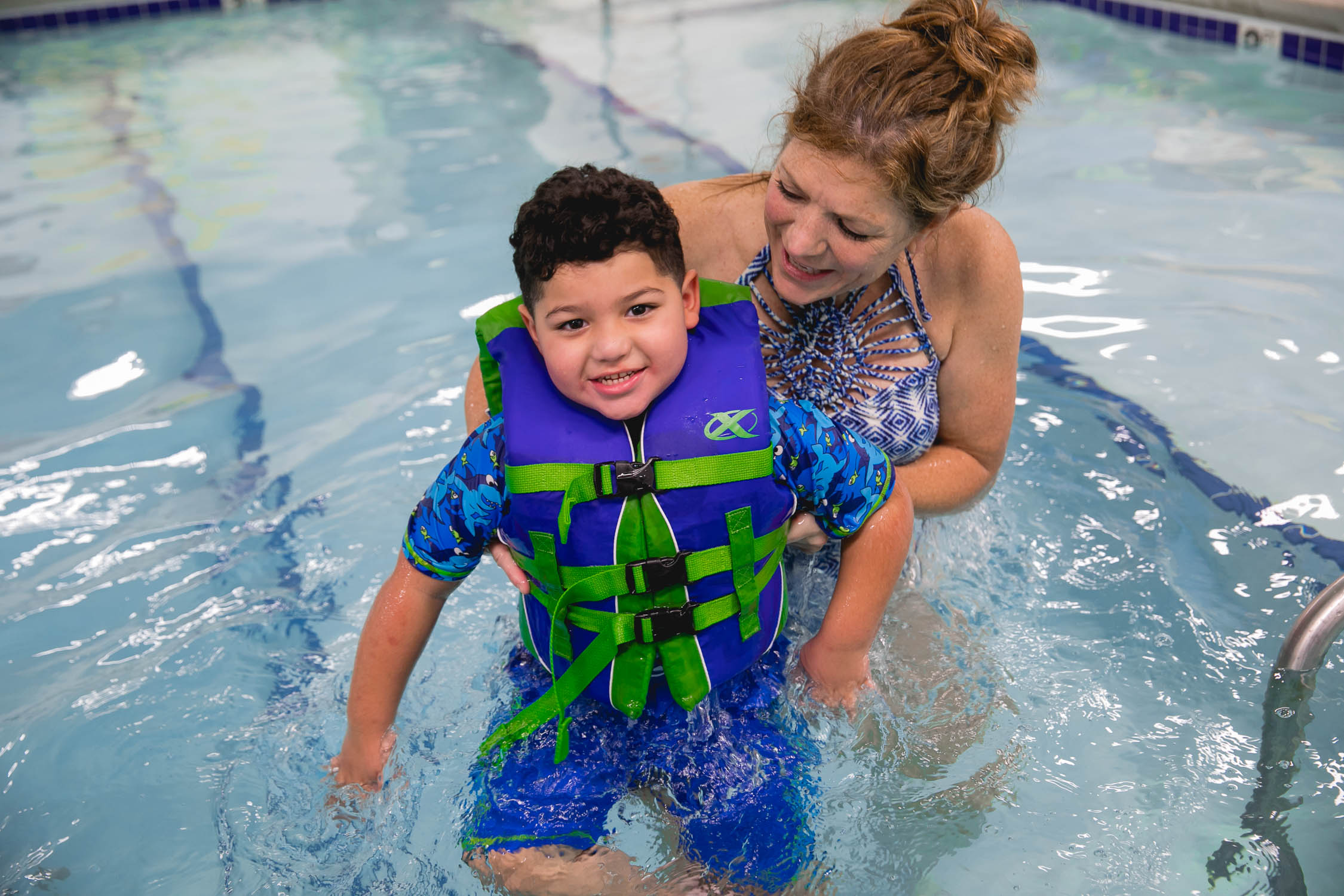
Therapeutic pools
Aqua therapy uses warm temperatures and water’s natural buoyancy to help you move more easily. It also increases circulation and helps muscles relax so you can experience greater range of motion. It’s a safe environment to work on increasing muscle strength and flexibility. It will also help you perform you might not be able to do on land, such as standing or walking.
Mary Free Bed has two therapy pools, including one of the area’s only therapeutic temperature (94 degrees Fahrenheit) pools. A smaller pool at a more traditional temperature (84 degrees Fahrenheit) is a comfortable option if you prefer cooler temperatures.
Three spacious patient changing rooms ensure privacy for you and a caregiver. A ceiling-mounted lift system enhances safety.
Therapeutic pools
Aqua therapy uses warm temperatures and water’s natural buoyancy to help you move more easily. It also increases circulation and helps muscles relax so you can experience greater range of motion. It’s a safe environment to work on increasing muscle strength and flexibility. It will also help you perform you might not be able to do on land, such as standing or walking.
Mary Free Bed has two therapy pools, including one of the area’s only therapeutic temperature (94 degrees Fahrenheit) pools. A smaller pool at a more traditional temperature (84 degrees Fahrenheit) is a comfortable option if you prefer cooler temperatures.
Three spacious patient changing rooms ensure privacy for you and a caregiver. A ceiling-mounted lift system enhances safety.
Therapeutic pools
Aqua therapy uses warm temperatures and water’s natural buoyancy to help you move more easily. It also increases circulation and helps muscles relax so you can experience greater range of motion. It’s a safe environment to work on increasing muscle strength and flexibility. It will also help you perform you might not be able to do on land, such as standing or walking.
Mary Free Bed has two therapy pools, including one of the area’s only therapeutic temperature (94 degrees Fahrenheit) pools. A smaller pool at a more traditional temperature (84 degrees Fahrenheit) is a comfortable option if you prefer cooler temperatures.
Three spacious patient changing rooms ensure privacy for you and a caregiver. A ceiling-mounted lift system enhances safety.
Therapeutic pools
Aqua therapy uses warm temperatures and water’s natural buoyancy to help you move more easily. It also increases circulation and helps muscles relax so you can experience greater range of motion. It’s a safe environment to work on increasing muscle strength and flexibility. It will also help you perform you might not be able to do on land, such as standing or walking.
Mary Free Bed has two therapy pools, including one of the area’s only therapeutic temperature (94 degrees Fahrenheit) pools. A smaller pool at a more traditional temperature (84 degrees Fahrenheit) is a comfortable option if you prefer cooler temperatures.
Three spacious patient changing rooms ensure privacy for you and a caregiver. A ceiling-mounted lift system enhances safety.
Therapeutic pools
Aqua therapy uses warm temperatures and water’s natural buoyancy to help you move more easily. It also increases circulation and helps muscles relax so you can experience greater range of motion. It’s a safe environment to work on increasing muscle strength and flexibility. It will also help you perform you might not be able to do on land, such as standing or walking.
Mary Free Bed has two therapy pools, including one of the area’s only therapeutic temperature (94 degrees Fahrenheit) pools. A smaller pool at a more traditional temperature (84 degrees Fahrenheit) is a comfortable option if you prefer cooler temperatures.
Three spacious patient changing rooms ensure privacy for you and a caregiver. A ceiling-mounted lift system enhances safety.
Therapeutic pools
Aqua therapy uses warm temperatures and water’s natural buoyancy to help you move more easily. It also increases circulation and helps muscles relax so you can experience greater range of motion. It’s a safe environment to work on increasing muscle strength and flexibility. It will also help you perform you might not be able to do on land, such as standing or walking.
Mary Free Bed has two therapy pools, including one of the area’s only therapeutic temperature (94 degrees Fahrenheit) pools. A smaller pool at a more traditional temperature (84 degrees Fahrenheit) is a comfortable option if you prefer cooler temperatures.
Three spacious patient changing rooms ensure privacy for you and a caregiver. A ceiling-mounted lift system enhances safety.
Therapeutic pools
Aqua therapy uses warm temperatures and water’s natural buoyancy to help you move more easily. It also increases circulation and helps muscles relax so you can experience greater range of motion. It’s a safe environment to work on increasing muscle strength and flexibility. It will also help you perform you might not be able to do on land, such as standing or walking.
Mary Free Bed has two therapy pools, including one of the area’s only therapeutic temperature (94 degrees Fahrenheit) pools. A smaller pool at a more traditional temperature (84 degrees Fahrenheit) is a comfortable option if you prefer cooler temperatures.
Three spacious patient changing rooms ensure privacy for you and a caregiver. A ceiling-mounted lift system enhances safety.
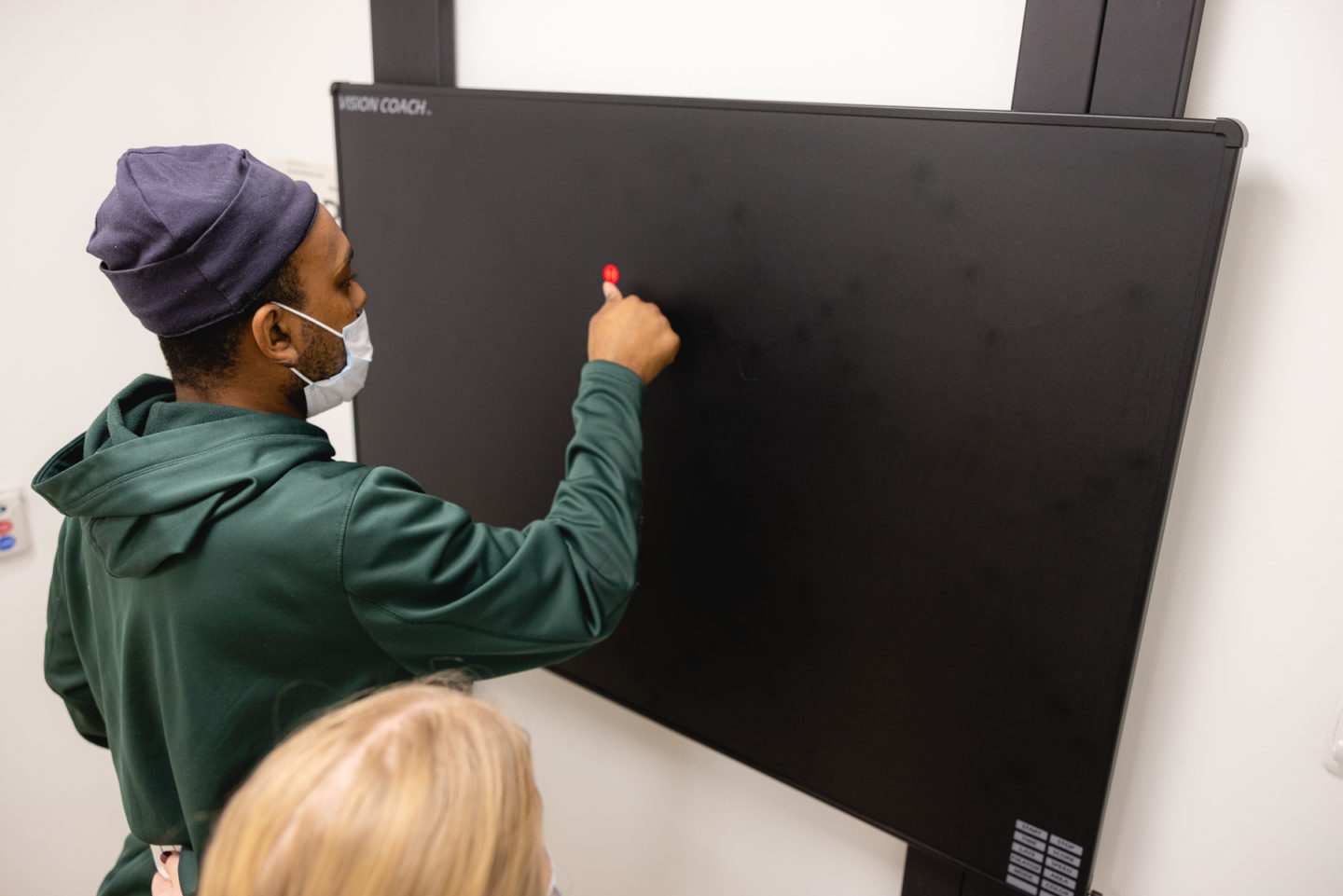
Vision Coach Interactive Light Board
This system enhances visual function, muscular coordination and neuromotor abilities.
Vision Coach Interactive Light Board
This system enhances visual function, muscular coordination and neuromotor abilities.
Vision Coach Interactive Light Board
This system enhances visual function, muscular coordination and neuromotor abilities.
Vision Coach Interactive Light Board
This system enhances visual function, muscular coordination and neuromotor abilities.
Vision Coach Interactive Light Board
This system enhances visual function, muscular coordination and neuromotor abilities.
Vision Coach Interactive Light Board
This system enhances visual function, muscular coordination and neuromotor abilities.
Vision Coach Interactive Light Board
This system enhances visual function, muscular coordination and neuromotor abilities.
Ready to Get Started With Mary Free Bed?
Wherever your child is on their rehabilitation journey, we’re here to help every step of the way. Our pediatric specialists are ready to listen, support and guide your family through recovery. Whether your child is just beginning treatment or continuing progress from earlier care, our team is committed to encouraging their growth, celebrating milestones and supporting every goal—big and small.
Our Locations
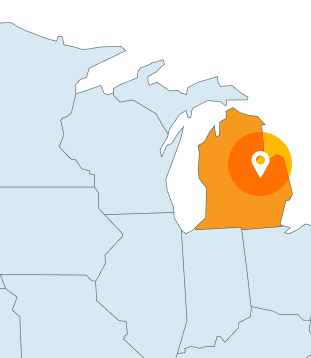
Great Lakes Bay Region
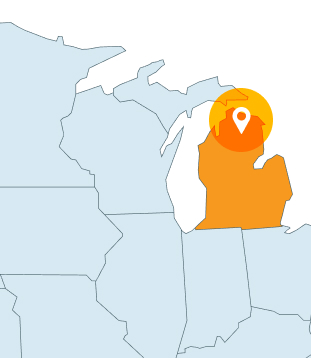
Northern Michigan
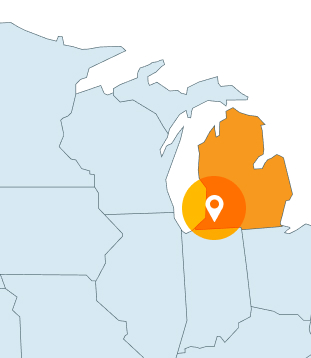
Southwest Michigan
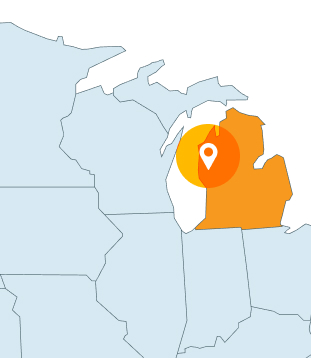
West Michigan
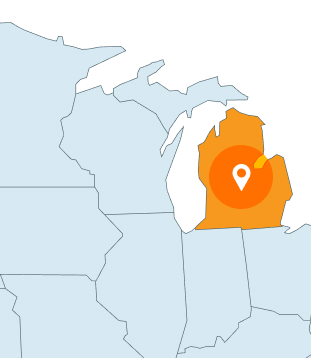
Mid-Michigan
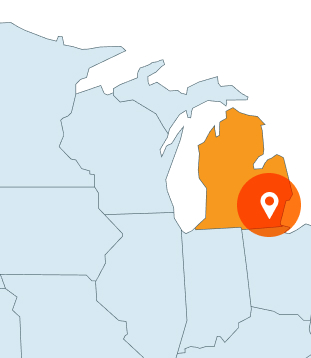
Southeast Michigan
Indiana
Virginia