
Sleep Apnea
A simple question that opens the door to better rest, better breathing, and a foundation for healing. Understanding sleep apnea helps explain why sleep matters so much to your overall health.
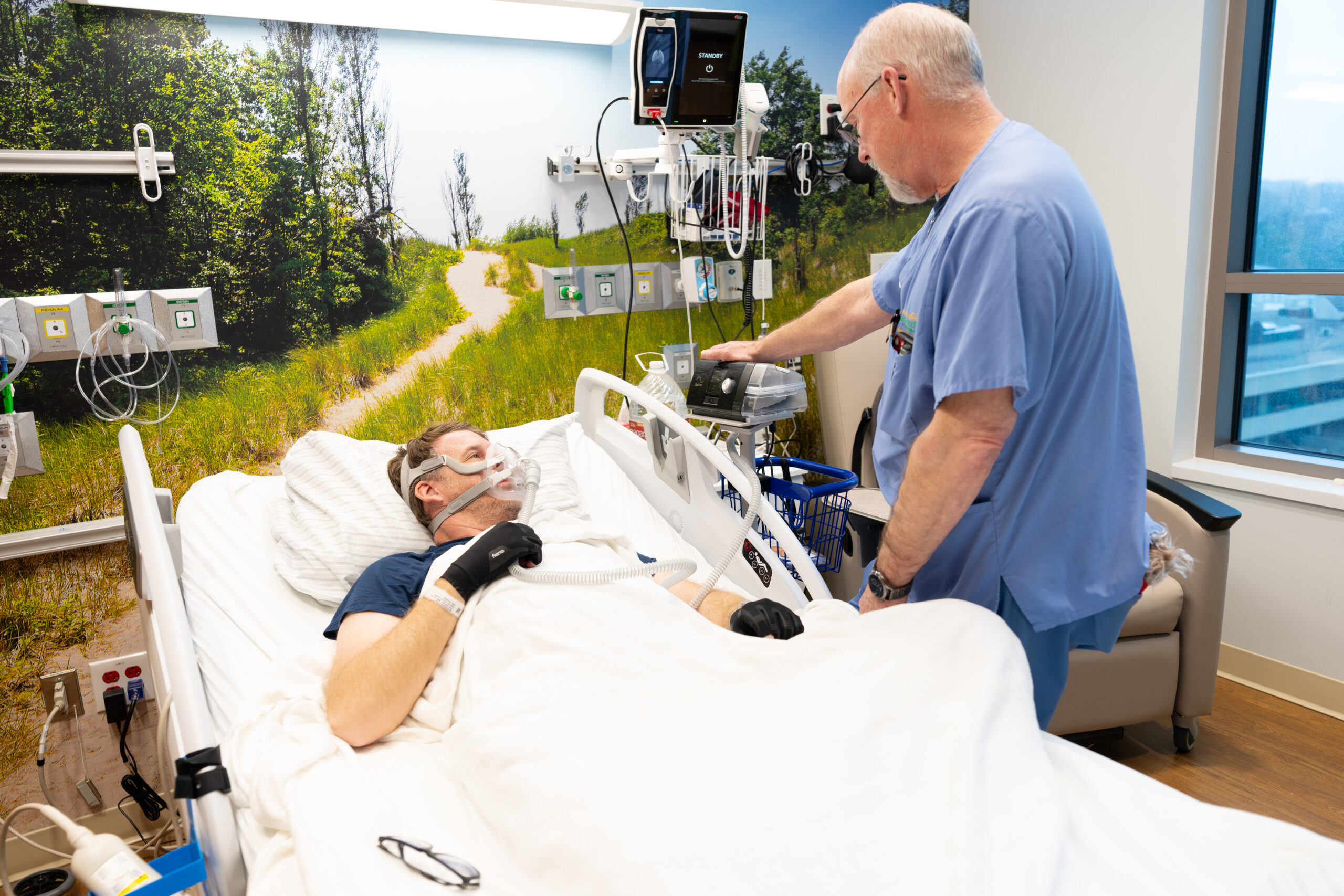
Mary's Story: Turning Loss into Awareness
Mary knows firsthand how vital sleep health can be. Her husband passed away before he could get help for his sleep apnea, a loss that inspired her mission to ensure no one else suffers silently. Through Mary’s compassion, our Sleep Program was built to provide education, support, and early intervention so families can rest easier knowing help is here.
This shared commitment has allowed us to expand education, improve access to testing and treatment, and create resources that support not only our patients, but the whole community.
Start Your Journey to Better Sleep
Better sleep begins with understanding your sleep health. Through Mary’s continued commitment to the community, she has partnered with Cleveland Clinic to offer access to a free sleep app that includes a simple questionnaire to help assess your risk for common sleep disorders. At the end of the assessment, you’ll receive personalized information and local resources to help you take the next steps toward treatment. Download the Sleep by Cleveland Clinic app on the Apple App Store or Google Play.
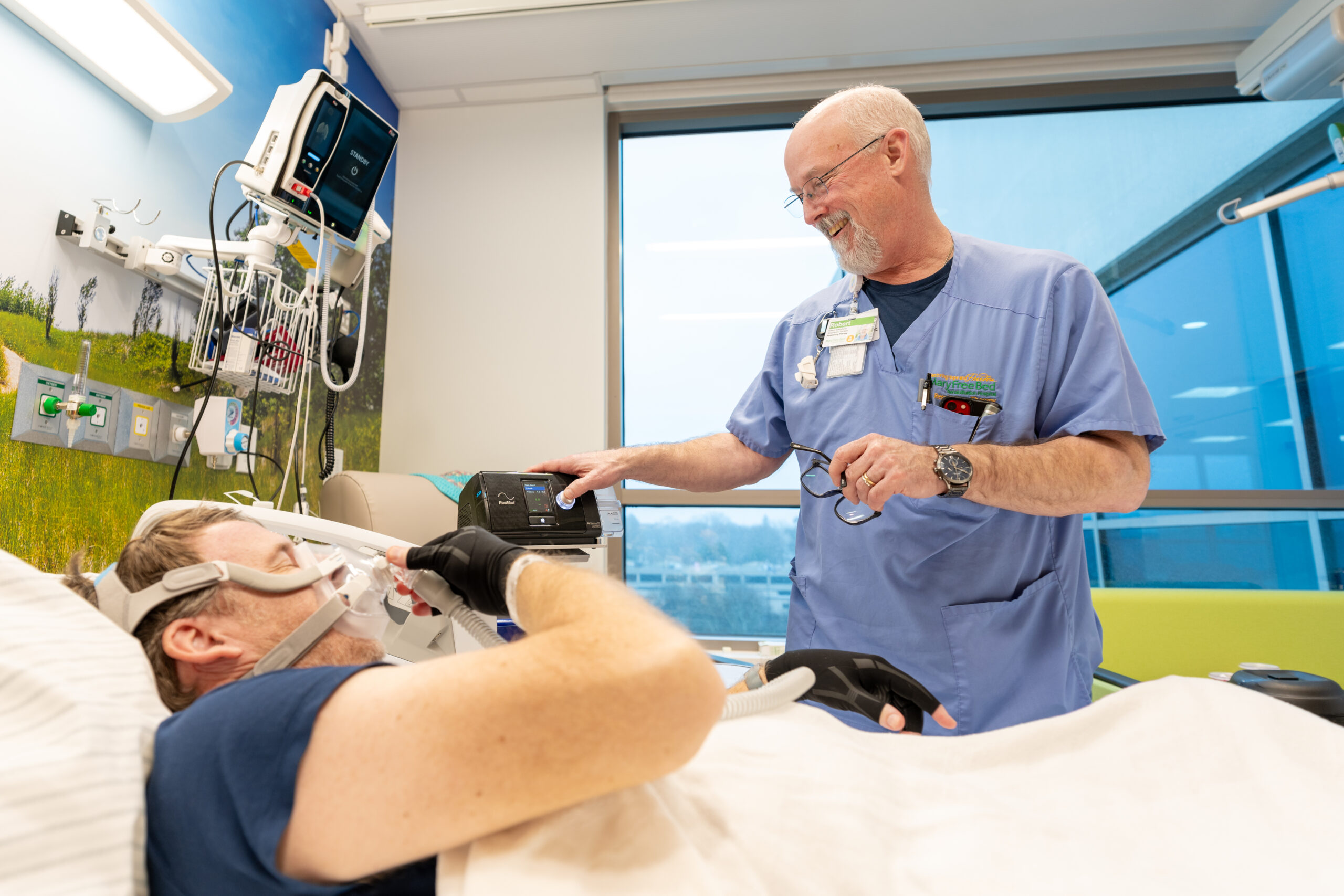
Breathing Easy: Understanding Sleep Apnea and Finding Hope

Understanding Sleep Apnea
Sleep apnea is a common disorder in which breathing repeatedly stops and starts during sleep. These interruptions strain vital organs – especially the heart and brain, and can increase the risk of serious health problems if left untreated. Nearly 1 in 3 Americans has some form of sleep-disordered breathing, and many don’t even realize they have it.
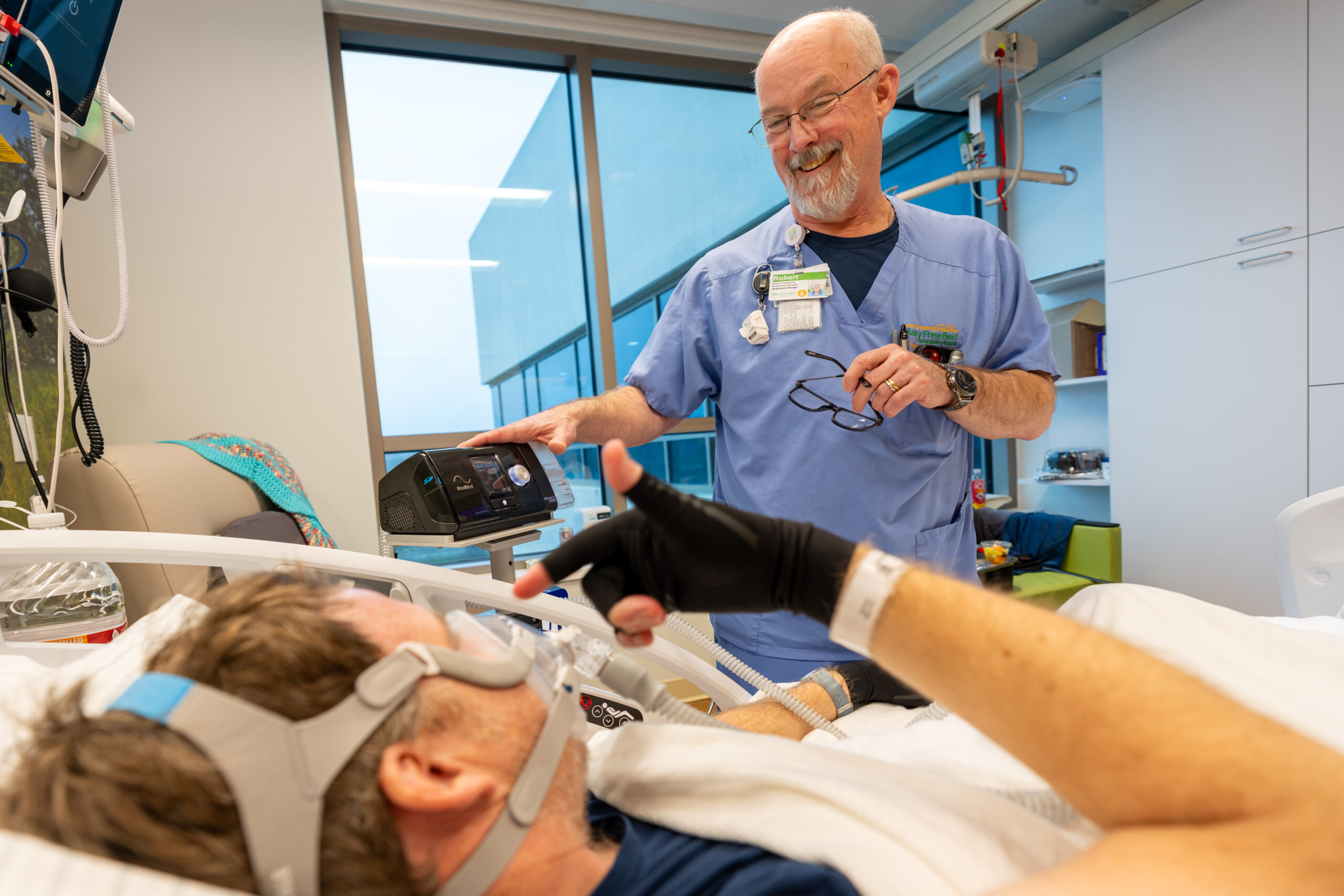
Sleep apnea isn’t always obvious. Daytime symptoms include:
- Morning headaches
- Difficulty focusing
- Mood changes
- Feeling tired, even if you slept all night
- Excessive daytime drowsiness
- Falling asleep unintentionally
Nighttime symptoms include:
- Chronic, loud snoring
- Gasping or choking
- Waking up frequently
- Restless sleep
These are all signs that your breathing is being interrupted.
When sleep apnea goes untreated, the effects extend beyond poor sleep. Ongoing daytime exhaustion, difficulty focusing and brain fog can make it harder to stay alert and perform everyday tasks safely.
Repeated interruptions in breathing can also place added strain on the body and contribute to high blood pressure. Over time, untreated sleep apnea may increase the risk of serious health conditions, including heart disease, stroke and diabetes. In severe cases, it can lead to life-threatening complications.
More Information About Sleep Apnea
Different Types
Obstructive Sleep Apnea (OSA): The most common form, caused by the airway becoming blocked or collapsing during sleep.
Central Sleep Apnea (CSA): Caused by the brain not sending proper signals to the muscles that control breathing.
Some patients have a combination, called complex sleep apnea.
Causes
Risk factors include excess weight, neck circumference, family history, smoking, nasal congestion, and certain medical conditions. However, anyone can develop sleep apnea — even people who are thin and healthy.
Testing & Treatment
The Mary Free Bed Sleep Program offers flexible testing options, including in-hospital or at-home sleep testing, to help identify sleep-related breathing problems. If treatment is recommended, we’ll provide a personalized equipment setup, including CPAP or BiPAP. We’ll ensure your equipment fits and is adjusted for your needs. Ongoing support is available to help address concerns, improve comfort and make sure your treatment works effectively.
Follow-Up Care
Your care doesn’t end when treatment begins. The Mary Free Bed Sleep Program provides a comprehensive continuum of care designed to help you sleep soundly.
90-Day Check-In: Your provider will review your progress and answer any questions you may have. They’ll adjust your therapy as needed.
Annual Follow-Up Visits: Your provider will review your therapy and assess your ongoing progress. They’ll also make sure you have all the supplies you need to continue treatment.

Sleep Care that fits your Recovery Journey
We offer something unique:
Inpatient Sleep Care Process
What can take months in an outpatient setting is often completed during your inpatient rehabilitation stay. While you focus on recovery, our team manages the entire sleep care process, from evaluation and testing to equipment setup and education. We also assess whether inpatient diagnosis and treatment are the right fit at this time, and if not, we guide you with clear next steps to continue care safely as an outpatient.
Team Approach
Our multidisciplinary team, including respiratory therapists, physicians, and nurses, works together to help you achieve better sleep and better health.
Personalized Mask Fitting
Our specialists ensure your mask fits comfortably and effectively because one size never fits all. Our team can monitor progress night after night, or over time, allowing for more individualized adjustments to settings, mask fit and patient comfort concerns.
Dedicated Education & Support
Before you go home, you’ll receive hands-on instruction, personalized tips, and ongoing support to help you feel confident using your equipment.

Robert explains his CPAP breathing machine experience at Mary Free Bed

Frequently Asked Questions
Here are questions we often hear from patients who are interested in respiratory therapy. Talk with your treatment team about specific questions or concerns.
How does a CPAP machine work?
A CPAP machine gently blows air through a mask into your airway to keep it open while you sleep. This prevents pauses in breathing and helps you get more restful, restorative sleep.
How do I know if my mask fits correctly?
Your mask should feel snug but comfortable, without air leaks or pressure points. If you notice irritation, leaks or discomfort, contact your provider. They’ll recommend adjustments you can make, like trying nasal pillows or a full-face mask. These adjustments can make a big difference.
What if I can't get used to my CPAP mask?
It’s common to have trouble adjusting to wearing a CPAP mask. Try wearing the mask for short periods while you’re awake to get used to it. Make sure your straps aren’t too tight and your humidifier settings are comfortable. Your respiratory therapist can also help you find a better fit or troubleshoot any issues from your durable medical equipment (DME) company.
How often should I clean my equipment?
Clean your mask cushion with mild soap and warm water every day. Your headgear and tubing can be washed weekly. Filters should be replaced as instructed by your equipment provider. Let everything air dry completely.
How often should I replace my CPAP supplies?
Replacing your equipment frequently helps keep it clean and effective. See below for recommendations on how often you should clean your equipment.
- Mask cushion: every 1–3 months
- Headgear: every 6 months
- Tubing: every 6 months
- Filter: monthly or as needed
- Water chamber: every 6 months
It’s also important to follow up at least once a year with your sleep center. This ensures your supplies continue to be covered by insurance. Your physician can renew your prescription as needed. Regular check-ins also give you a chance to review your settings, comfort and progress.
What if I wake up with a dry mouth or stuffy nose?
You may need to adjust your humidity or temperature settings. If you use a nasal mask and breathe through your mouth, adding a chin strap or switching to a full-face mask may help.
Can I travel with my CPAP machine?
Yes! CPAP machines are portable and allowed on airplanes. Always bring it as a carry-on item and carry your prescription in case airport security asks.
Do I have to use CPAP every night?
For best results, yes. Sleep apnea returns whenever the CPAP isn’t used. Regular nightly use improves energy levels, mood and heart health.
How do I order new supplies?
Most suppliers send reminders when it’s time to replace parts. You can also contact our Respiratory Team at your durable medical equipment (DME) company directly for assistance with ordering or billing questions. Their number should be listed on your unit.
Who can I call if I have problems with my CPAP?
Don’t hesitate to reach out if something doesn’t feel right—small adjustments can make a big difference in your comfort and success. Call your durable medical equipment (DME) company or sleep center if you have concerns about your CPAP. They can review your CPAP device data and sleep logs, perform a thorough equipment audit and determine if any adjustments need to be made. They can also help with mask fit, pressure issues or comfort concerns.
What’s happening at Mary Free Bed?



Ready to get started with Mary Free Bed?
Wherever you are in your journey, we’re ready when you are. Our team is here to listen, support and help guide your recovery. Whether you’re just starting out or picking up where you left off, we’re ready to support your goals—big and small.