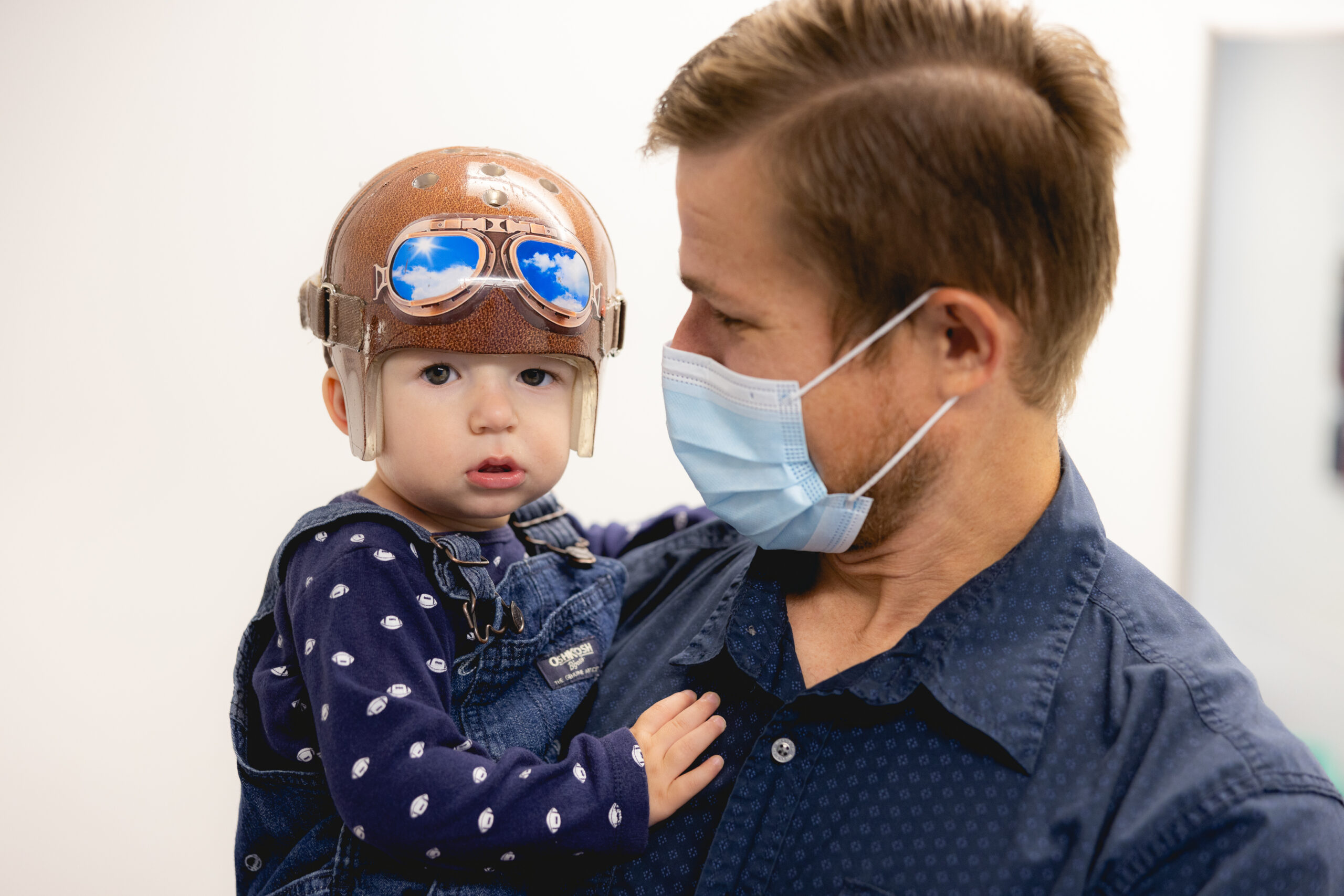
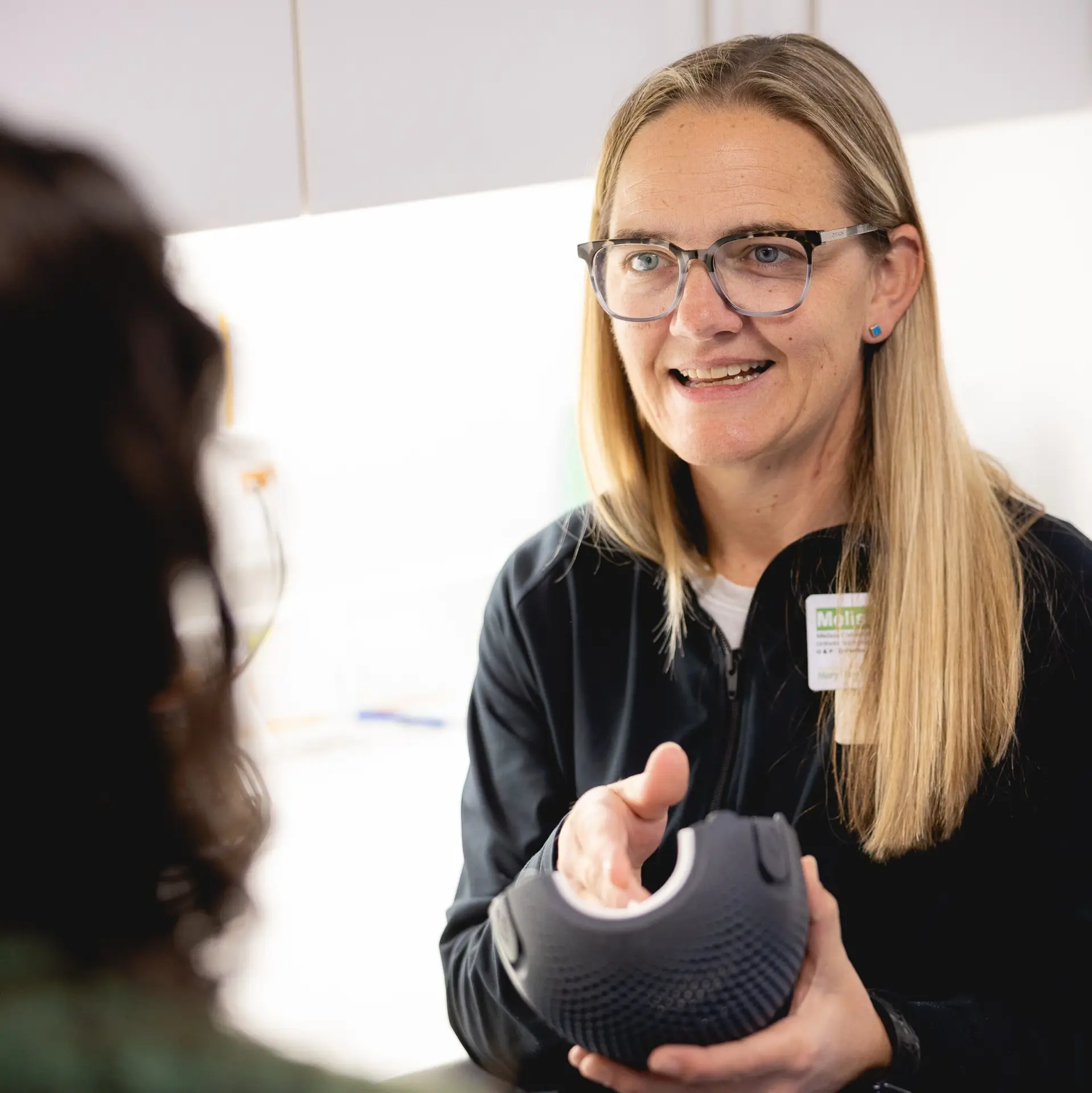
Every infant’s journey through cranial remolding treatment is unique. While advanced technology, clinical expertise and carefully designed orthotic devices are essential components of successful treatment, they’re only part of the equation. Equally important is the relationship between clinicians and families. When providers establish trust, communicate openly, and partner with caregivers throughout treatment, families often feel more confident, engaged, and motivated to follow treatment recommendations. This collaborative approach can significantly influence treatment success and the overall patient experience.
Relationship-based care creates an environment where families feel supported during what can be an emotional and sometimes overwhelming process. By combining clinical excellence with compassion, clinicians can help families achieve the best possible outcomes for their child.
Understanding Head Shape Differences and When Cranial Remolding Is Recommended
Head shape differences are common during infancy. Conditions such as plagiocephaly (asymmetrical head shape), brachycephaly (widening and flattening of the back of the head), and Asymmetrical Brachycephaly (a combination of Plagiocephaly and Brachycephaly) may develop due to external positioning forces or other factors affecting cranial growth.
Parents are often the first to notice a change in their baby’s head shape. In some cases, pediatricians identify cranial asymmetries during routine well-child visits. While many mild head shape differences improve with repositioning techniques, increased tummy time, and treatment of associated muscular conditions such as torticollis, some infants may require cranial remolding orthosis treatment to achieve optimal head shape.
Clinicians typically discuss cranial remolding when:
- Head shape asymmetry persists despite conservative measures.
- The infant demonstrates moderate to severe cranial deformation.
- Growth potential remains sufficient to support correction.
- The family desires intervention after understanding available treatment options.
The decision to begin treatment isn’t solely based on measurements. It’s also based on understanding family goals, concerns, and expectations. Meaningful conversations during this stage help ensure that treatment decisions are individualized and family-centered.
How Cranial Remolding Treatment is Initiated
The cranial remolding process begins with a comprehensive clinical evaluation with a certified orthotist. The evaluation includes:
- Gathering medical history
- Reviewing developmental milestones
- Evaluating head shape
- Measuring head shape through scans
If treatment is recommended, a custom cranial remolding orthosis is designed based on the infant’s unique anatomy. The device works by directing natural cranial growth into areas with greater space while limiting growth in more prominent areas. Because infants experience rapid skull growth during the first year of life, treatment leverages this natural growth process to gradually improve head shape symmetry. Evaluations can take place between 3-12 months of age. The ideal treatment age is between 4-6 months when the head is changing rapidly and results are seen quickly.
Treatment typically involves:
- Custom orthosis fabrication
- Gradual adaption to full-time wear
- Wearing the orthosis 23 hours per day
- Routine follow-up appointments for assessment and adjustments
- Ongoing monitoring of growth and treatment progress
Throughout treatment, clinicians serve not only as experts but also as educators and partners. They’ll address common concerns such as:
- Skin care
- Wear schedules
- Developmental milestones
- Day-to-day with the orthosis
Responsive communication and personalized support help families navigate these concerns with confidence.
Meaningful Relationships Lead to Better Outcomes
Clinical outcomes are often strongest when families feel connected to and supported by their care team. Cranial remolding treatment requires a significant commitment from caregivers. Adherence to the prescribed wear schedule, attendance at follow-up appointments, and communication regarding concerns all play important roles in treatment success.
When clinicians establish strong relationships with families, several positive outcomes frequently occur.
Improved Compliance
Families who understand the purpose of treatment and trust their clinician are more likely to follow recommended wear schedules. Consistent orthosis use allows treatment to progress efficiently and maximizes the opportunity for correction during periods of rapid growth.
Greater Confidence and Reduced Anxiety
Parents frequently experience worry or guilt when learning their infant may need a cranial remolding orthosis. Compassionate counseling helps normalize these feelings and provides reassurance that they’re not facing the journey alone.
Earlier Identification of Concerns
Families who feel comfortable communicating with their clinician are more likely to report issues promptly. Whether addressing skin irritation, growth changes or concerns about device fit, early intervention helps maintain treatment momentum.
Enhanced Family Engagement
Successful treatment is truly a partnership. Engaged families become active participants in the process, celebrating progress milestones and maintaining consistency throughout the treatment plan.
Positive Overall Experience
While objective correction measurements are important, the family’s experience matters as well. Feeling heard, respected and supported contributes significantly to satisfaction with care and builds lasting trust between clinicians and families.
In many cases, it is this relationship, rather than the orthosis alone, that helps families remain committed throughout treatment.
The Impact of Compliance on Head Shape Correction
One of the strongest predictors of successful cranial remolding outcomes is adherence to the prescribed wear schedule.
Cranial remolding orthoses are designed to be worn approximately 23 hours each day to guide growth effectively. When wear time is consistent and follow-up visits occur as scheduled, clinicians can monitor progress closely and make adjustments.
What Families Can Expect at the First Appointment
The first appointment is often a family’s introduction to the cranial remolding process. For many parents, it’s also a time filled with questions and concerns.
During the visit, families can expect:
A Comprehensive Evaluation
The clinician will assess head shape, collect relevant medical history and evaluate factors that may contribute to cranial asymmetry.
Advanced Measurement Technology
Our O&P+B locations use digital imaging to capture precise head shape measurements. These scans provide objective information that guides treatment recommendations.
Education and Discussion
Families receive information about:
- The diagnosis
- Severity measurements
- Treatment options
- Expected outcomes
- Timing considerations
- Wear schedules and follow-up care
Development of a Personalized Care Plan
If treatment is recommended, the clinician works with the family to outline next steps and establish realistic expectations.
Most importantly, the first appointment should help families feel supported. Beyond collecting measurements and discussing treatment, clinicians have the opportunity to begin building a relationship that will serve as the foundation for the entire care journey.
Beyond the Orthotic
Cranial remolding treatment is a highly specialized clinical intervention designed to guide healthy skull growth and improve head shape symmetry during infancy. However, successful outcomes depend on more than clinical expertise alone.
The strongest results occur when knowledgeable clinicians partner with engaged families through a relationship built on trust, communication, empathy and shared goals. When families feel heard, supported and empowered, they are more likely to remain compliant with treatment recommendations and actively participate in their child’s care.
Clinical excellence and compassionate partnership aren’t separate components of care. Together, they create the foundation for successful cranial remolding treatment, positive family experiences and life-changing outcomes for infants and their families alike.
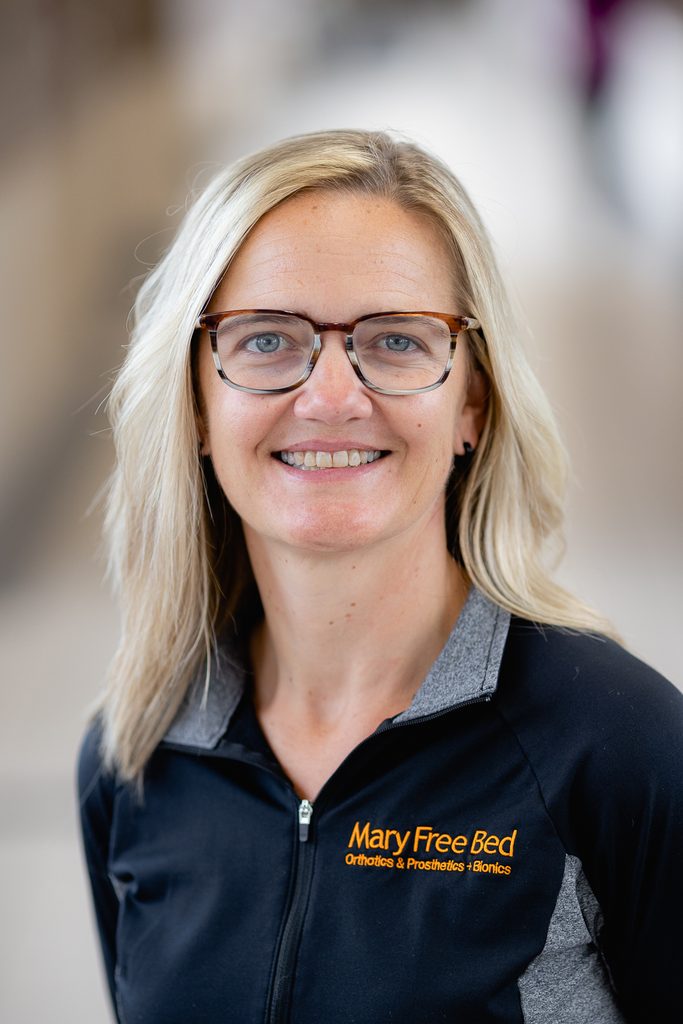
Melissa specializes in cranial remolding treatment and has helped thousands of infants with head shape differences. With extensive experience and a compassionate approach, she understands that every baby—and every family—is unique. She believes in partnering with parents every step of the way and creating a care experience where families feel informed and confident in their child’s treatment plan.
Melissa’s cranial research has been published in the Journal of Prosthetics and Orthotics. Melissa has been part of the Mary Free Bed Hospital team since 2012 and looks forward to getting to know each patient and their family.
By Melissa Cordial-Stout, B.O.C.O
10/8/2026