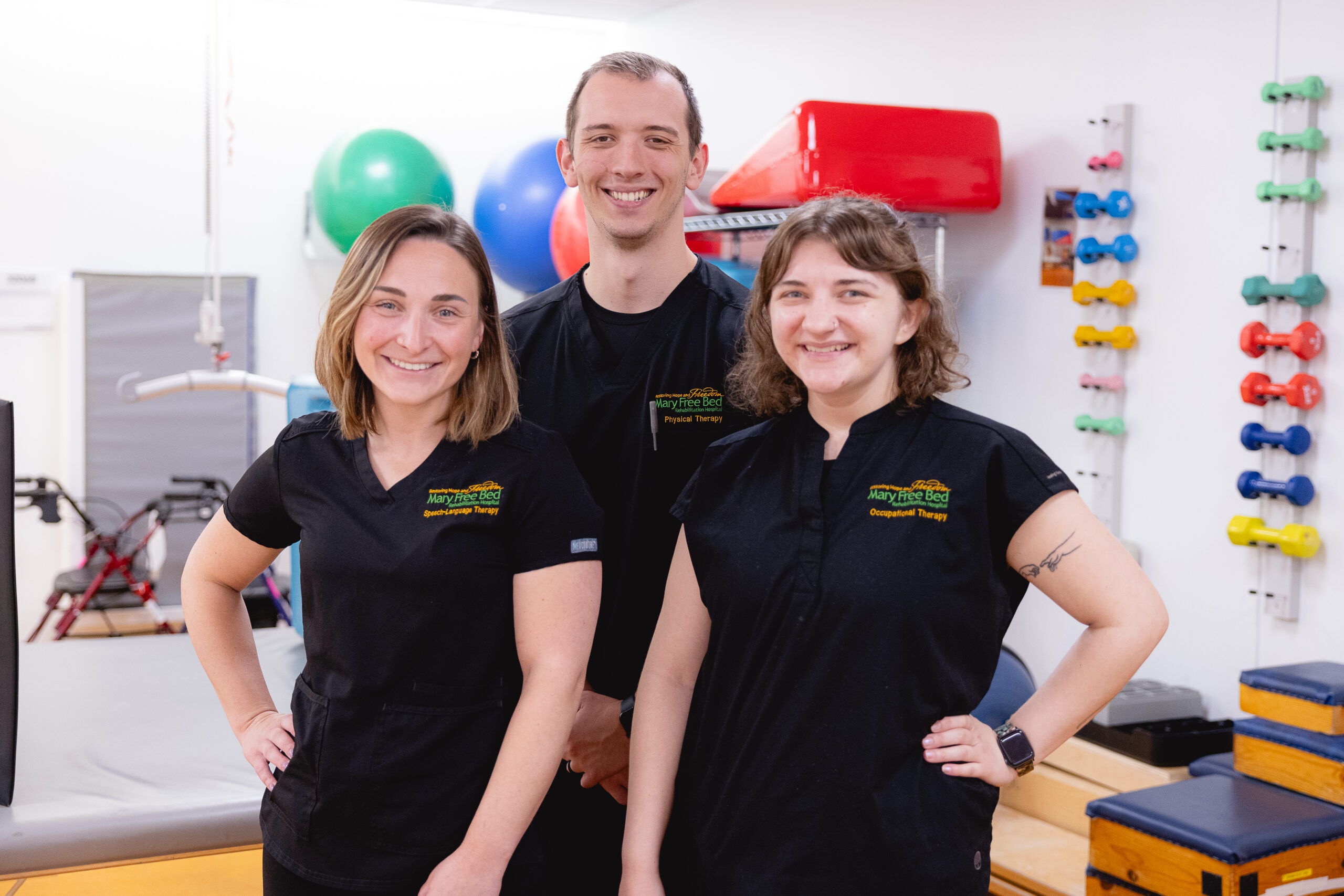
Returning home after a stroke is an important milestone in the stroke recovery journey. Understanding what to expect after stroke rehabilitation can help you and your family feel more prepared, confident and supported during the transition home. A stroke occurs when blood flow to the brain is interrupted, which can affect movement, speech and cognitive function. As you or your loved one begin stroke recovery at home, having the right information and support can make a meaningful difference in long-term outcomes.
What to Expect at Discharge After Inpatient Stroke Rehabilitation
As you prepare for life after stroke rehabilitation, the discharge process is designed to ensure a safe and successful transition home. Once the care team establishes a discharge date, each discipline begins finalizing recommendations for ongoing therapies, case management, medical care, medications and equipment.
You and your family will receive individualized, hands-on training on safe ways to assist with mobility, daily activities, cognition and communication. We’ll also answer any questions you may have about medication management and other care needs.
If you need adaptive equipment, like a walker, wheelchair or shower chair, we can help you make arrangements. We’ll refer you to stroke therapy services and other health care supports. We can even help you coordinate transportation to and from your appointments.
At Mary Free Bed, discharge is known as “graduation.” When you graduate, there will be a “cheer out,” where therapists and team members line the halls to recognize your hard work and progress during stroke rehabilitation. This moment marks an important achievement and the beginning of the next stage of stroke recovery.
Continuing Stroke Rehabilitation: Home Health vs. Outpatient Therapy
After a stroke, continuing stroke rehabilitation is essential to long-term recovery and independence. Returning home doesn’t mean recovery is complete. In most cases, your care team will recommend continued stroke therapy services to support ongoing progress.
Home health services bring health care professionals directly to your home to provide stroke care and therapy. This option is often recommended when a stroke survivor isn’t ready to travel to a clinic. During this stage of post-stroke recovery, the goal is to build strength, improve safety and increase independence at home while gradually preparing to reengage with the community.
Outpatient stroke rehabilitation takes place at a clinic or rehabilitation center where patients travel to receive therapy and medical care. This setting often allows for more intensive therapy and access to specialized equipment. Some individuals may transition from home health to outpatient care, while others may begin outpatient stroke therapy services immediately after discharge.
Types of Stroke Therapy: PT, OT, Speech and Nursing Care
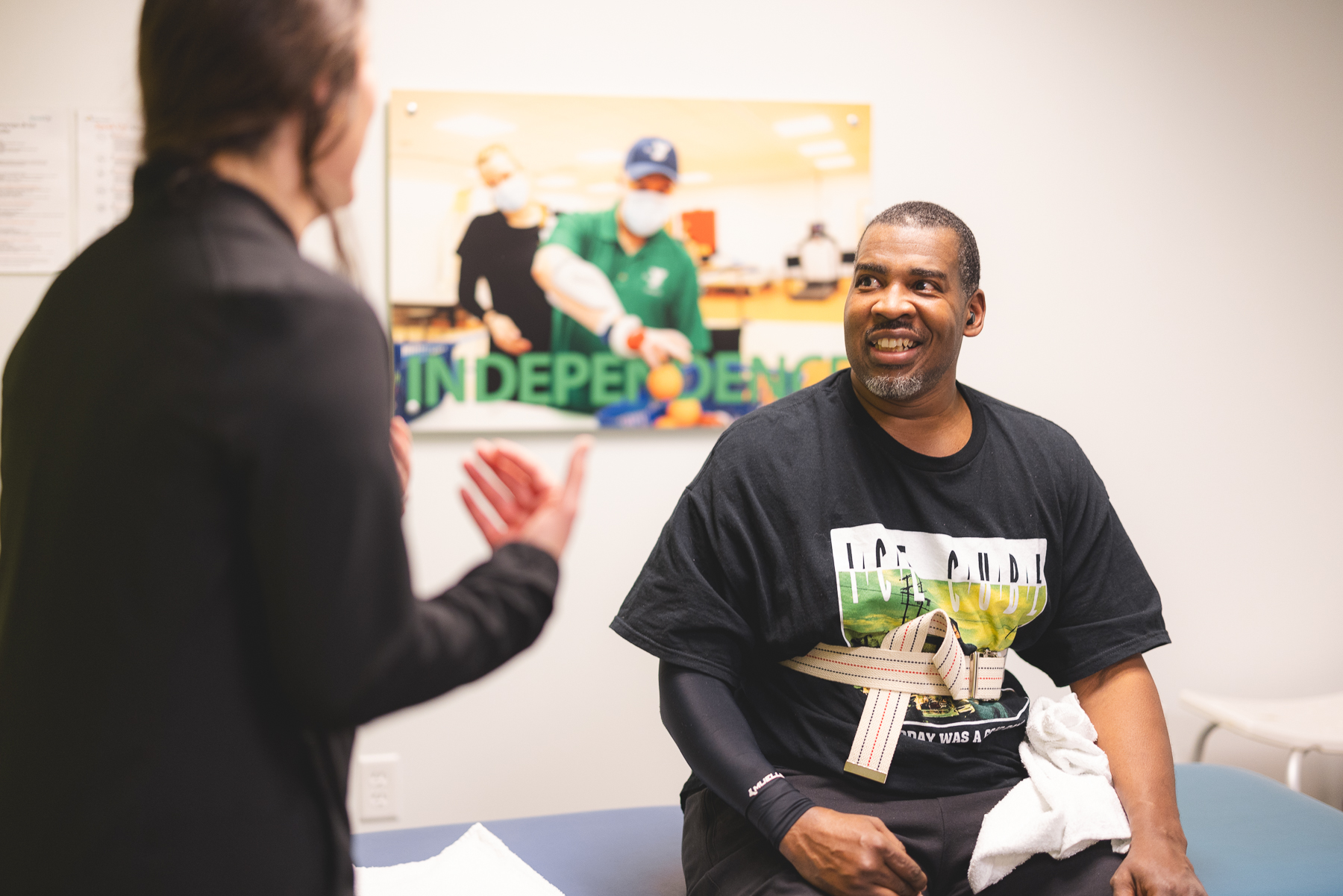
Stroke therapy services play a critical role in helping patients regain independence and return to doing what they love after a stroke. You or your loved one may continue to participate in several different kinds of therapies after they return home.
- Physical therapy (PT) focuses on improving movement and mobility, including walking, climbing stairs, balance, coordination and strength.
- Occupational therapy (OT) helps individuals regain independence during daily activities such as dressing, grooming, cooking, eating, and using the bathroom.
- Speech therapy addresses communication, swallowing, memory, problem-solving and other cognitive skills.
- Nursing services assist with medical needs such as medication management, monitoring wounds, bathing and catheter care.
The frequency of these services will vary based on your loved one’s specific needs and stroke recovery goals. Follow-up appointments with physicians are also an important part of post-stroke recovery to monitor progress, manage medications and address ongoing medical concerns. Continued stroke rehabilitation plays a key role in helping individuals return to meaningful daily activities.
How to Support a Loved One After a Stroke at Home
Caring for a stroke survivor at home can be both rewarding and challenging for caregivers. One of the most important aspects of stroke caregiving is finding the right balance between encouraging independence and providing necessary support.
The Stroke Rehabilitation Team will provide guidance on the level of assistance needed after stroke rehabilitation. However, these needs often change as stroke recovery progresses and your loved one regains strength, mobility and confidence. Attending health care appointments together can help you better understand stroke recovery progress and how to safely provide support at home.
Patience is essential during stroke recovery. Everyday tasks may take longer than they did before the stroke. While it may be tempting to step in, allowing your loved one to complete tasks independently—when it’s safe to do so—helps rebuild confidence. With the right support, caregivers play a critical role in stroke patient recovery and long-term success.
Stroke Prevention After Recovery: Reducing Risk of Another Stroke
Stroke prevention is a critical part of long-term recovery after a stroke. Many stroke survivors face an increased risk of experiencing another stroke, making proactive care essential.
According to the Centers for Disease Control and Prevention, approximately 795,000 strokes occur each year in the United States, and 1 in 4 occur in individuals who have previously had a stroke. Managing risk factors such as high blood pressure, diabetes, high cholesterol, heart disease and smoking is essential in reducing stroke recurrence.
Prevention strategies include:
- Maintaining a healthy diet
- Participating in regular physical activity
- Taking medications as prescribed
- Quitting tobacco use
- Attending appointments as scheduled
Working with a primary care physician can provide additional guidance and support in managing these conditions. Recognizing the warning signs of a stroke is also important. Quick medical attention can significantly improve outcomes and reduce long-term complications.
Stroke Support Groups and Resources for Patients and Caregivers
Stroke recovery doesn’t end after leaving the hospital. Stroke support groups and community resources can play an important role in ongoing recovery for both patients and caregivers.
Adjusting to life after a stroke often comes with new challenges. Connecting with others who are going through similar experiences can provide emotional support, practical advice and encouragement throughout the stroke recovery journey.
The American Stroke Association offers tools to help individuals find stroke support groups in their local area. Below, you’ll find the details for the Mary Free Bed Stroke Support Group.
Mary Free Bed Stroke Support Group
This group is open to stroke survivors and their loved ones.
When: First Wednesday of every month (no meeting in January or July)
6:15–7:15 PM
Where:
Mary Free Bed Professional Building 350 Lafayette Ave. SE Grand Rapids
For more information, contact Katie Harrington at 616.840.8922 or katie.harrington@maryfreebed.com.
Stroke Recovery at Home
Stroke recovery takes time, patience and the right support system. By understanding what to expect after stroke rehabilitation and continuing care at home, you can play an essential role in helping your loved one regain independence and get back to doing what they love. With the right combination of therapy, caregiver support and prevention strategies, long-term recovery after a stroke is possible.
Meet The Authors
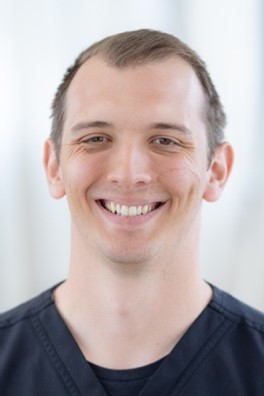
Adam Gutting, PT, DPT, is a physical therapist at Mary Free Bed who is passionate about helping individuals regain function and independence after neurologic injury. He first trained at Mary Free Bed as a student prior to graduating in 2025 and returned to join the team that same year. Adam is currently pursuing a neurologic residency to further advance his clinical expertise and specializes in neurologic rehabilitation. In his practice, he focuses on improving strength, balance, coordination and mobility to support patients in achieving meaningful recovery and returning to their daily lives.
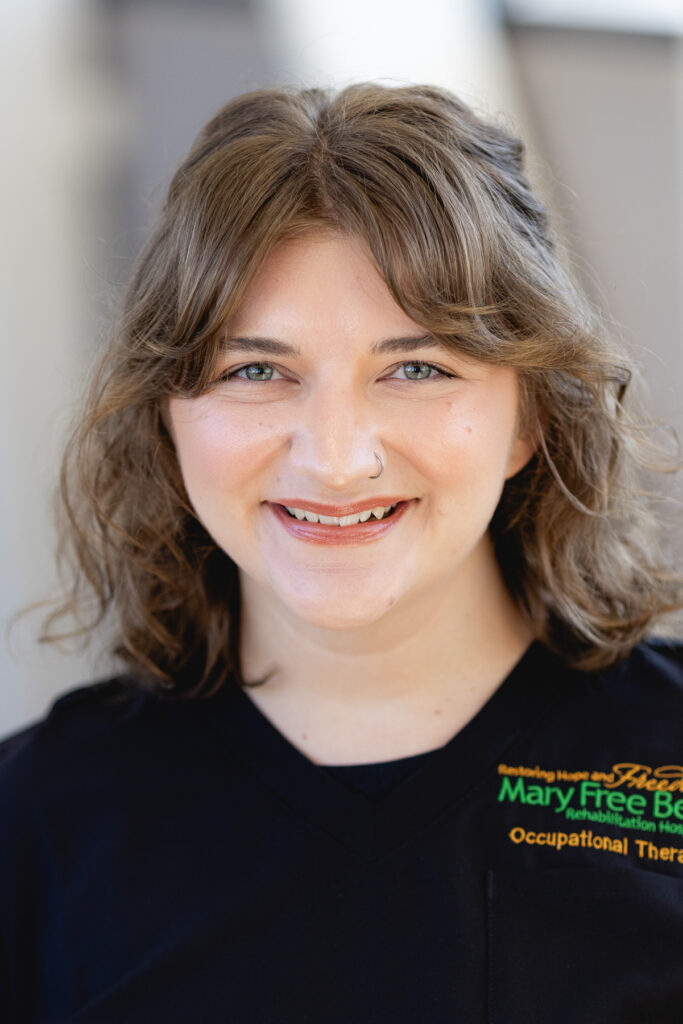
Rachel Daley, MSOT, OTRL, earned her Master of Science in occupational therapy from Saginaw Valley State University in 2022. She practiced for two years in the acute care setting before joining the team at Mary Free Bed as a neurologic occupational therapy fellow. Her passion for treating neurological conditions and love of learning inspired her to seek out the Mary Free Bed Occupational Therapy Fellowship. Throughout her time at Mary Free Bed, she’s been able to grow in her knowledge as an OT in the areas of inpatient stroke, brain injury, spinal cord injury and outpatient neuro therapy. She’s passionate about empowering her patients to reach their full potential.
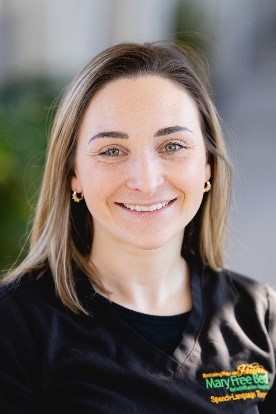
Jaime Farrington, M.A., CCC-SLP, CBIS is a speech-language pathologist and certified brain injury specialist. She has been with Mary Free Bed Rehabilitation Hospital since 2017. Her clinical areas of expertise include cognitive-communication disorders, motor speech disorders and impairments in swallow function. She also specializes in interventions that focus on functional activities that assist people with returning to their highest level of independence following an acquired brain injury.
Citations:
- Centers for Disease Control and Prevention. (n.d.). Stroke facts. Centers for Disease Control and Prevention. https://www.cdc.gov/stroke/data-research/facts-stats/index.html
- Northwestern Medicine. (n.d.). Warning signs of a stroke. https://www.nm.org/healthbeat/healthy-tips/stroke-warning-signs