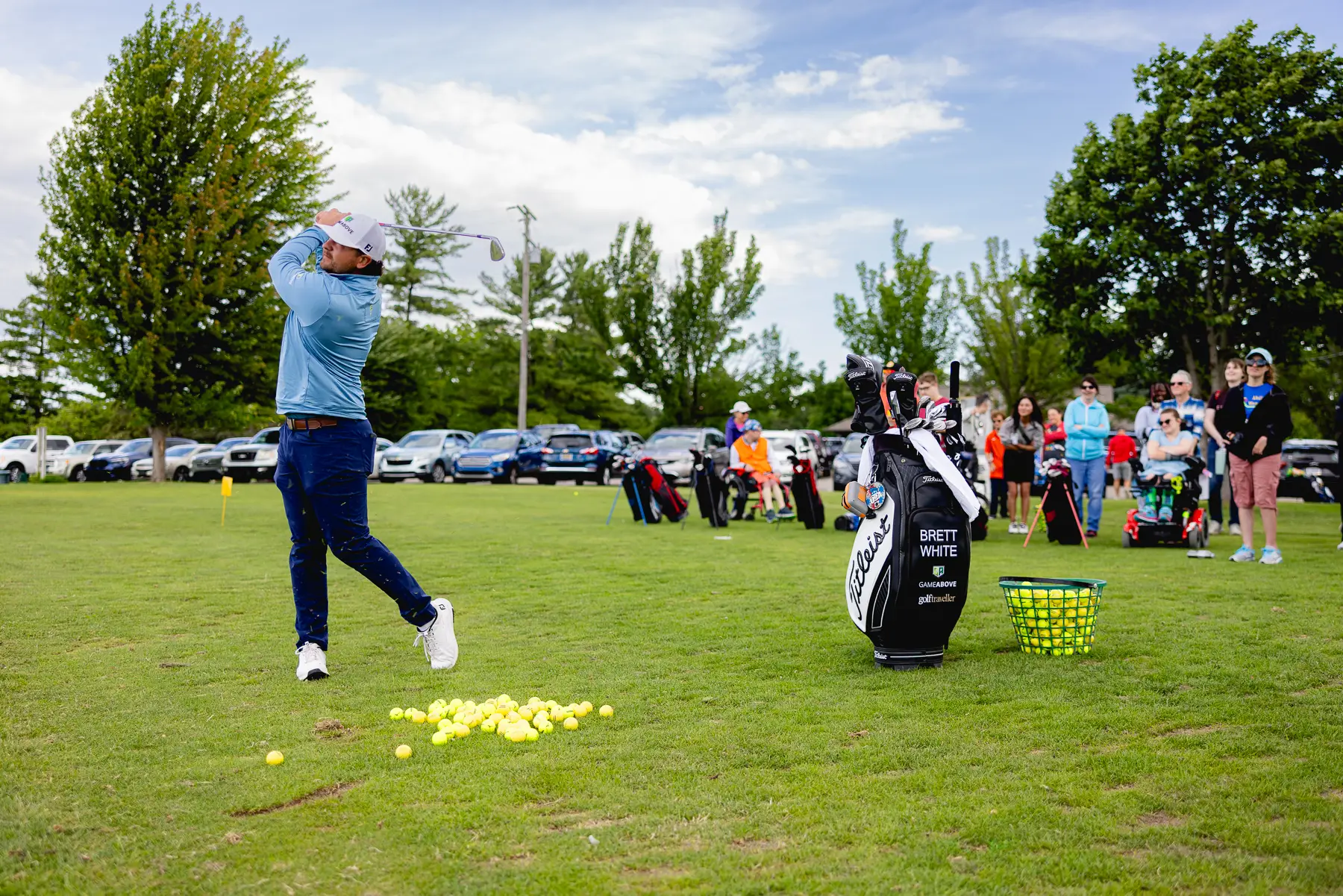
Brett White always dreamed of becoming a professional golfer.
At 24, he was just beginning his career when everything changed. While traveling to compete in the 2016 New Hampshire Open Championship, Brett developed infectious mononucleosis (“mono”), which led to viral encephalitis—a rare complication that caused swelling in his brain. Viral encephalitis can result in an acquired brain injury.
After receiving emergency care in Grand Rapids, Michigan, Brett prepared for the next phase of his recovery journey. He transferred to the Adult Inpatient Brain Injury Rehabilitation Program at Mary Free Bed.
At Mary Free Bed, inpatient rehabilitation helps people return to the activities they love using a multidisciplinary approach to care. For the next 10 days, Brett worked alongside his rehabilitation team with one goal in mind: getting back on the golf course.
What is Viral Encephalitis? Symptoms, Causes and Recovery
Viral encephalitis occurs when viruses or bacterial infections mistakenly attack the brain. Initial symptoms can mimic the flu, including:
- Feeling fatigued
- Muscle aches
- Headache
- Fever
- Confusion
- Balance problems
- Seizures (in severe cases)
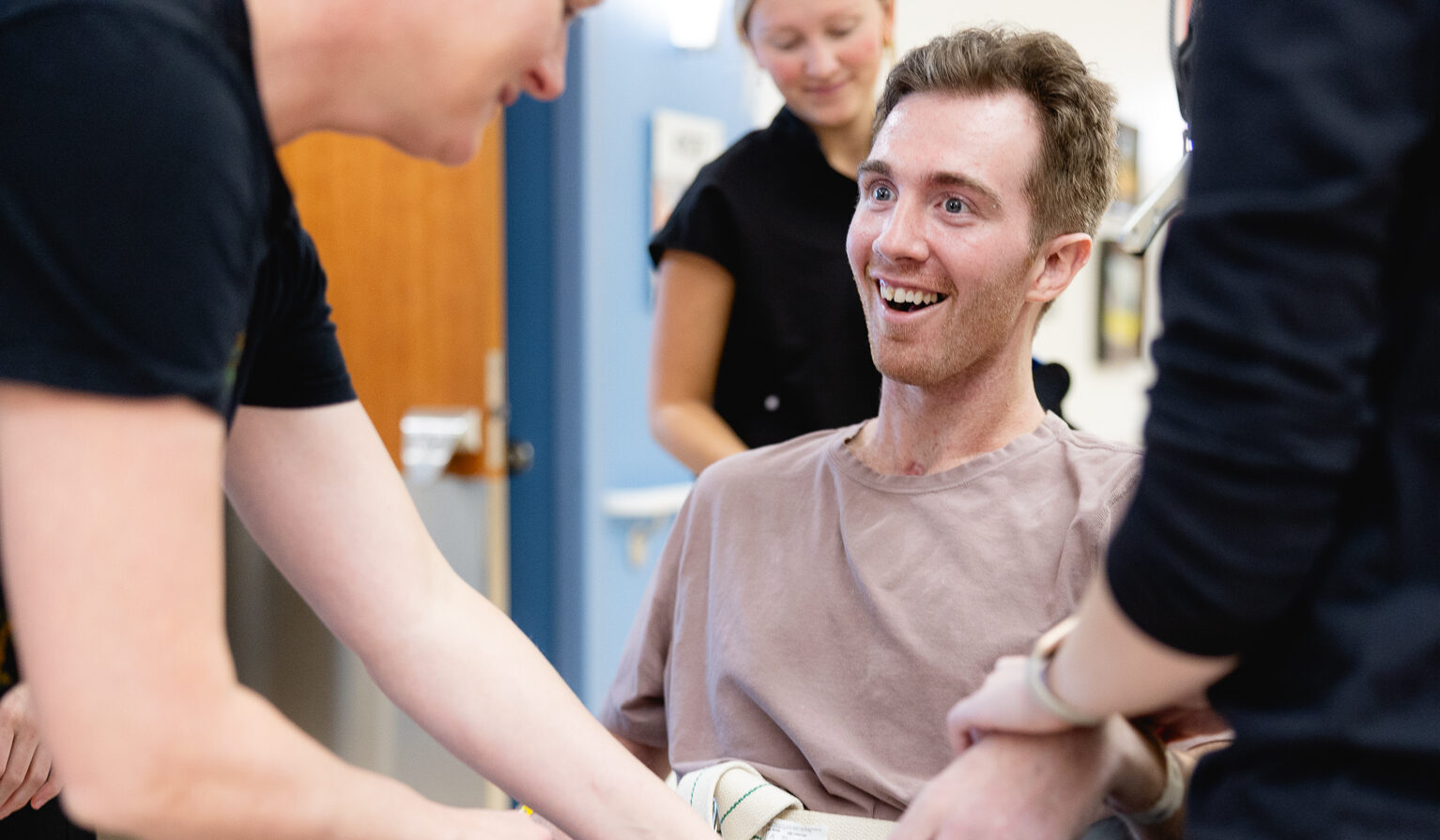
When Brett came to Mary Free Bed, he was struggling to walk. His speech was slurred. He was experiencing dizzy spells. He had to relearn the things that were once instinctual, like getting dressed in the morning and swinging a golf club.
As a professional athlete, Brett pushed himself daily to accomplish his goals. The same drive that powered his golf game powered his recovery.
“Doing sports as a kid, in college, and then professionally, it’s a very similar mindset of attacking every day and trying to get better,” Brett explained.
How Inpatient Rehabilitation Helps After Viral Encephalitis
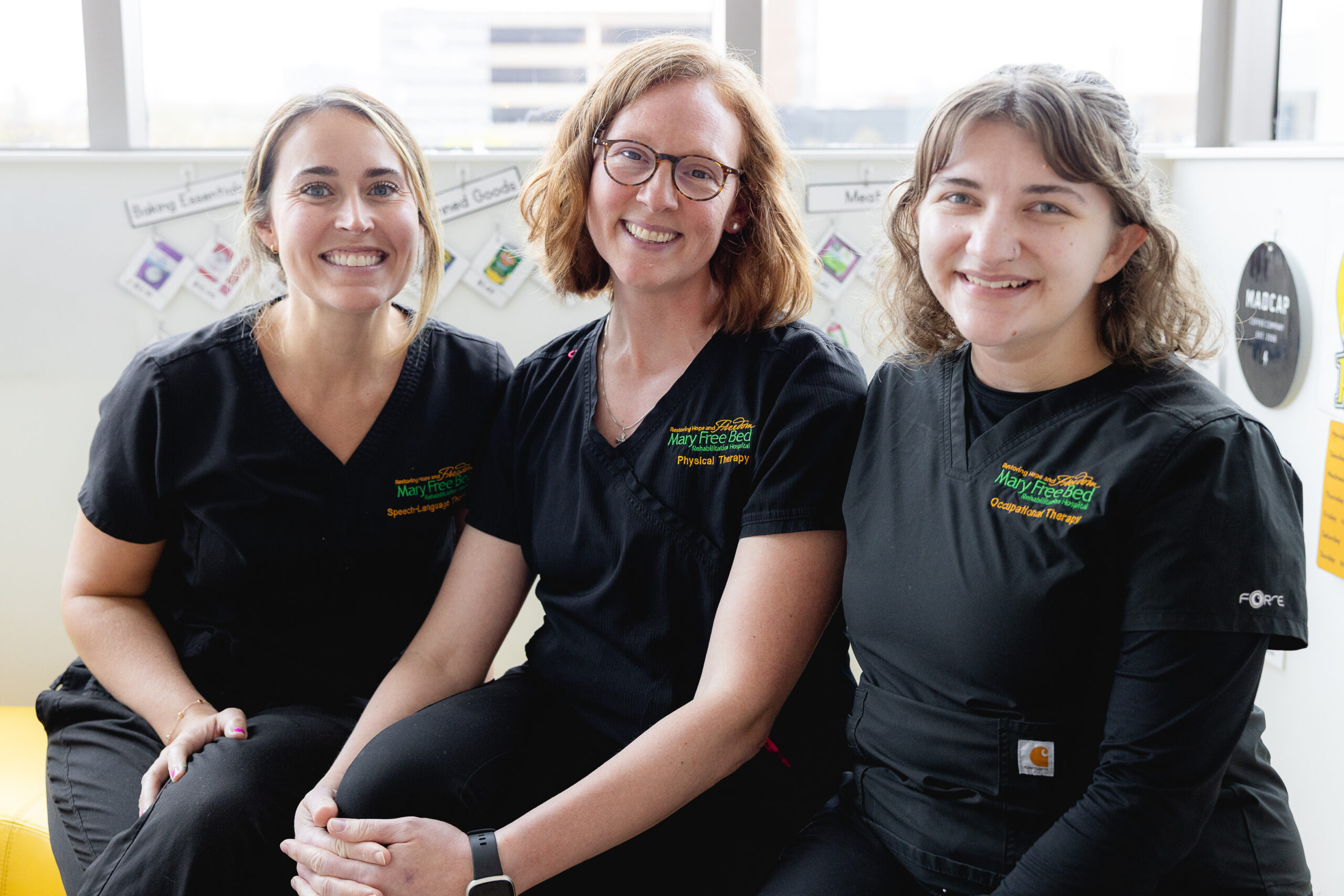
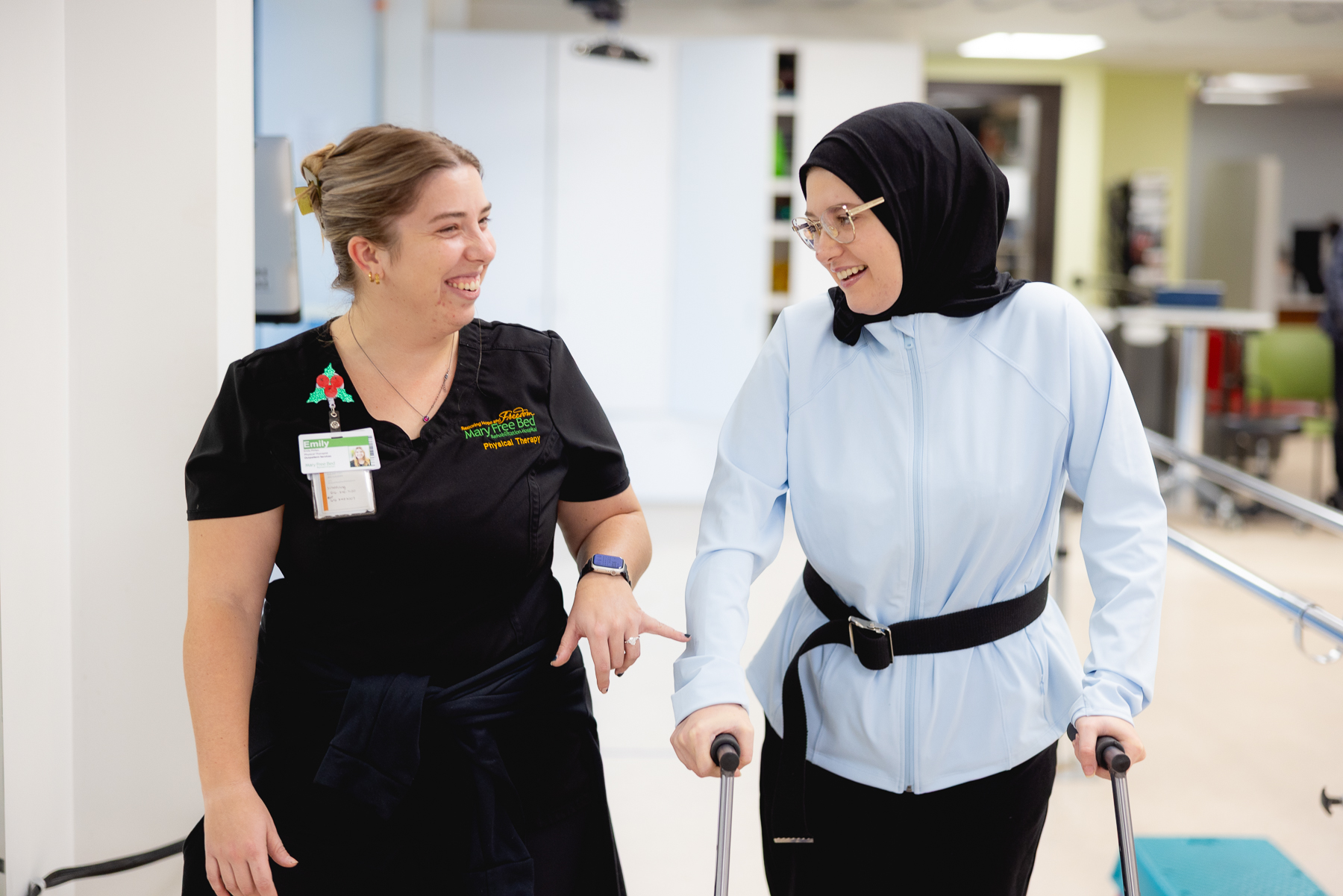
During inpatient rehabilitation, patients spend an average of three hours, five days a week, working on speech, occupational and physical therapy. Therapists work closely together to make sure their sessions align with patients’ specific goals, incorporating exercises from multiple disciplines into each session. Physical therapists can work on memory and recall during an exercise while occupational therapists can work on functional endurance.
The schedule reminded Brett of school. Every moment was regimented; from the moment he woke up until the final therapy session. But what sticks out the most to Brett when he thinks about his time in inpatient rehabilitation isn’t the schedule or his trips to the therapy gym, it’s the therapy team. “They listen to you. They want to know your goals and they really motivate you,” Brett remembered.
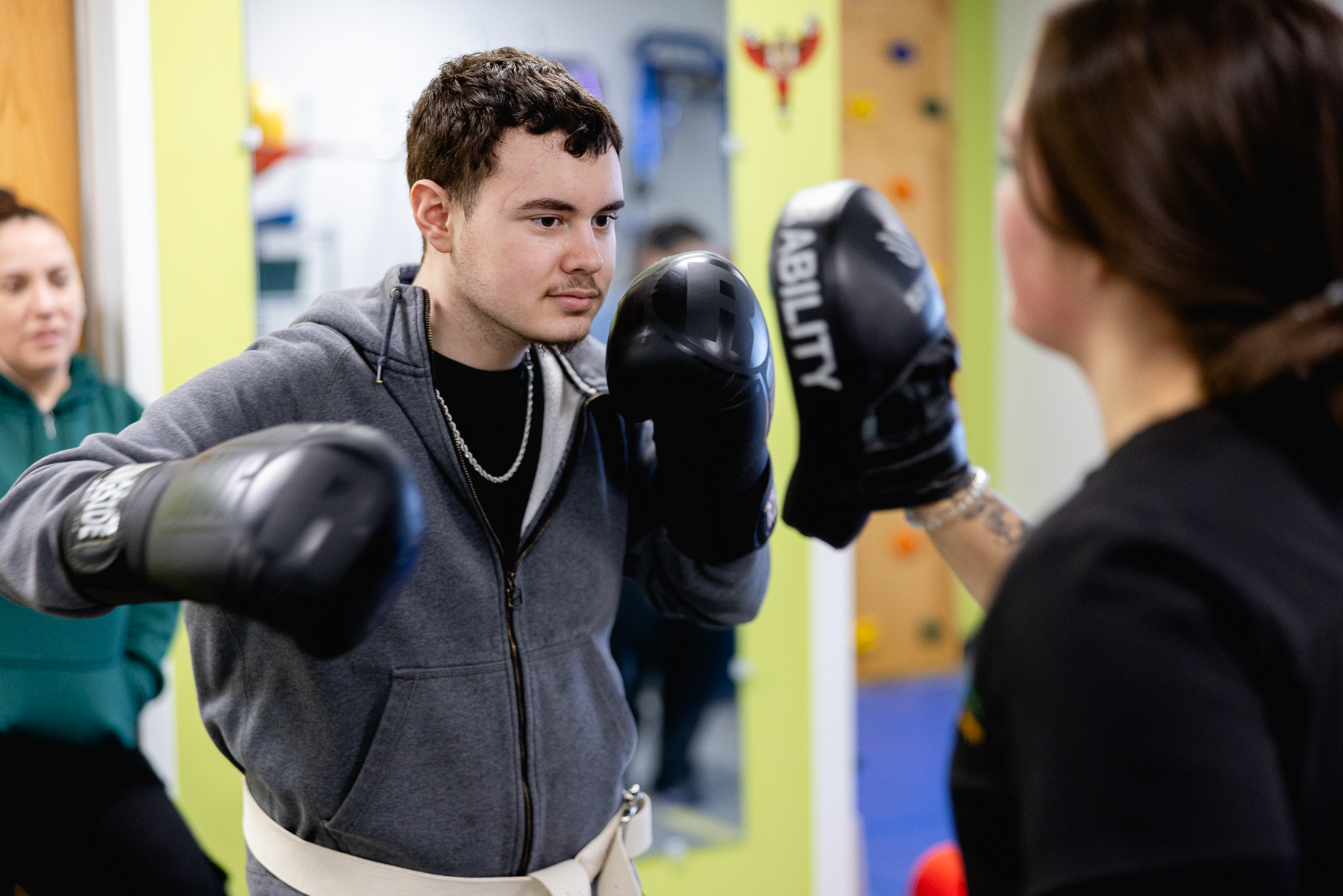
The Mary Free Bed Recreational Therapy Program helps patients incorporate their personal passions into their inpatient rehabilitation. From gardening to video games, recreational therapy provides a unique opportunity for patients to directly incorporate the activities they love into their customized therapy programs.
It’s no coincidence that the recreational therapy space is also equipped with a putting green.
Being able to practice physical, speech and occupational therapy through the sport he loves was a key part of Brett’s recovery.
Physical Therapy After Viral Encephalitis: Regaining Balance and Mobility
During rehabilitation for viral encephalitis, physical therapy focuses on restoring function–starting with standing before progressing to walking and other higher-level activities. When Brett came to Mary Free Bed, he was ataxic.
Ataxia is a neurological condition characterized by poor muscle control. It impacts balance and coordination, resulting in clumsy movements. Ataxia can also impact speech, swallowing and eye movements.
Throughout his rehabilitation journey, Brett worked with Mary Free Bed physical therapist Kristin Nichloff to rebuild his sense of balance and coordination. In 2017, Brett was one of Kristin’s first patients. “He was super motivated to get better and keep pushing through,” Kristin recalled.
The brain is incredibly resilient. After a brain injury, the brain can rewire its neural pathways around damaged tissue. This is called neuroplasticity and Kristin used it to her advantage.
She tailored Brett’s physical therapy sessions to address the skills he would need to navigate the golf course. Brett’s therapy goals included:
- Walking on uneven ground
- Moving side to side
- Chipping and putting
- Taking a full drive
Brett and his therapy team looked beyond balance and coordination, focusing on the proprioceptive and vestibular nervous system.
Training for the Game Ahead: Recalibrating the Nervous System
The proprioceptive nervous system helps our bodies know where they are in space. Think of it like the body’s built-in backup camera. The vestibular system sits tucked inside the inner ear, creating our sense of balance. For someone like Brett, who spends his days navigating uneven terrain, recalibrating these nervous systems was a key part of his recovery. So, Kristin fine-tuned his treatment plan to focus on the inner ear.
“With golfers, we need to be more sport-specific, starting with what’s easiest,” Kristin remembered. She started working on gait training with Brett, using rocker boards to imitate uneven ground. From there, they moved on to the dynamic balance needed for putting.
Borrowing a set of golf clubs from the Recreational Therapy Department, Brett got back in the swing of things. His childhood golf coach, Scott Dowling, visited him while he was inpatient. Together, they set up a small putting green in the recreational therapy room. Brett decided to roll some putts. “That moment, I felt just a little bit back to my old self,” he said.
Keeping the Momentum with Outpatient Therapy
After spending 10 days undergoing inpatient rehabilitation, Brett returned home to continue his recovery.
“The transition home was definitely an adjustment,” Brett said. “I was in a much better place than when I came in, but I still had a long way to go.”
Like many people recovering from a brain injury, Brett experienced fatigue, decreased stamina and ongoing challenges with memory. But he was determined to keep making progress.
“I really committed to trying to get better every day,” Brett said.
In addition to continuing his physical therapy exercises, Brett worked on strengthening his speech and memory. One strategy he learned in therapy was writing things down to improve recall—something he continued using long after leaving the hospital.
Brett also continued outpatient therapy at the Mary Free Bed in Grand Rapids, where he reunited with his physical therapist, Kristin.
“I got to see him later, taking some of his first swings with a golf club,” Kristin said. “That was really special—not just seeing him in a hospital room or walking the hallways, but watching him return to something he loved.”
Over the next three months, Brett built on the progress he made during inpatient rehabilitation. As his strength returned, so did his confidence.
Brett White Makes More Than a Comeback
Brett took a full year away from competitive golf.
When he returned to tournament play in 2018, he chose to leave expectations behind. Instead of focusing on his score, he focused on something bigger: getting back on the course.
“Golf is the game you can’t perfect,” Brett said. “Every round is different.”
Brett pushed through the fatigue, realizing even though his stamina had changed, his love for the game remained the same.
“I was extremely happy I was able to get through it,” Brett said. “It was exciting getting back out there.”
Two years after his rehabilitation at Mary Free Bed, Brett achieved something many thought impossible. He won the Nevada Open.
His recovery wasn’t just about returning to golf. It was about proving to himself that he could compete again.
Playing with Perspective: Life on Tour
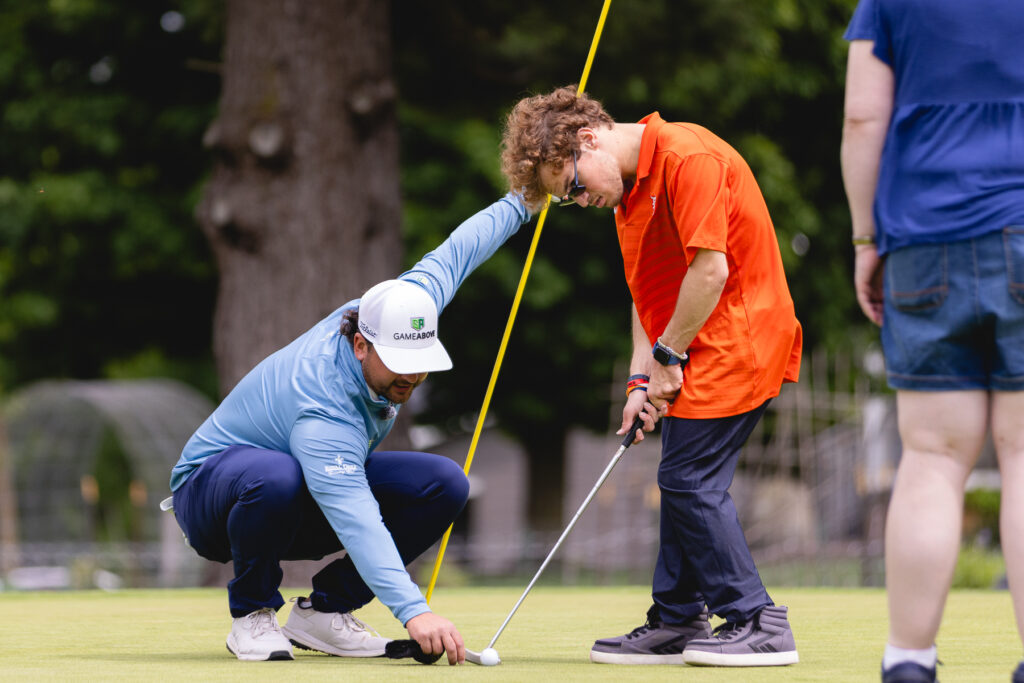
Now 33, Brett is back doing what he always dreamed of: playing professional golf.
Last year, he earned his first PGA-sanctioned victory. It’s a milestone he had been working toward his entire career.
Brett lives in Houston, Texas, with his wife, Natalie, and their daughter, Nellie. As a professional golfer, he spends most of his time on the road traveling between tournaments. It’s demanding work, but Brett wouldn’t have it any other way.
“It’s a full-time job,” he said. “But I wouldn’t want to be doing anything else.”
Playing it Forward: Brett Gives Back After Recovery
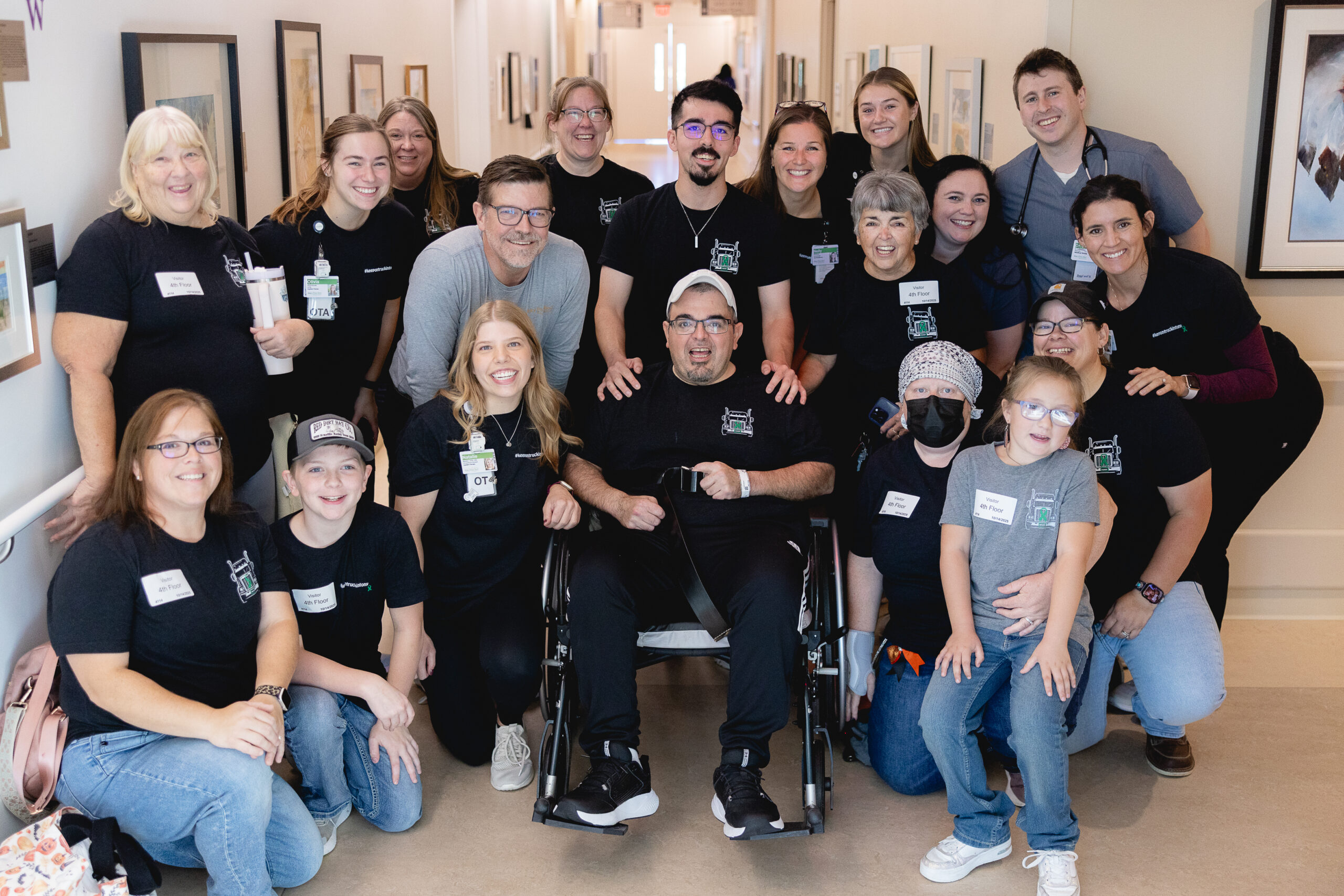
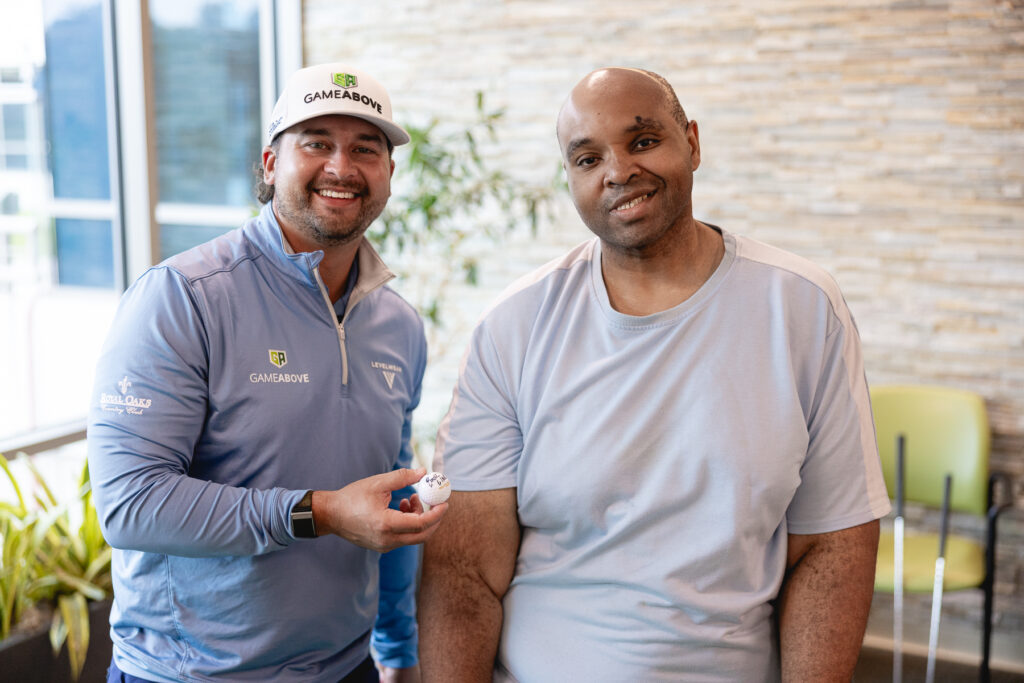
Eight years after his rehabilitation, Brett returned to Mary Free Bed Rehabilitation Hospital in Grand Rapids to reconnect with the team that helped him recover and to encourage patients who are on their own journeys.
Looking back, he describes his return as “humbling.” His advice is simple:
“It doesn’t have to be golf. Find something you love and make it part of your rehabilitation. Having something that keeps you engaged and moving forward can make all the difference.”
For Brett, long-term recovery after brain injury wasn’t just about getting back on the golf course. It was about returning to the life he loves. Today, he hopes his story reminds others that recovery is built one step, one swing and one goal at a time.
Brain Injury Rehabilitation After Viral Encephalitis
Viral encephalitis is an infection that causes inflammation in the brain. In some cases, that inflammation can damage brain tissue and result in a brain injury. Depending on a person’s symptoms, rehabilitation may help improve movement, balance, speech, memory, thinking and other everyday skills. The Mary Free Bed Adult Inpatient Brain Injury Rehabilitation Program provides comprehensive, personalized inpatient care for a variety of neurologic conditions including traumatic brain injury, viral encephalitis, anoxic brain injury and tumors.
No two brain injuries are alike. Recovery looks different for everyone; consistent early therapy helps build the foundation to regain independence. After a brain injury, some people return to their usual routines quickly, while others benefit from ongoing therapy to rebuild strength, restore communication, improve cognitive function and regain independence. At Mary Free Bed, every rehabilitation plan is personalized to help each patient achieve the goals that matter most to them. For more information, or to schedule care, visit Brain Injury Rehabilitation: Expert Care for Recovery.