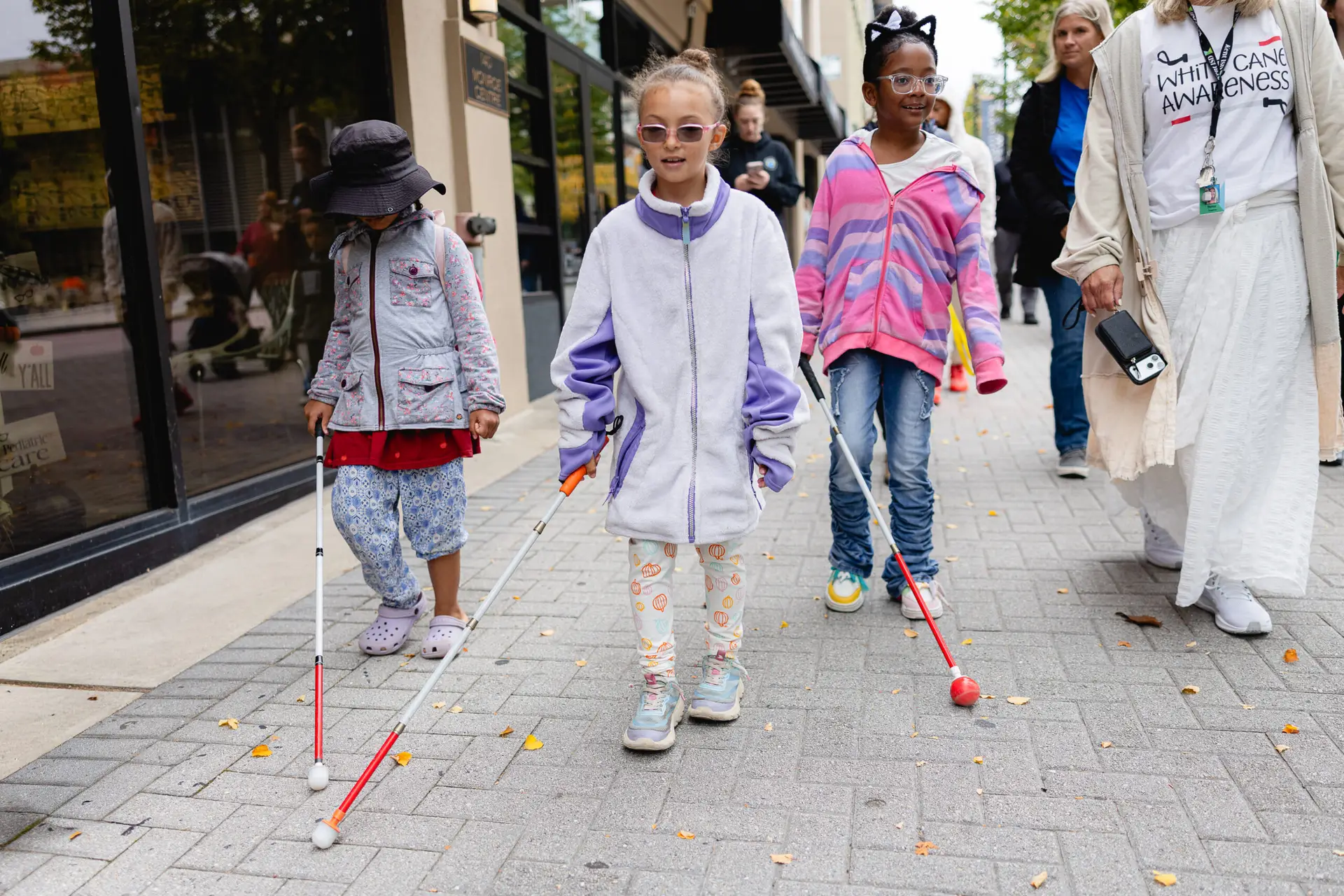
Community members, advocates and local leaders gathered in downtown Grand Rapids on Oct. 15 for the annual White Cane Awareness Walk hosted by the Association for the Blind & Visually Impaired of Michigan (ABVI), celebrating the independence and achievements of individuals who are blind or have low vision.
Held in recognition of White Cane Awareness Day, the event brought together people who are blind or have low vision, family members, advocates, community leaders and supporters to celebrate independence and raise awareness about accessibility.
The awareness day acknowledges the white cane as more than a mobility tool. For many people, it represents confidence, safety, freedom and the ability to navigate the world independently.

“Today is about more than recognizing the white cane. It’s about recognizing the independence, confidence and freedom of people who are blind and visually impaired,” said Josh Thomas of the Association for the Blind & Visually Impaired. “The white cane is an essential tool to help individuals navigate their communities safely and independently while also serving as an important reminder to the public to be aware, respectful and inclusive.”
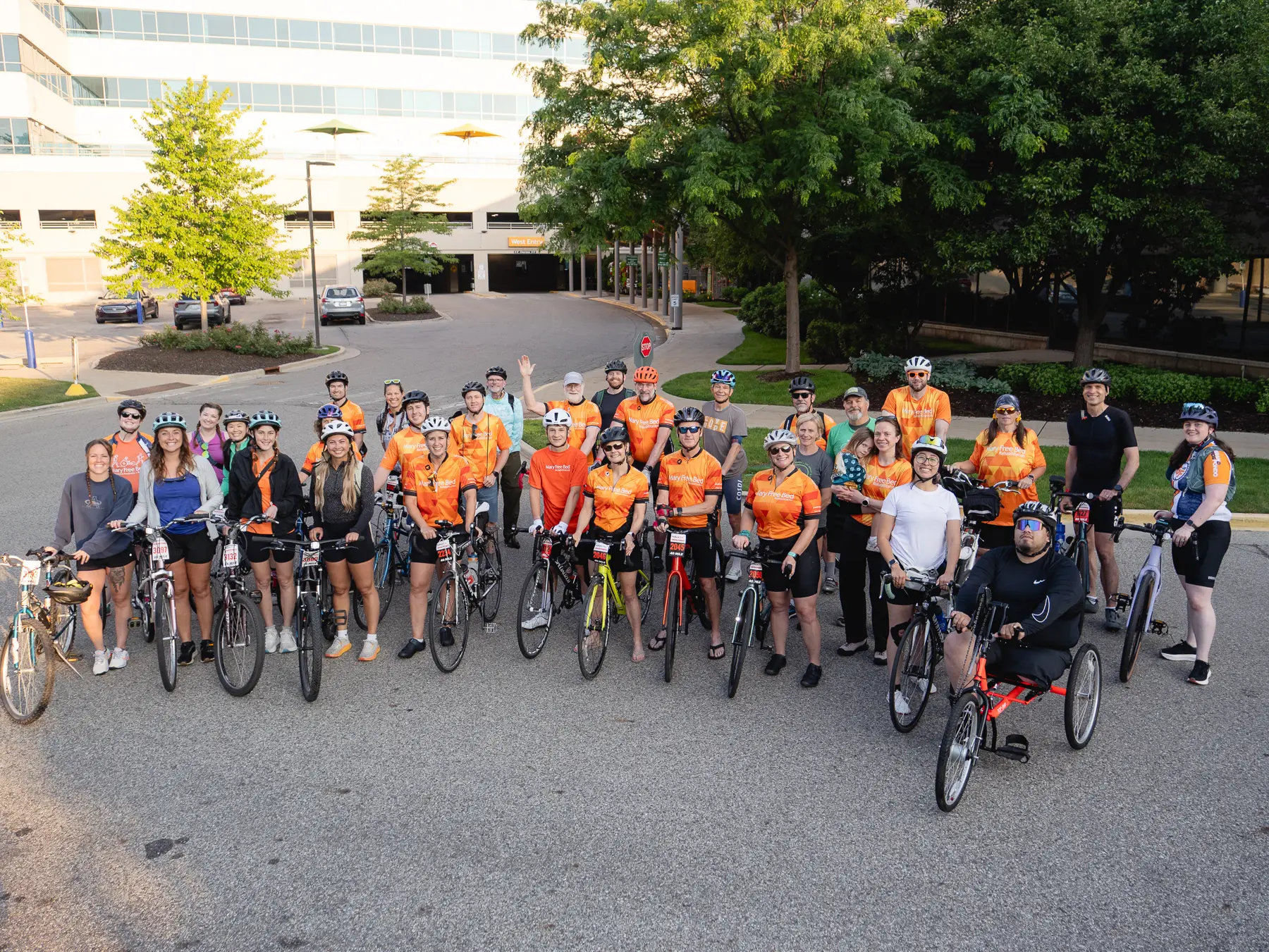
Dozens of participants gathered at Calder Plaza before walking through downtown Grand Rapids. The event also featured remarks from Grand Rapids Mayor David LaGrand, who issued a proclamation recognizing Oct. 15, 2026, as White Cane Awareness Day in the city.
In his proclamation, Mayor LaGrand recognized the white cane as a symbol of independence, mobility and opportunity, noting the important role rehabilitation services, orientation and mobility training, assistive technology and daily living skills instruction play in helping individuals adapt to vision loss and maintain independence.
The proclamation also highlighted the importance of creating accessible and inclusive communities where individuals who are blind or visually impaired can fully participate in education, employment and community life.
The mayor further recognized ABVI’s more than 100 years of service to West Michigan. Founded in 1913 by Roberta Griffith, the organization provides vision rehabilitation, employment support and assistive technology training to empower people living with blindness or low vision to lead independent and fulfilling lives.
“It is fitting that we recognize the achievements, contributions and aspirations of people who are blind or visually impaired, while reaffirming our shared commitment to creating a community where independence, accessibility and opportunity are available to all,” the proclamation reads in part.
Residents were also encouraged to consider how they can help create a more inclusive community.
“As community members, we play an important role, whether that means yielding to pedestrians with a white cane, keeping sidewalks and walkways accessible or simply taking a moment to better understand the experiences of people with vision loss,” Josh said.
“Small actions can make a meaningful difference. Today, we celebrate independence, promote awareness and reaffirm our commitment to building a community where everyone can travel safely and participate fully.”
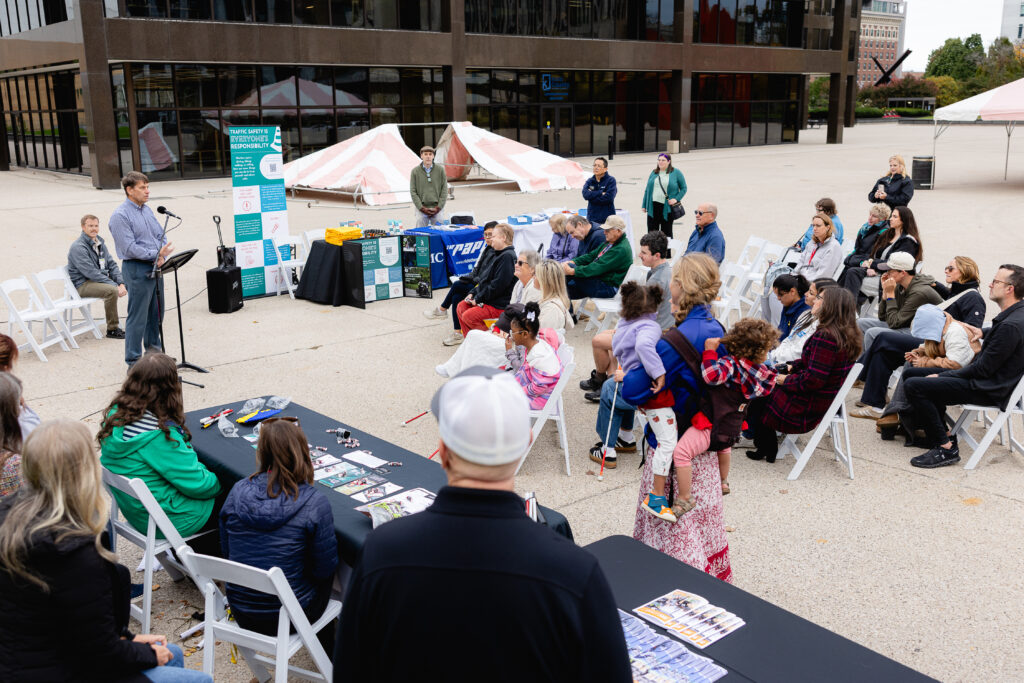
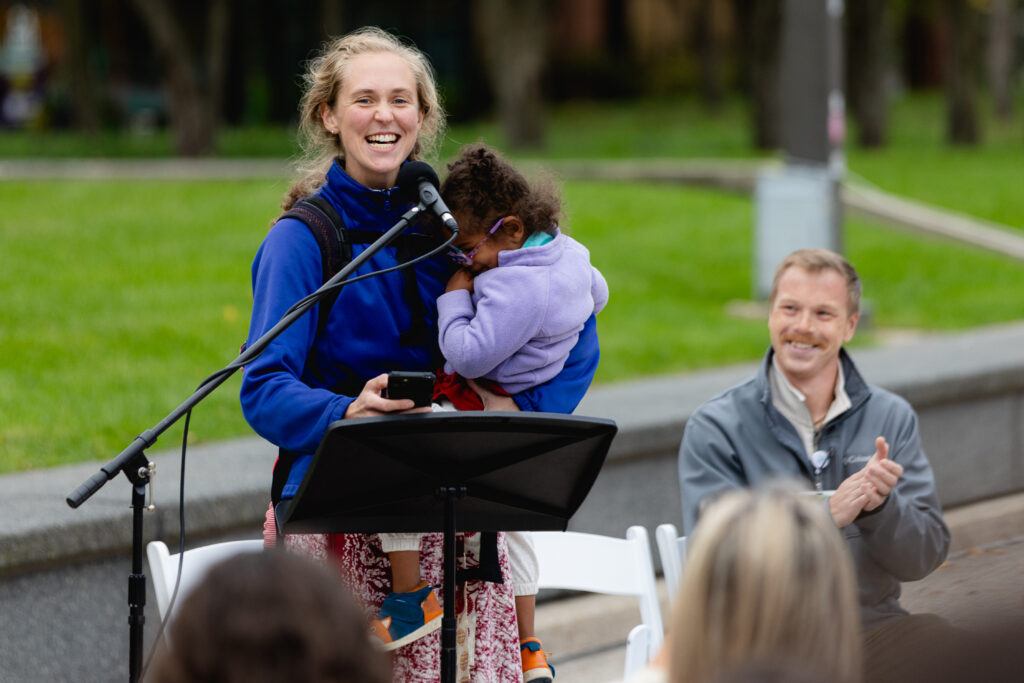
A highlight of the event was a moving reading from Abby Koroma, a spouse and mother of white cane users, who shared an “Ode to the Long White Cane” and reflected on the impact the cane has on her family’s life.
Ode to the Long White Cane
Dear long white cane, today we gather in glorious downtown Grand Rapids to honor and celebrate you.
Humble tube of fiberglass, aluminum, or graphite, you add music to our lives as you go before us through the world. The high-pitched ping of a metal garbage can, the comforting thunk of a curb to say that we’ve completed a street crossing, the hollow echo when you encounter a door in a building line, the low rumble of a detectable warning before a street.
Though you do not talk, you communicate many things to us. A grass line ending, the feet of the person in front of us in line, a pothole that otherwise would have swallowed a foothold.
You can be tricky, like the way you like to effortlessly drop between the slats of a storm drain every chance you get, but despite your sense of humor, we know you’ll be there, rain, snow or shine, ungrudgingly willing to lead the way.
The way to our classes, the way to our first dates, to the bus stop, our job interviews, our places of worship and picnics and playdates, and the places we call home.
We thank you, humble and loyal cane, not blind stick, for your tireless companionship and feedback. Be you rigid, folding or even telescopic, you bring independence and safety to my family, and for that, I could not be more grateful.
Thank you.
White Cane Awareness Day serves as both a celebration of independence and a reminder that accessible, inclusive communities benefit everyone. Together, community members, advocates and leaders continue to advance awareness, opportunity and independence for people who are blind or have low vision.
To learn more about the Association for the Blind & Visually Impaired of Michigan, visit abvimi.org.